Tell us about the job
Takes about a minute. No obligation.
A furnace repair in Pulaski County starts with what the system has been through inside the house, not outside it. 30 severe weather events were recorded in Pulaski County, Indiana between 2015 and 2024. At that rate, severe weather here is an event, not a standing condition, so a contractor cannot point to storm load to account for a cracked heat exchanger or a failed inducer motor. The more useful questions are how old the unit is, whether the original install was sized and sealed correctly, and how consistently it has been serviced. Those three factors explain the overwhelming majority of what contractors find when they open a furnace here.
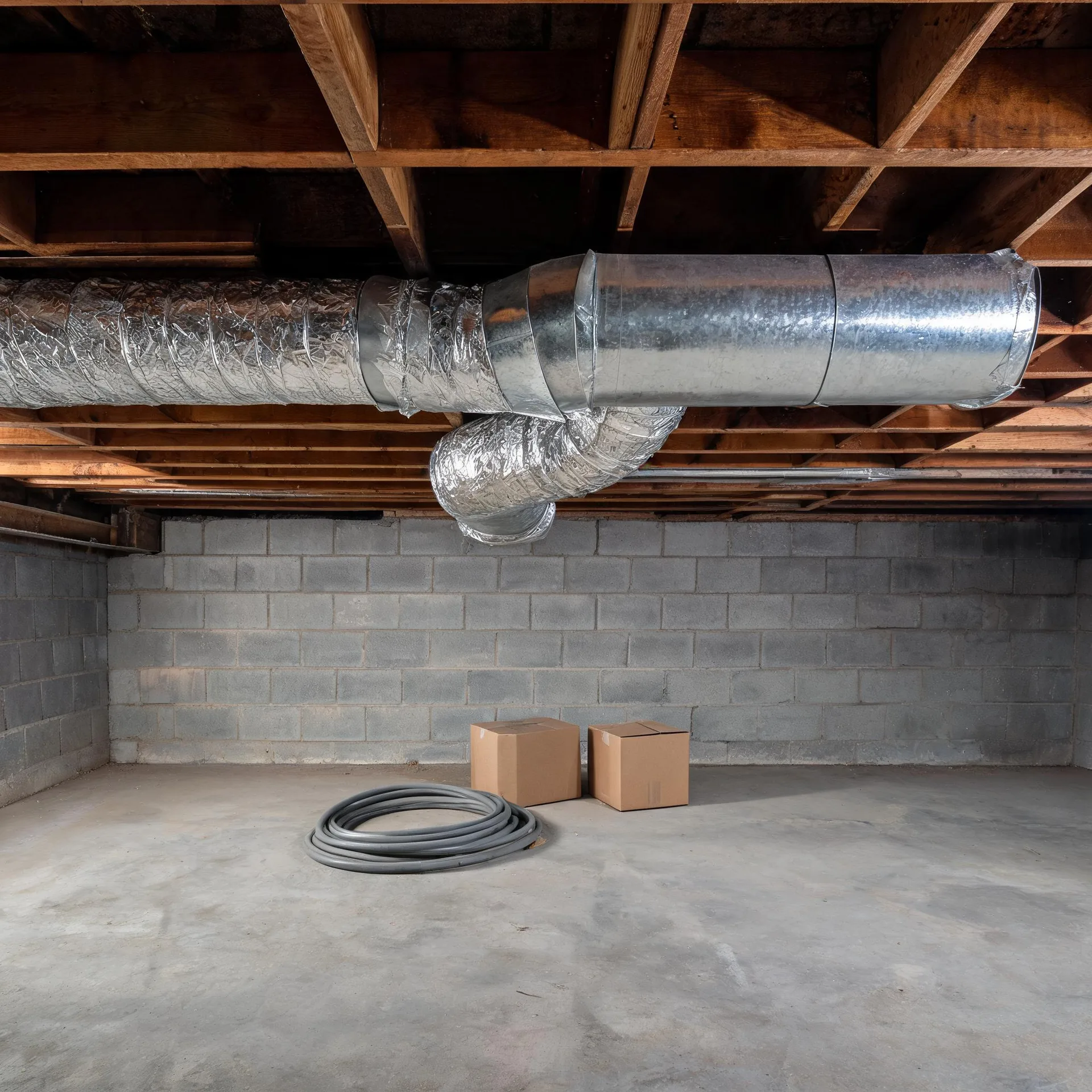
Half the homes in Pulaski County, Indiana were built in 1970 or earlier (2020-2024 ACS 5-year). A furnace that has been running in a house of that vintage has likely been serviced, patched, or partially replaced more than once, and the internals a contractor finds when the unit comes open can differ substantially from what the model number suggests. That matters for repair work specifically because parts availability follows what is actually inside, and a system carrying a mix of original and aftermarket components may need sourcing that takes longer than the initial diagnosis. The age of the housing sets the context, but it is the opened unit that sets the scope.
The Parts of a Furnace a Contractor Checks First
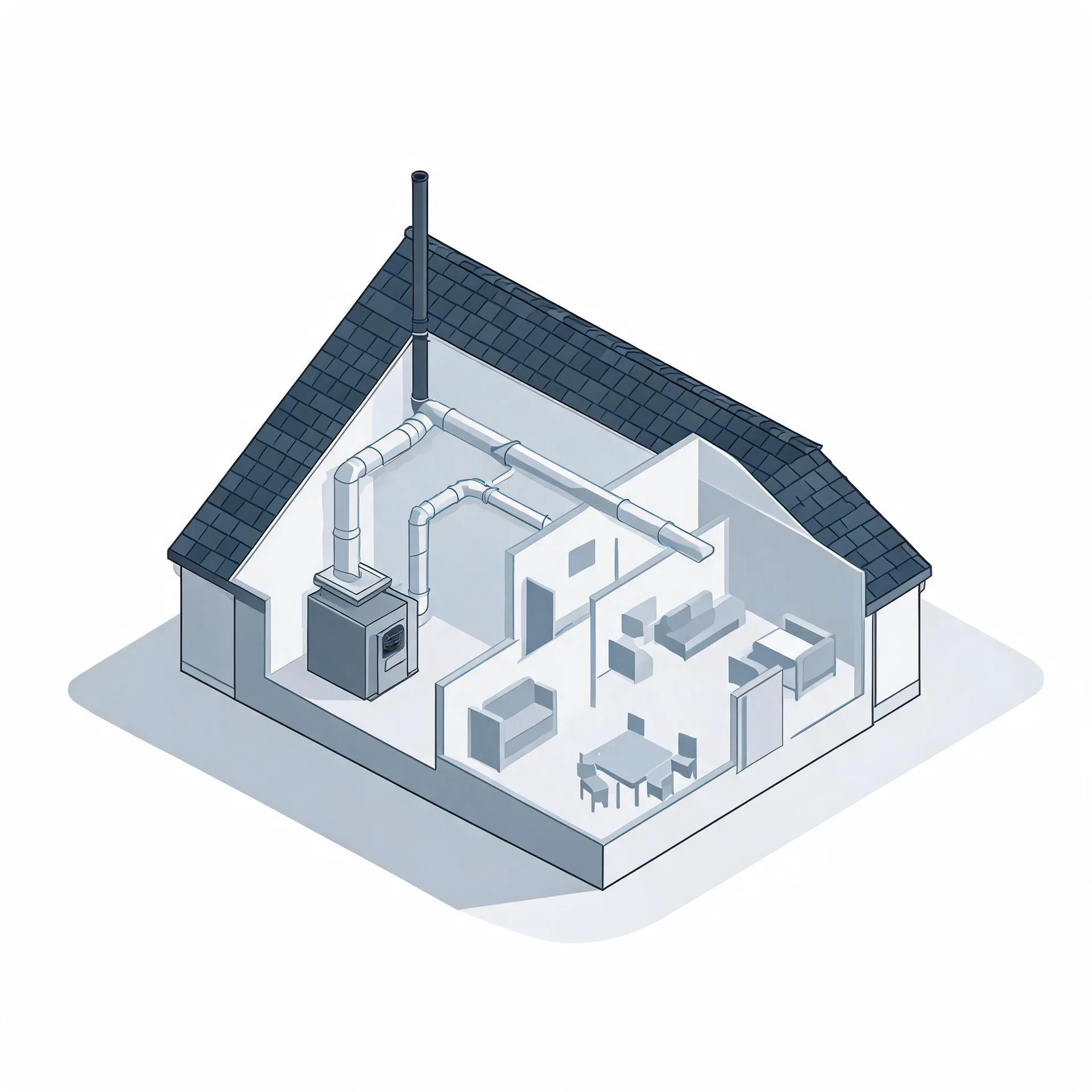
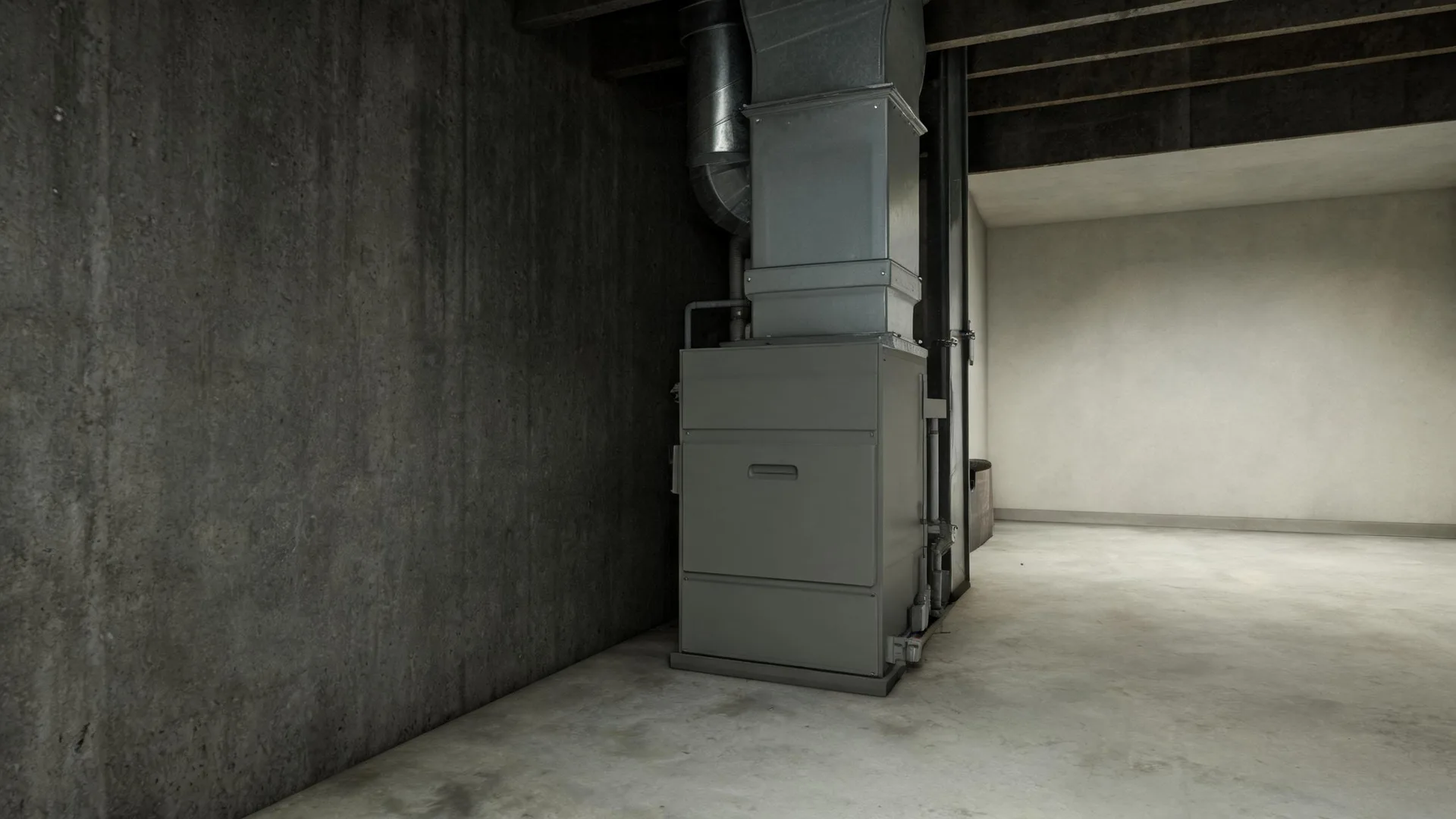
The furnace itself sits in the basement, utility room, or a dedicated mechanical closet, and its job is to produce heat on demand. Inside it, the heat exchanger is what a contractor looks at early when something has gone wrong, because cracks or corrosion there affect both performance and safety. The burners, which fire directly beneath the heat exchanger, are another first stop when the furnace is not igniting or is cycling off too quickly.
The blower motor and its fan wheel sit at the base of the furnace cabinet and push conditioned air out into the supply side of the system. The igniter and flame sensor work together at the burner assembly, and either one can cause a no-heat call when it fails. The flue or vent pipe runs from the top or back of the cabinet to the outside, and a contractor checks it for blockage or separation whenever combustion or drafting is suspect.
The drawing shows a general layout of these components, and a licensed contractor determines what applies to the specific equipment and configuration in your home.
Find a contractor in Pulaski CountyPulaski County, by the numbers
30 severe weather events were recorded in Pulaski County, Indiana between 2015 and 2024.
NOAA National Centers for Environmental Information, Storm Events Database, bulk CSV export, events 2015-01-01 through 2024-12-31.Half the homes in Pulaski County, Indiana were built in 1970 or earlier (2020-2024 ACS 5-year).
U.S. Census Bureau, 2020-2024 American Community Survey 5-Year EstimatesPulaski County, Indiana holds 5,850 housing units (2020-2024 ACS 5-year).
U.S. Census Bureau, 2020-2024 American Community Survey 5-Year EstimatesOwners occupy 74.6% of the occupied homes in Pulaski County, Indiana (2020-2024 ACS 5-year).
U.S. Census Bureau, 2020-2024 American Community Survey 5-Year EstimatesCodes & Standards Governing Furnace Repair in Pulaski County, Indiana4 sourced rules & standards
What HVAC Repair Looks Like in Pulaski County
Non-weatherized gas furnaces manufactured on or after November 19, 2015 must reach 80.0 percent AFUE.
Non-weatherized oil-fired furnaces manufactured on or after November 19, 2015 must reach 83.0 percent AFUE.
Mobile home gas furnaces manufactured on or after November 19, 2015 must reach 80.0 percent AFUE.
Non-weatherized gas furnaces manufactured on or after December 18, 2028 must reach 95.0 percent AFUE, up from the 80.0 percent minimum that applies to units manufactured before that date.
Severe Weather Events in Pulaski County
Pulaski County weather puts real stress on heating equipment, and that stress shows up as repair calls. A furnace that runs hard through difficult conditions wears faster, and knowing the local pattern is part of understanding why local service matters.
30 severe weather events, 2015–2024. Source: NOAA National Centers for Environmental Information, Storm Events Database.