Tell us about the job
Takes about a minute. No obligation.
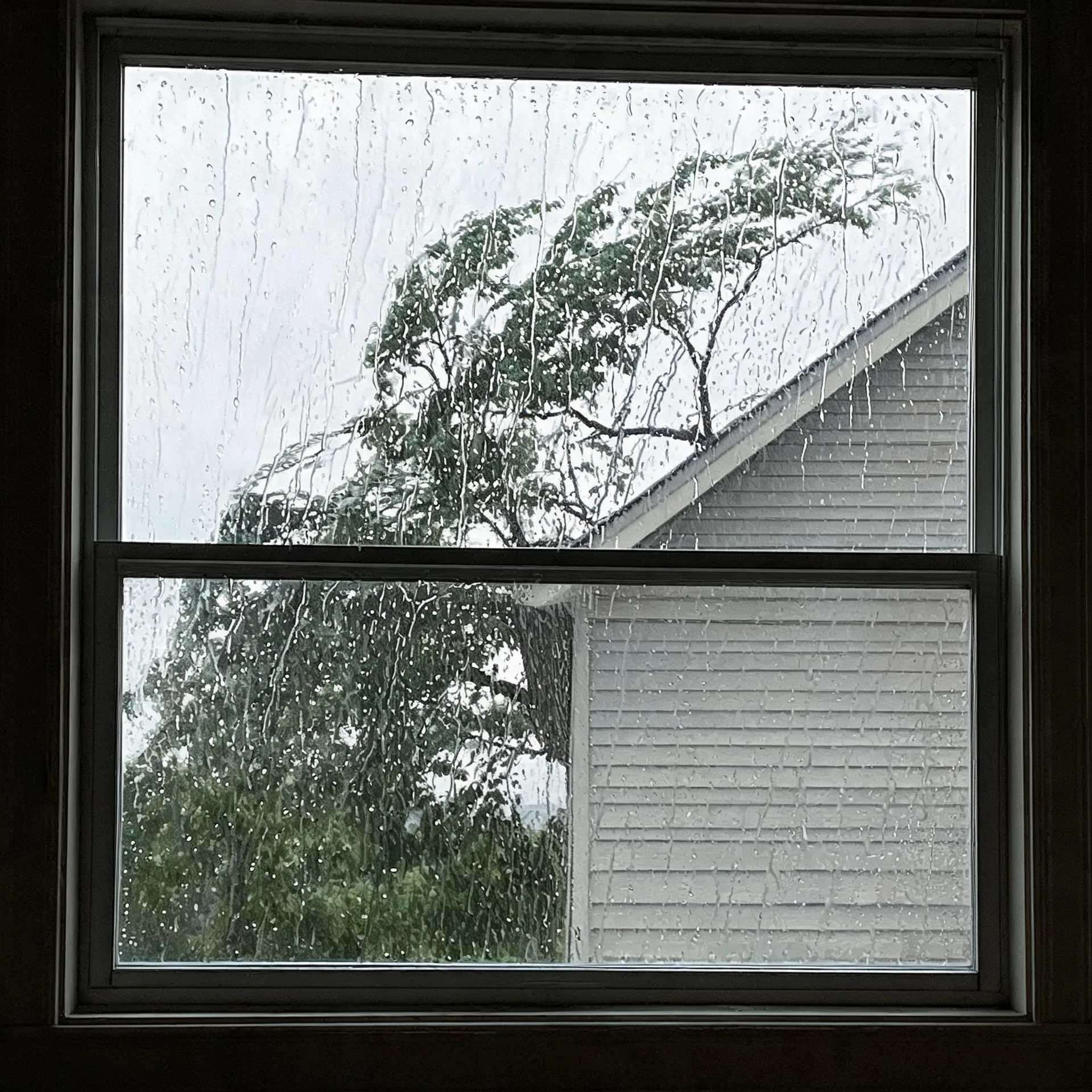
A furnace that stops working in Morgan County is almost always failing for reasons that were building long before any storm arrived. 75 severe weather events were recorded in Morgan County, Indiana between 2015 and 2024. At that rate, severe weather is a real but infrequent visitor, and a contractor diagnosing a furnace problem here will look first at heat exchanger fatigue, clogged burners, and worn ignition components before considering weather-related wear. Deferred maintenance and age account for most of what goes wrong with furnaces here.
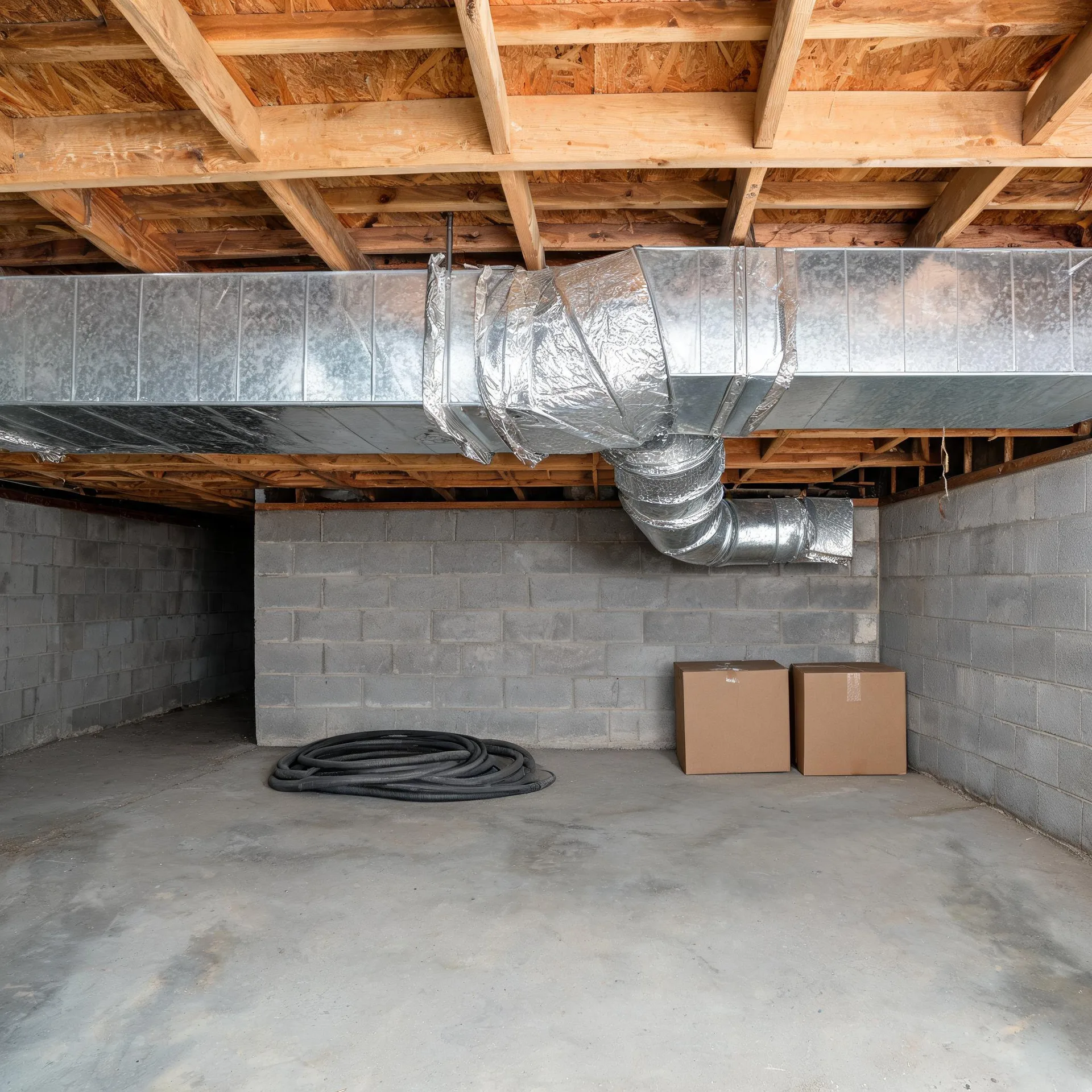
Ductwork in a house this old has outlasted at least one furnace, sometimes two, and the replacement units installed along the way were not always matched to what surrounded them. Half the homes in Morgan County, Indiana were built in 1981 or earlier (2020-2024 ACS 5-year). When a contractor opens a furnace here, the question that shapes the repair bill is whether the part the system needs is still being manufactured, or whether the line has been discontinued and sourcing it means delay and cost the quote did not anticipate. That is the variable repair work in stock like this turns on.
The Parts of a Furnace a Contractor Checks First

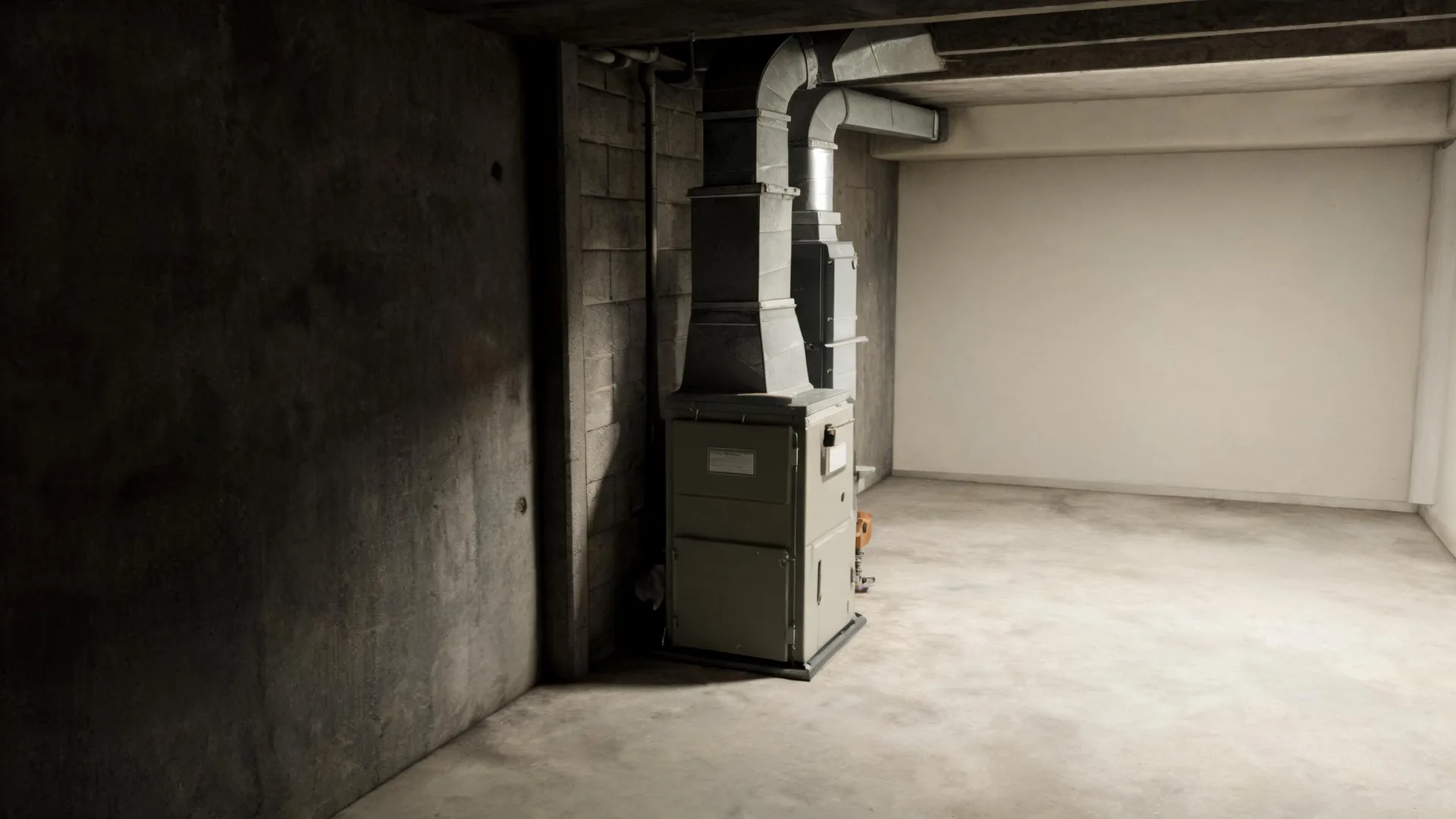
The furnace itself sits in the basement, utility room, or closet and is the piece that generates heat. Inside it, the heat exchanger is the part a contractor goes to early when something is wrong. A cracked or failing heat exchanger changes how the unit burns, and the burners that fire beneath it are checked right alongside it.
The blower motor pulls air across the heat exchanger and pushes it into the supply side of the house. It sits inside the furnace cabinet. The flue pipe runs from the unit up and out of the house, and a contractor checks it because a blocked or corroded flue affects combustion and venting. The filter housing sits at the air intake and a clogged filter can be the reason a call gets made at all.
The drawing shows the general layout of a furnace system, and a licensed contractor determines which parts apply to your specific house.
Find a contractor in Morgan CountyMorgan County, Indiana, by the numbers
75 severe weather events were recorded in Morgan County, Indiana between 2015 and 2024.
NOAA National Centers for Environmental Information, Storm Events Database, bulk CSV export, events 2015-01-01 through 2024-12-31.Half the homes in Morgan County, Indiana were built in 1981 or earlier (2020-2024 ACS 5-year).
U.S. Census Bureau, 2020-2024 American Community Survey 5-Year EstimatesMorgan County, Indiana holds 30,046 housing units (2020-2024 ACS 5-year).
U.S. Census Bureau, 2020-2024 American Community Survey 5-Year EstimatesOwners occupy 82.1% of the occupied homes in Morgan County, Indiana (2020-2024 ACS 5-year).
U.S. Census Bureau, 2020-2024 American Community Survey 5-Year EstimatesCodes & Standards Behind Furnace Repair in Morgan County, Indiana4 sourced rules & standards
What HVAC Repair Looks Like in Morgan County
Non-weatherized gas furnaces manufactured on or after November 19, 2015 must reach 80.0 percent AFUE.
Non-weatherized oil-fired furnaces manufactured on or after November 19, 2015 must reach 83.0 percent AFUE.
Mobile home gas furnaces manufactured on or after November 19, 2015 must reach 80.0 percent AFUE.
Non-weatherized gas furnaces manufactured on or after December 18, 2028 must reach 95.0 percent AFUE, up from the 80.0 percent minimum that applies to units manufactured before that date.
Severe Weather Events in Morgan County
Extreme weather puts real stress on heating equipment, cycling furnaces hard through cold snaps and pressure swings that wear components faster than moderate climates do. How much of that load Morgan County carries is a local fact, and it shapes what repair and maintenance work looks like here.
75 severe weather events, 2015–2024. Source: NOAA National Centers for Environmental Information, Storm Events Database.