Tell us about the job
Takes about a minute. No obligation.
A furnace repair in Grant County starts with a question a contractor has to settle before they can price the job: how much of what failed is wear from ordinary use, and how much reflects what this climate has asked of the system over the years. 77 severe weather events were recorded in Grant County, Indiana between 2015 and 2024. At that rate, severe weather is part of the operating environment here, not a rarity, but it also falls short of the kind of relentless load that would make it the likely culprit when a heat exchanger cracks or a blower motor burns out. A contractor working a repair here checks the age of the unit, whether it was sized and installed correctly, and whether it has been serviced, because those factors account for most of what gives out in furnaces across this county.
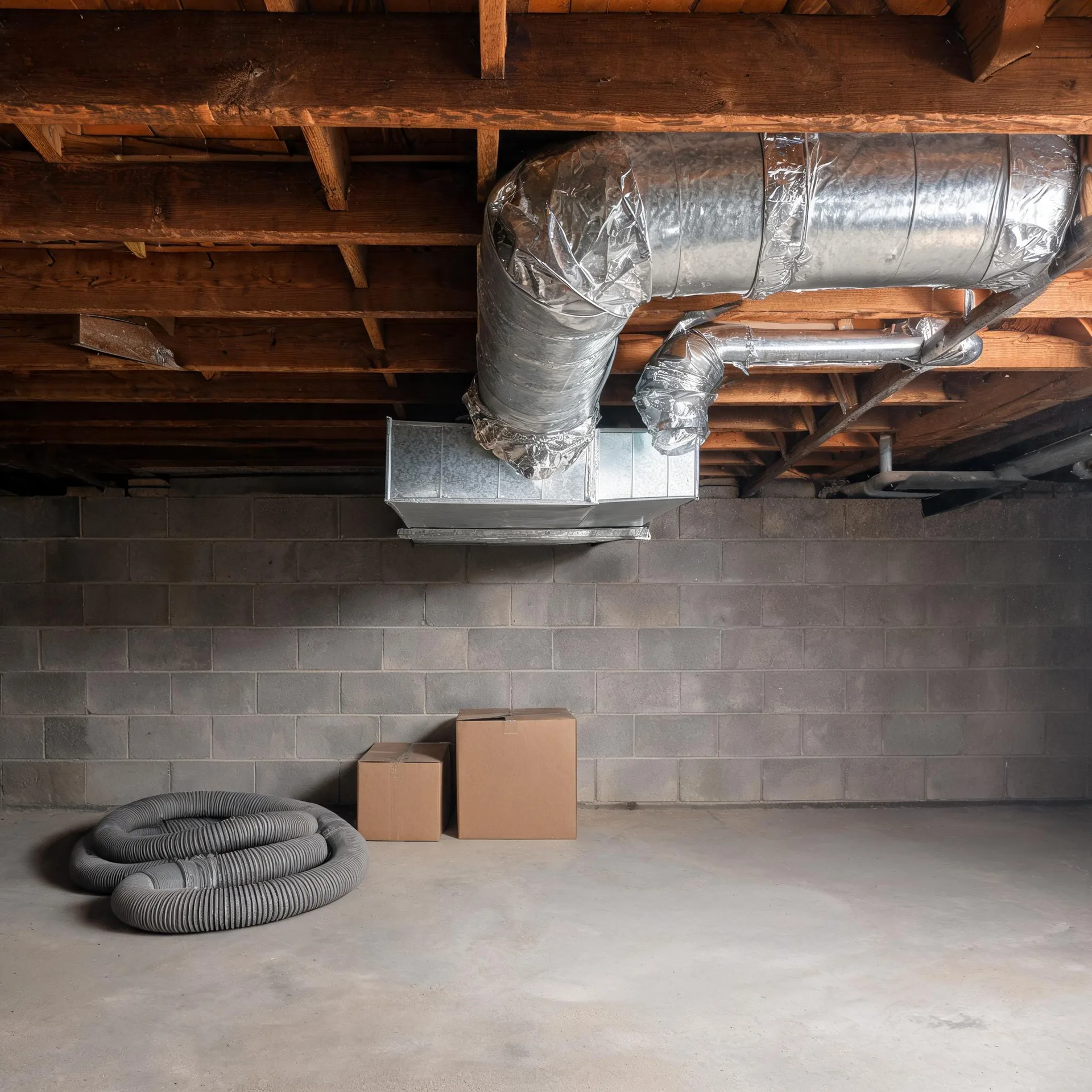
Furnaces in older housing stock were installed into houses that have since outlasted multiple rounds of equipment. Half the homes in Grant County, Indiana were built in 1963 or earlier (2020-2024 ACS 5-year). A furnace running in a house that age has likely been replaced at least once, but the replacement was sized and sourced years ago, and the parts a contractor needs to open and repair it may no longer be in regular production. When a part is discontinued, the repair either waits on a specialty supplier or becomes a replacement job by default, which changes the bill and the timeline before the contractor has quoted anything.
The Parts of a Furnace a Contractor Checks First
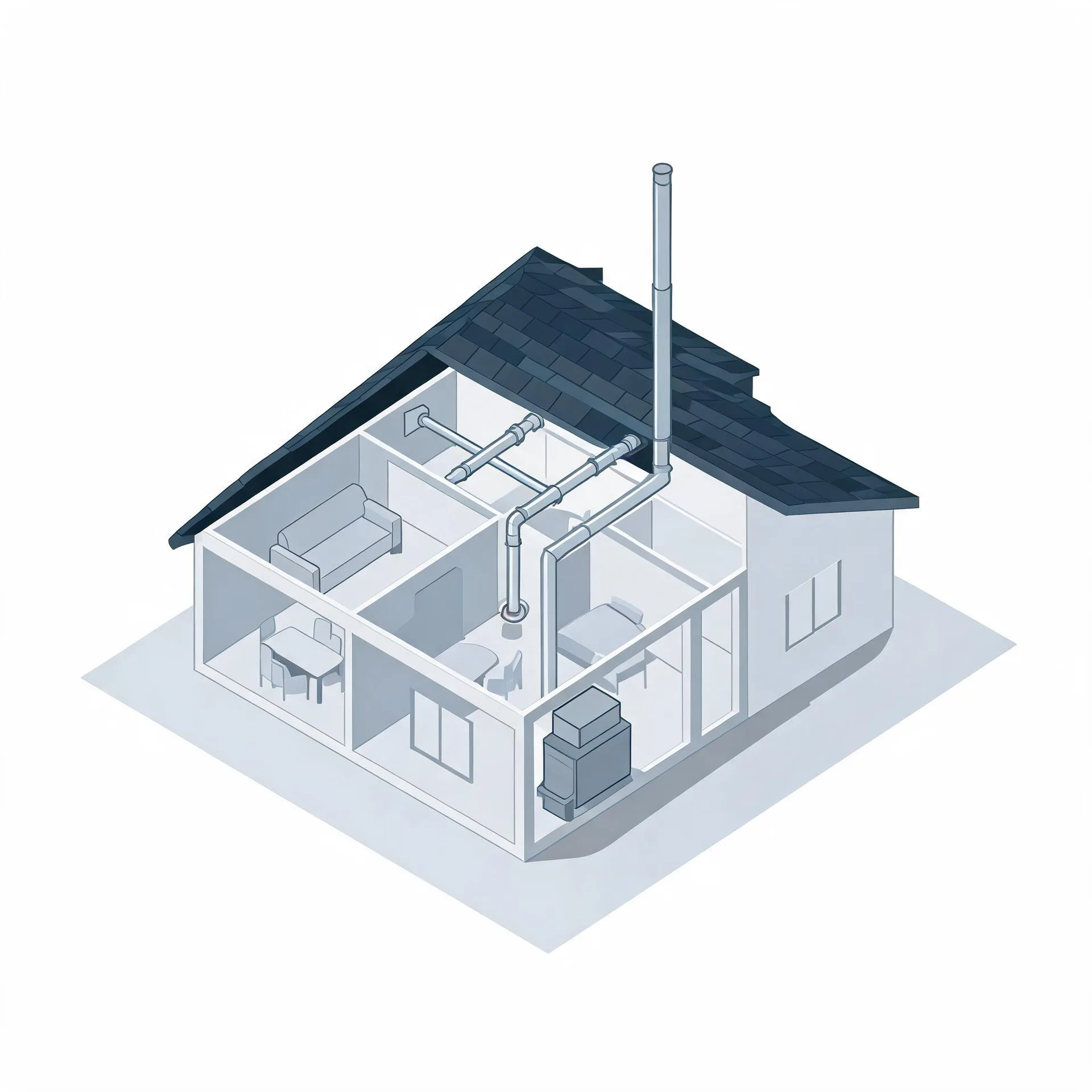
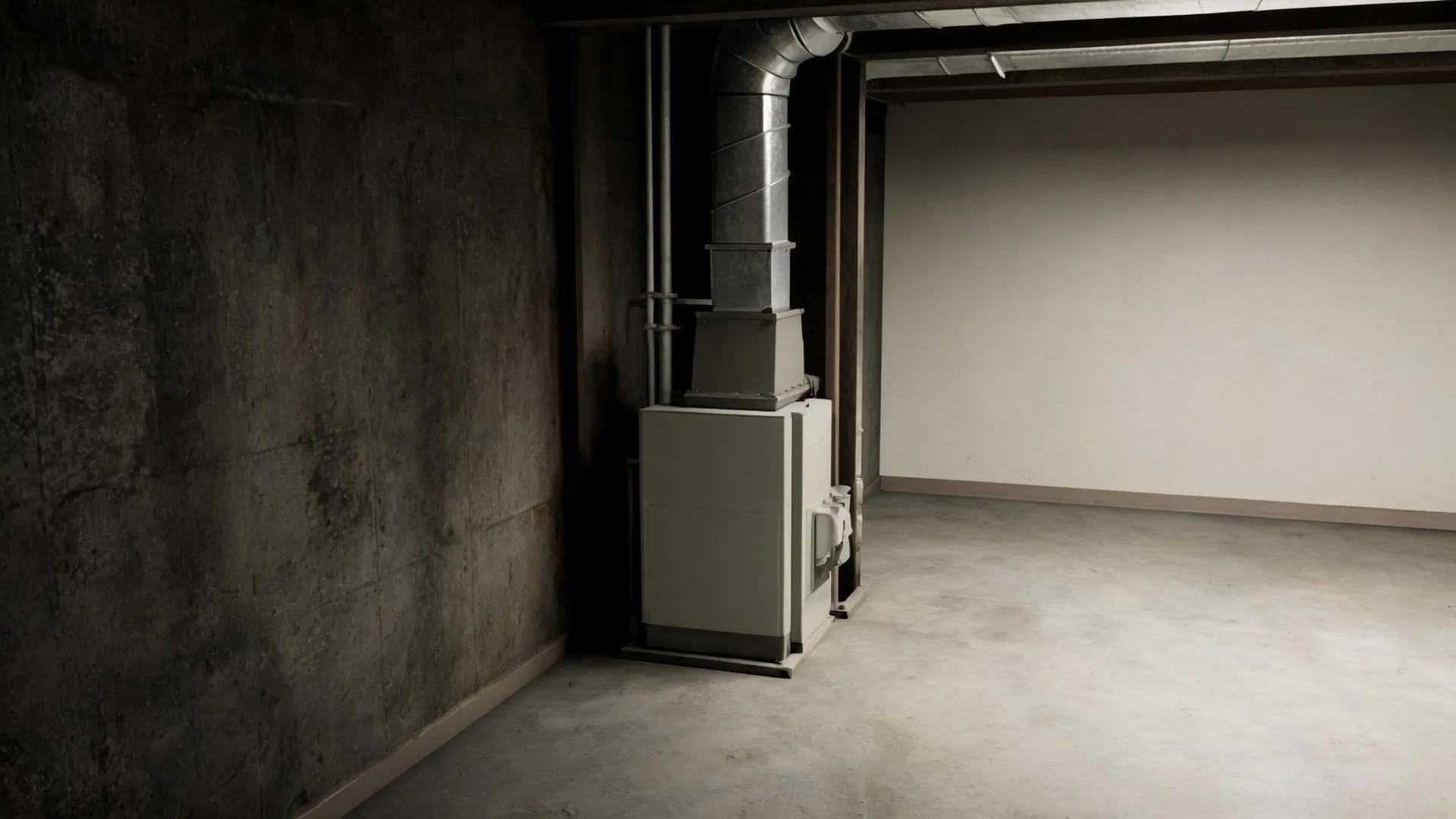
The heat exchanger sits at the core of the furnace cabinet in your basement or utility closet, and it is where combustion heat transfers to the air your home breathes. When it cracks or corrodes, the furnace may run but heat poorly, or trip a safety shutoff. The burners sit just below it and are often the first stop when ignition fails or the flame burns unsteady.
The blower motor and fan assembly sit at the base of the cabinet and push conditioned air out through the supply side of your home. The inducer motor pulls combustion gases out before the burners fire, and a failed inducer is a common reason a furnace will not start. The control board, flue, and gas valve round out what a contractor works through when tracing a fault.
The drawing beside this text shows a typical furnace layout, and a licensed contractor determines which parts and conditions apply to your specific system.
Find a contractor in Grant CountyGrant County, Indiana, by the numbers
77 severe weather events were recorded in Grant County, Indiana between 2015 and 2024.
NOAA National Centers for Environmental Information, Storm Events Database, bulk CSV export, events 2015-01-01 through 2024-12-31.Half the homes in Grant County, Indiana were built in 1963 or earlier (2020-2024 ACS 5-year).
U.S. Census Bureau, 2020-2024 American Community Survey 5-Year EstimatesGrant County, Indiana holds 29,907 housing units (2020-2024 ACS 5-year).
U.S. Census Bureau, 2020-2024 American Community Survey 5-Year EstimatesOwners occupy 72.7% of the occupied homes in Grant County, Indiana (2020-2024 ACS 5-year).
U.S. Census Bureau, 2020-2024 American Community Survey 5-Year EstimatesCodes & Standards Covering Furnace Repair in Grant County, Indiana4 sourced rules and standards
What Happens When the Contractor Arrives
Non-weatherized gas furnaces manufactured on or after November 19, 2015 must reach 80.0 percent AFUE.
Non-weatherized oil-fired furnaces manufactured on or after November 19, 2015 must reach 83.0 percent AFUE.
Mobile home gas furnaces manufactured on or after November 19, 2015 must reach 80.0 percent AFUE.
Non-weatherized gas furnaces manufactured on or after December 18, 2028 must reach 95.0 percent AFUE, up from the 80.0 percent minimum that applies to units manufactured before that date.
Severe Weather Events in Grant County
Extreme weather puts real hours on a furnace. Grant County's conditions shape how hard local heating equipment works and how often it needs attention.
77 severe weather events, 2015–2024. Source: NOAA National Centers for Environmental Information, Storm Events Database.