Tell us about the job
Takes about a minute. No obligation.
A contractor pricing furnace repair in Wabash County has to separate what the system has been through from what simply wore out on schedule. 46 severe weather events were recorded in Wabash County, Indiana between 2015 and 2024. At that rate, severe weather is an occasional event in this area, not a steady operating condition, so the load it puts on a furnace across the life of the equipment is modest. A cracked heat exchanger or a failed inducer motor is far more likely to trace back to installation quality, filter neglect, or plain age than to weather stress. That shifts where a contractor looks first: service records, combustion readings, and the age of the components carrying the most heat.
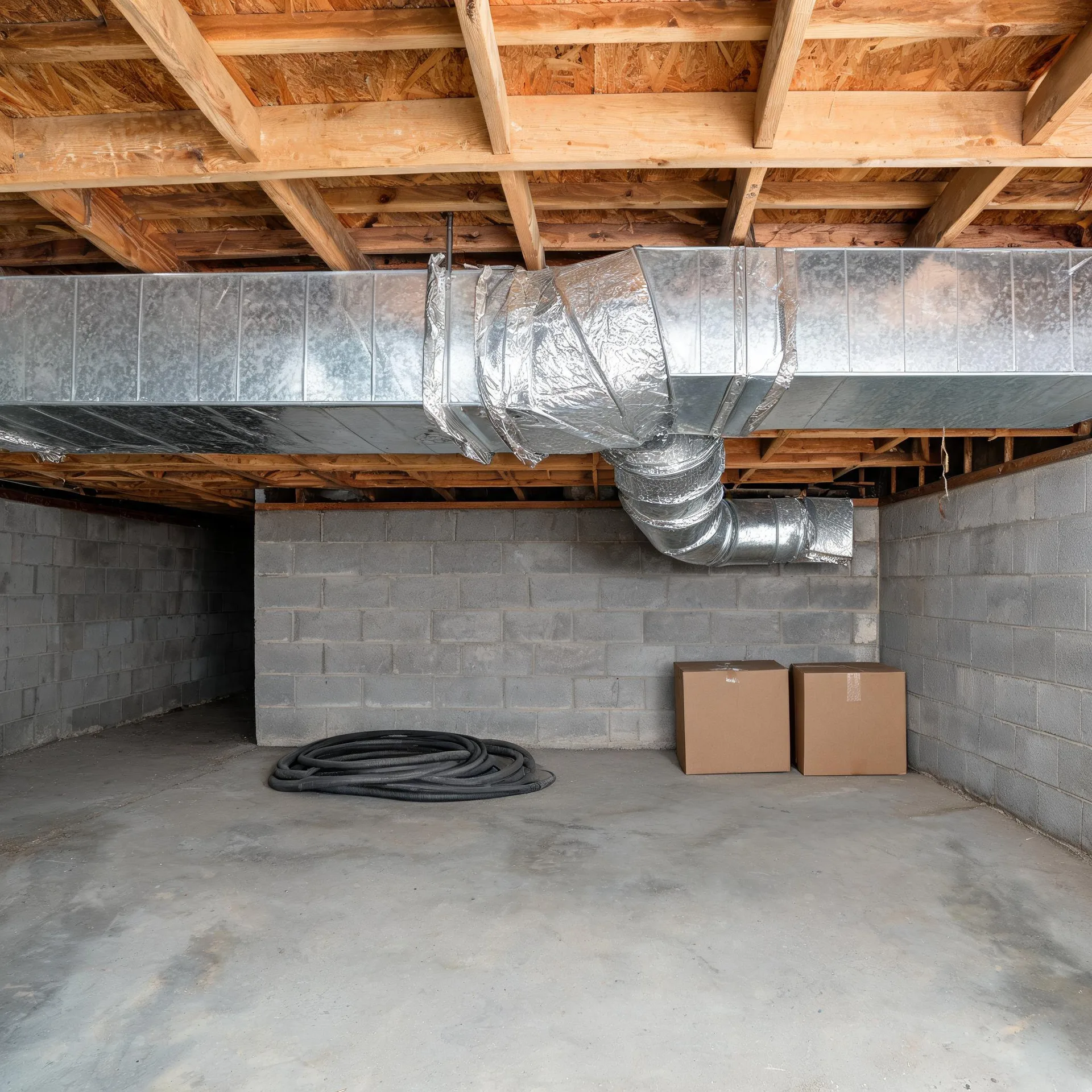
Ductwork in a house this old has been cut into, patched, and rerouted across multiple systems and multiple owners. Half the homes in Wabash County, Indiana were built in 1959 or earlier (2020-2024 ACS 5-year). That history means a furnace running in stock like this is rarely the original equipment, and the parts it takes may come from a line that has been discontinued, rebranded, or consolidated into a product a distributor no longer stocks locally. A contractor opening a furnace here checks the model and the part number before pricing the repair, because the labor cost and the wait time both shift once that answer is known.
The Parts of a Furnace a Contractor Checks First
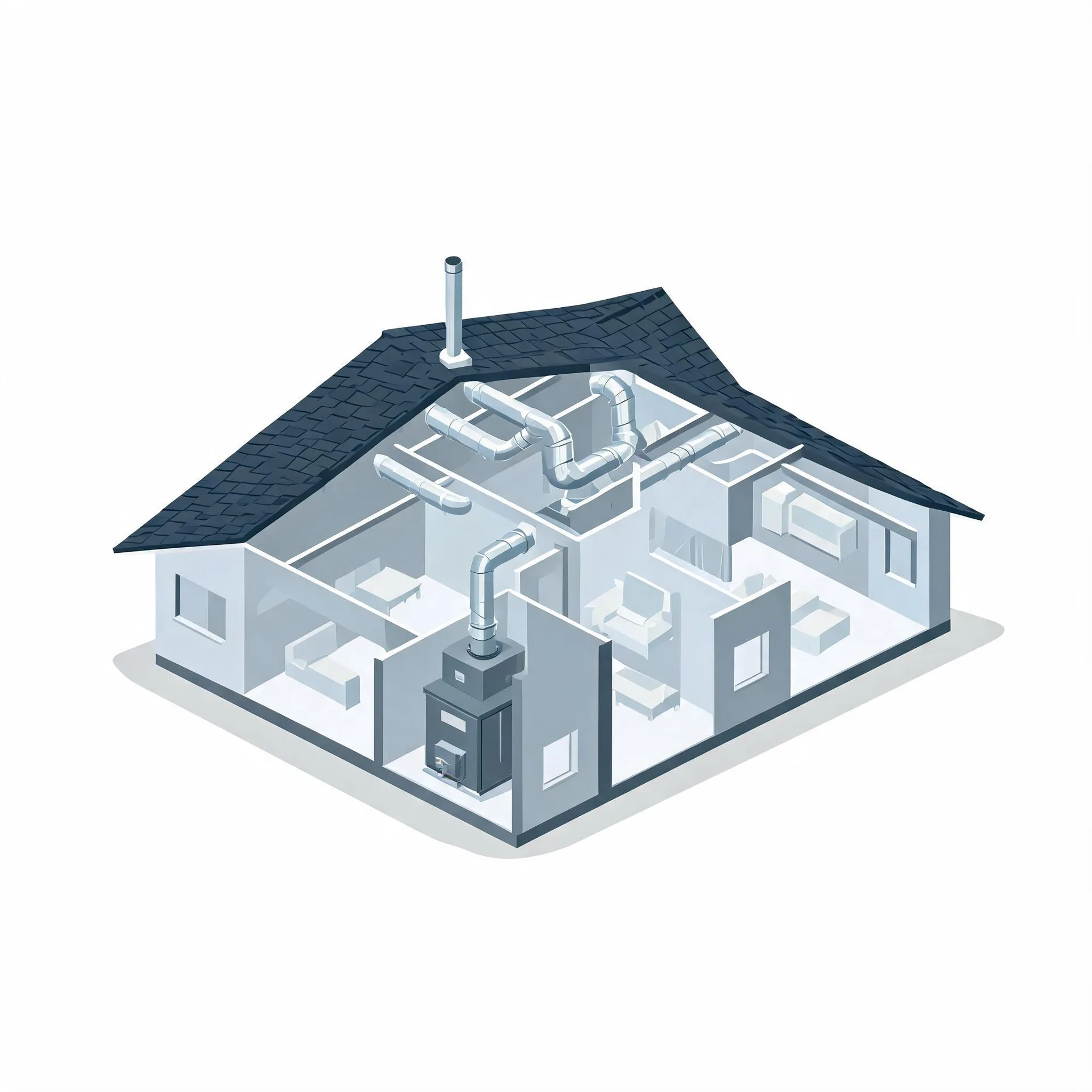
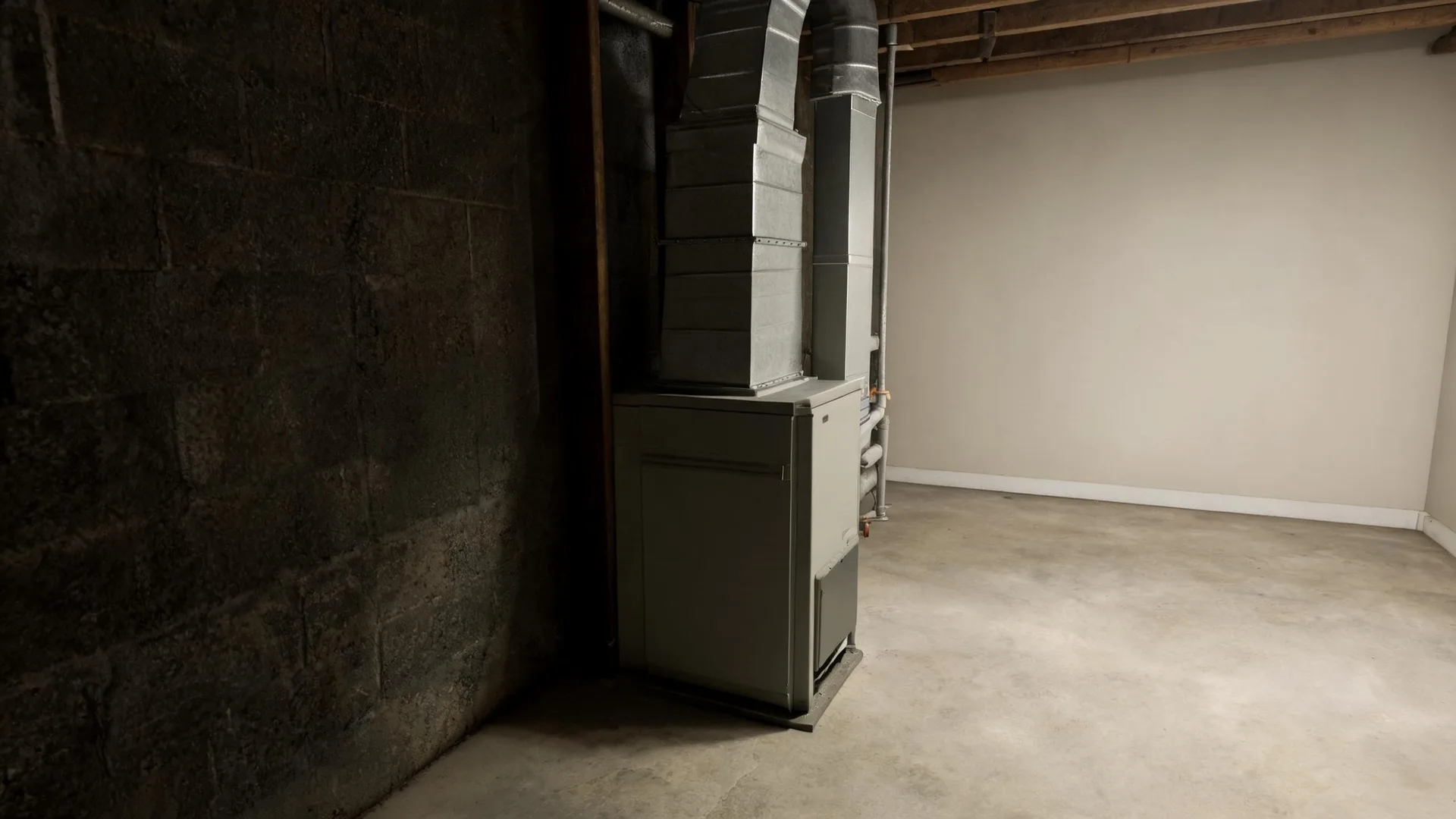
The furnace itself sits in the basement, utility room, or crawl space and is the piece a contractor goes to first. Inside it, the heat exchanger does the work of warming the air, and a cracked or fouled exchanger is one of the most common reasons a furnace stops performing. The burner assembly, which feeds the flame, and the ignitor, which lights it, are the other two components a contractor will examine before moving anywhere else.
The blower motor pulls air across the heat exchanger and pushes it through the house. When that motor or its capacitor fails, the furnace fires but no warm air moves. The flue pipe runs from the furnace to an exterior wall or up through the roof, carrying combustion gases out, and a blocked or separated flue will trip safety controls and shut the system down.
The drawing shows a general layout of these components, and a licensed contractor determines which parts apply and what condition they are in for your specific house.
Find a contractor in Wabash CountyWabash County, by the numbers
46 severe weather events were recorded in Wabash County, Indiana between 2015 and 2024.
NOAA National Centers for Environmental Information, Storm Events Database, bulk CSV export, events 2015-01-01 through 2024-12-31.Half the homes in Wabash County, Indiana were built in 1959 or earlier (2020-2024 ACS 5-year).
U.S. Census Bureau, 2020-2024 American Community Survey 5-Year EstimatesWabash County, Indiana holds 14,097 housing units (2020-2024 ACS 5-year).
U.S. Census Bureau, 2020-2024 American Community Survey 5-Year EstimatesOwners occupy 80.5% of the occupied homes in Wabash County, Indiana (2020-2024 ACS 5-year).
U.S. Census Bureau, 2020-2024 American Community Survey 5-Year EstimatesCodes & Standards Governing Furnace Repair in Wabash County, Indiana4 sourced rules and standards
What HVAC Repair Looks Like in Wabash County
Non-weatherized gas furnaces manufactured on or after November 19, 2015 must reach 80.0 percent AFUE.
Non-weatherized oil-fired furnaces manufactured on or after November 19, 2015 must reach 83.0 percent AFUE.
Mobile home gas furnaces manufactured on or after November 19, 2015 must reach 80.0 percent AFUE.
Non-weatherized gas furnaces manufactured on or after December 18, 2028 must reach 95.0 percent AFUE, up from the 80.0 percent minimum that applies to units manufactured before that date.
Severe Weather Events in Wabash County
Wabash County weather puts real pressure on furnace components over time. Stress that builds from temperature swings and storm conditions is a direct driver of repair demand, which is why local weather history belongs on a page about furnace work.
46 severe weather events, 2015–2024. Source: NOAA National Centers for Environmental Information, Storm Events Database.