Tell us about the job
Takes about a minute. No obligation.
A furnace in Miami County that stops working in January almost certainly failed for reasons a contractor can find inside the unit. 60 severe weather events were recorded in Miami County, Indiana between 2015 and 2024. At that rate, severe weather is an occasional event for any given home, not a standing condition that grinds components down season after season. What wears a furnace out here is age, deferred maintenance, and the quality of the original installation. A contractor will check heat exchangers, ignition components, and airflow before concluding the weather played any part at all.
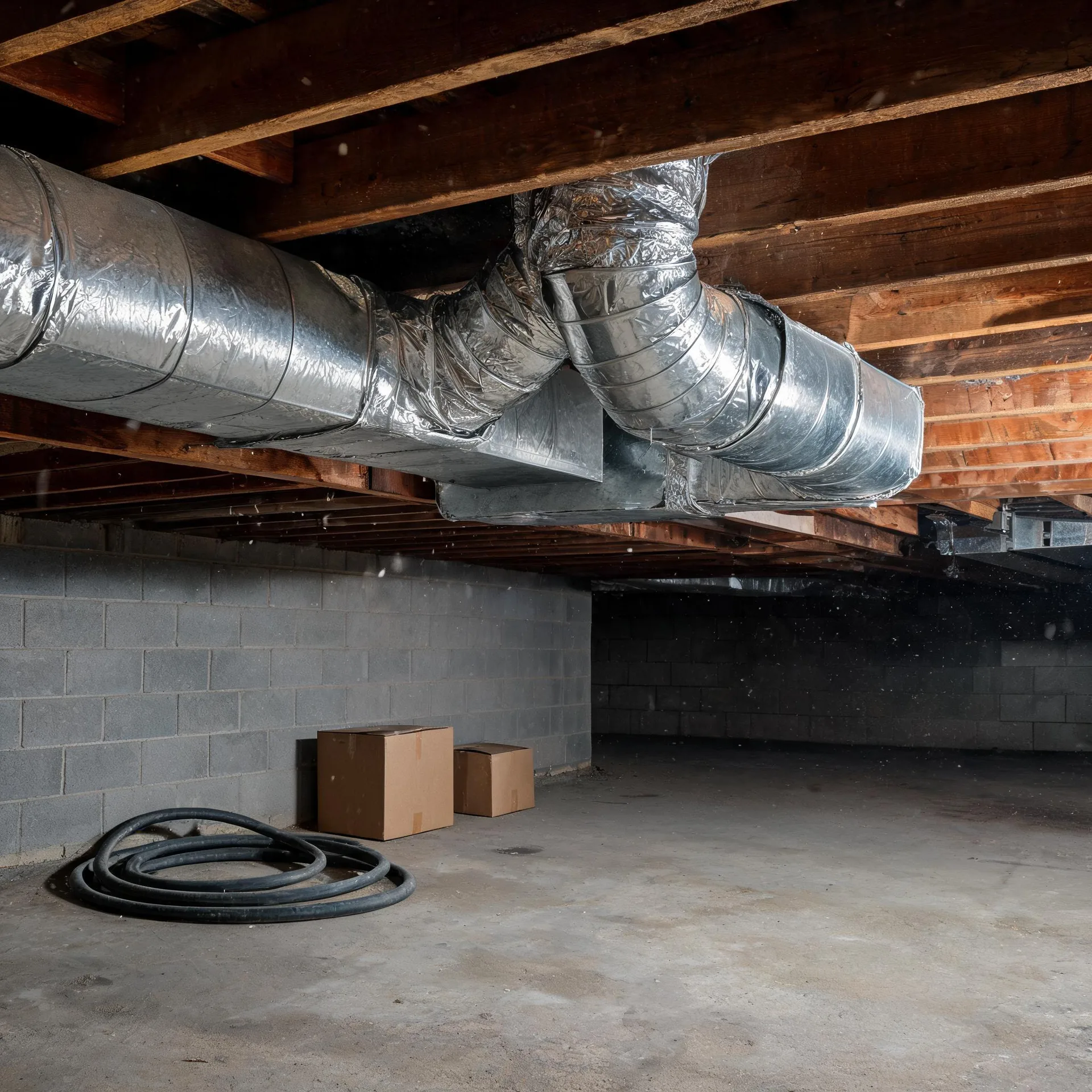
Ductwork and wiring aside, what a contractor actually encounters when a furnace is opened in Miami County often comes down to parts. Half the homes in Miami County, Indiana were built in 1961 or earlier (2020-2024 ACS 5-year). A system installed in a house of that vintage has been running long enough that the components a repair calls for may sit outside active production runs, and a contractor has to confirm availability before a quote means anything. If the part exists, the repair proceeds. If it has been discontinued, the scope of the visit changes entirely, and that determination comes from the opened unit, not from the address.
The Parts of a Furnace a Contractor Checks First
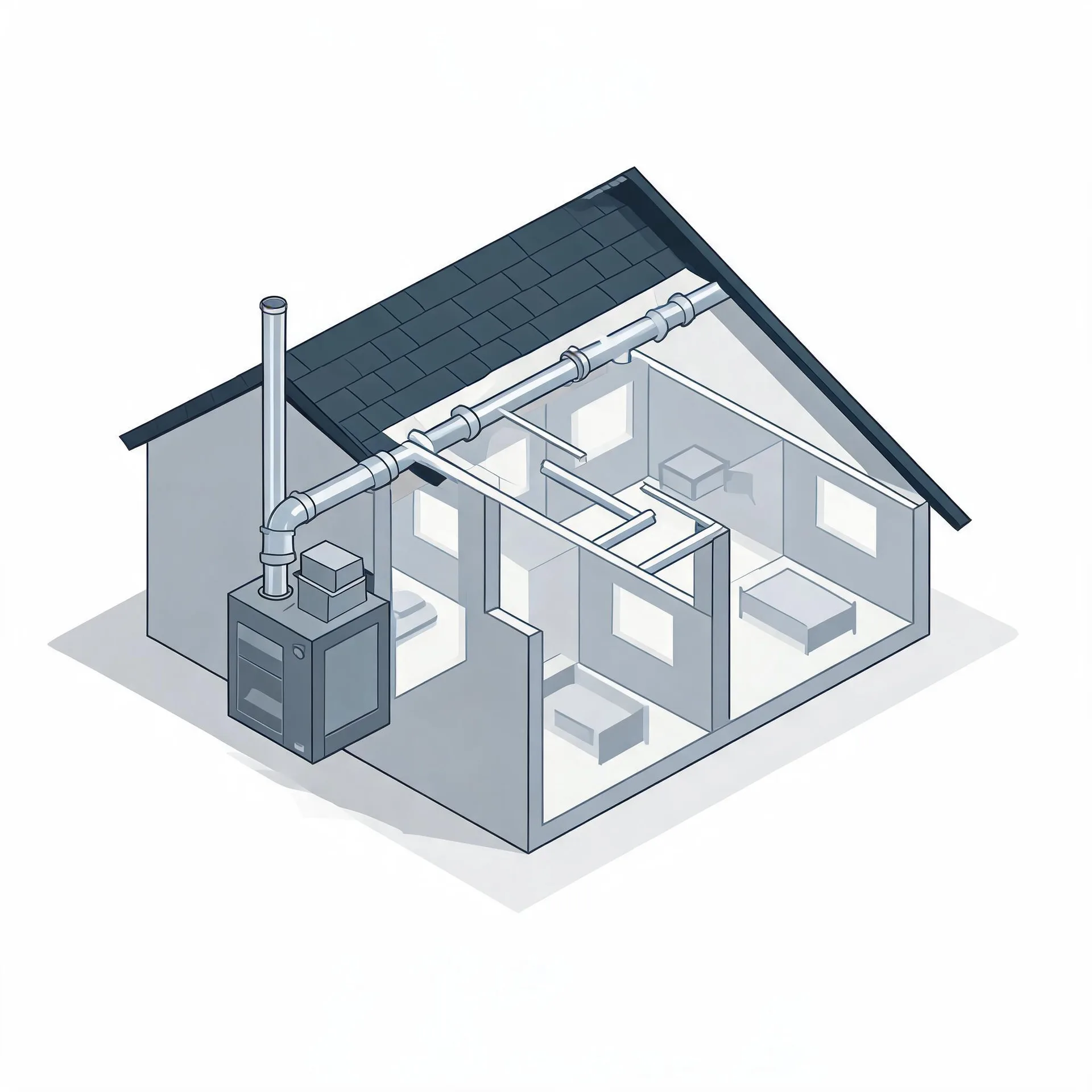
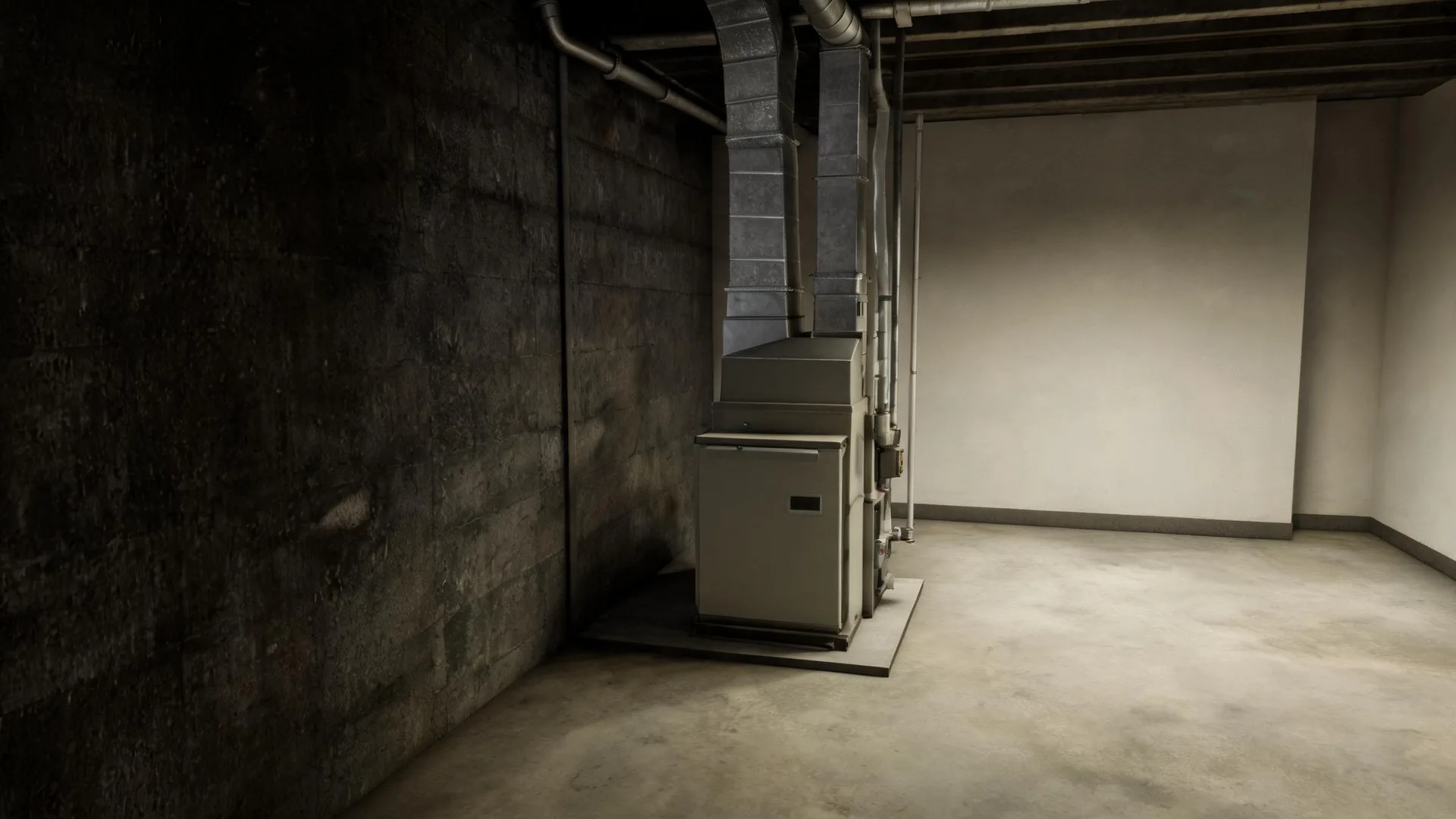
The furnace itself sits in a utility area, basement, or closet and is the piece a contractor goes to first. Inside it, the heat exchanger is the part that fails most quietly and matters most when it does, because it separates combustion gases from the air your household breathes. The burners, which fire beneath it, are the other early stop.
The blower motor sits at the base of the furnace cabinet and pushes conditioned air out through the house. The flue pipe runs from the top of the unit to an exterior wall or roof, carrying exhaust gases out. The thermostat on your wall is the last piece a contractor checks, because a bad signal from it can look like a furnace problem when the furnace is fine.
The drawing shows a general layout of these components, and a licensed contractor determines what applies to the specific setup in your home.
Find a contractor in Miami CountyMiami County, Indiana, by the numbers
60 severe weather events were recorded in Miami County, Indiana between 2015 and 2024.
NOAA National Centers for Environmental Information, Storm Events Database, bulk CSV export, events 2015-01-01 through 2024-12-31.Half the homes in Miami County, Indiana were built in 1961 or earlier (2020-2024 ACS 5-year).
U.S. Census Bureau, 2020-2024 American Community Survey 5-Year EstimatesMiami County, Indiana holds 14,952 housing units (2020-2024 ACS 5-year).
U.S. Census Bureau, 2020-2024 American Community Survey 5-Year EstimatesOwners occupy 76.2% of the occupied homes in Miami County, Indiana (2020-2024 ACS 5-year).
U.S. Census Bureau, 2020-2024 American Community Survey 5-Year EstimatesFurnace Repair Rules & Standards on the Books for Miami County, Indiana4 sourced rules and standards
What HVAC Repair Looks Like in Miami County
Non-weatherized gas furnaces manufactured on or after November 19, 2015 must reach 80.0 percent AFUE.
Non-weatherized oil-fired furnaces manufactured on or after November 19, 2015 must reach 83.0 percent AFUE.
Mobile home gas furnaces manufactured on or after November 19, 2015 must reach 80.0 percent AFUE.
Non-weatherized gas furnaces manufactured on or after December 18, 2028 must reach 95.0 percent AFUE, up from the 80.0 percent minimum that applies to units manufactured before that date.
Severe Weather Events in Miami County
Hard weather puts furnaces to work in ways that steady, mild winters do not. Stress on equipment accumulates, and when something fails, the repair is a local job that depends on contractors who know this county.
60 severe weather events, 2015–2024. Source: NOAA National Centers for Environmental Information, Storm Events Database.