Tell us about the job
Takes about a minute. No obligation.
A furnace repair in Greene County starts with what the system has actually been through, and for most homes here the weather record is a minor factor against bigger ones like equipment age and service history. 39 severe weather events were recorded in Greene County, Indiana between 2015 and 2024. At that rate, severe weather is an event rather than a steady condition bearing down on every heating season. A contractor opening a failed furnace here is more likely to find a heat exchanger cracked from years of cycling or a blower motor worn past its service life than damage you could pin on storm load. The weather exists, but it does not do the explanatory work that age and neglect do.
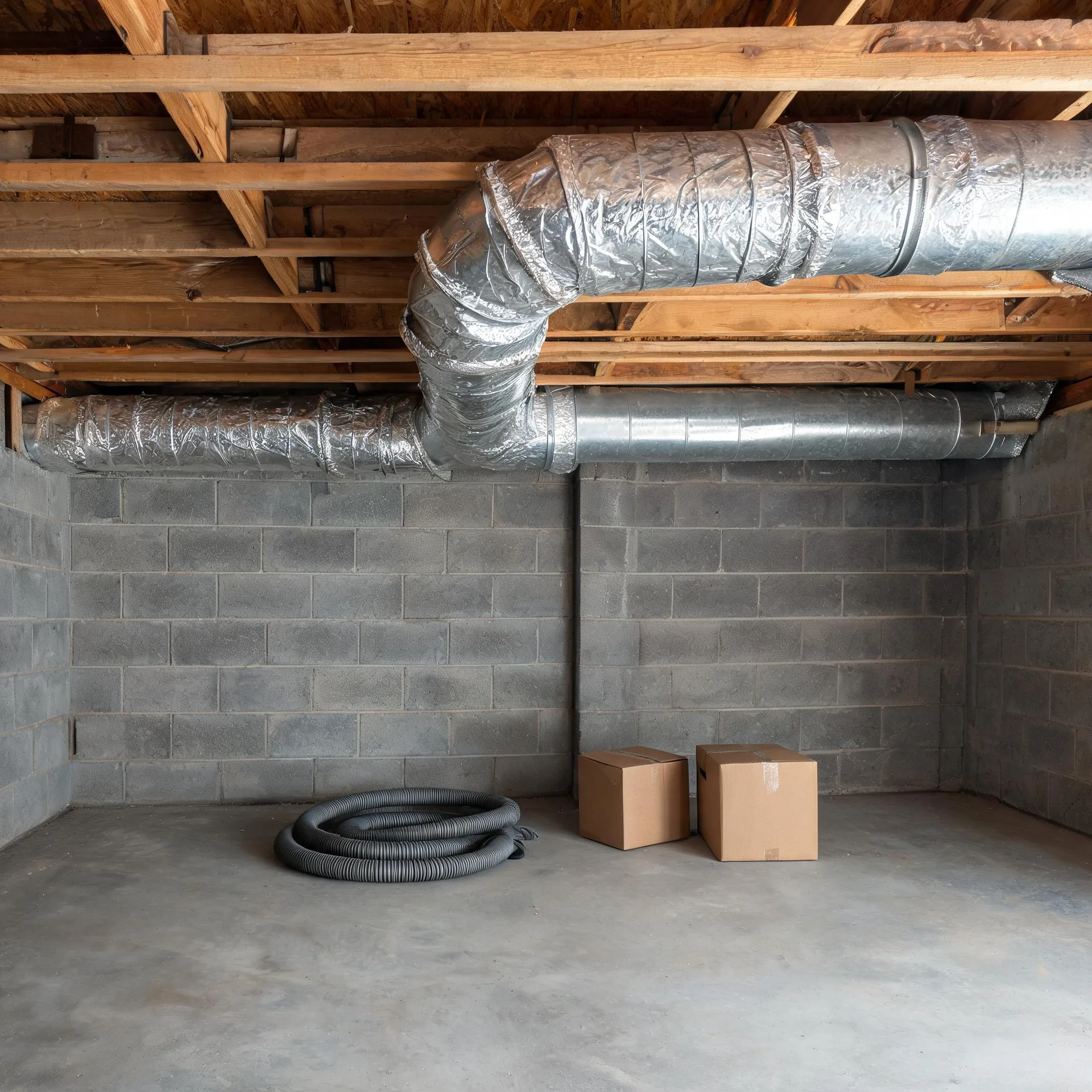
Furnace systems in houses this old carry a repair history layered under the current problem. Half the homes in Greene County, Indiana were built in 1978 or earlier (2020-2024 ACS 5-year). That accumulation matters when a contractor opens a furnace and has to source parts: a heat exchanger, a control board, a draft inducer motor. If the unit is itself old, those parts narrow quickly, and what looks like a straightforward repair can stall on supply rather than labor. A contractor here prices that risk before committing to a scope.
The Parts of a Furnace a Contractor Checks First
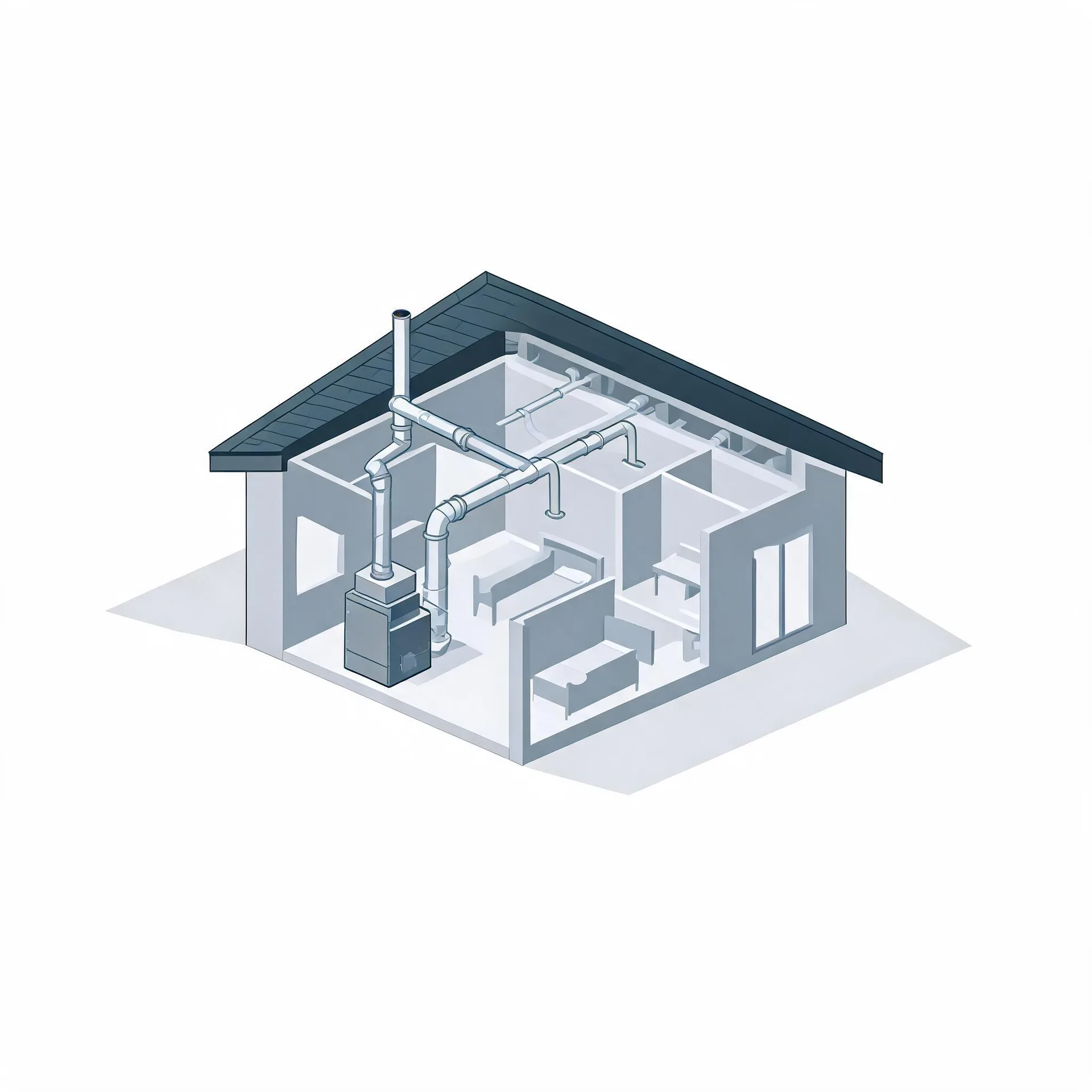
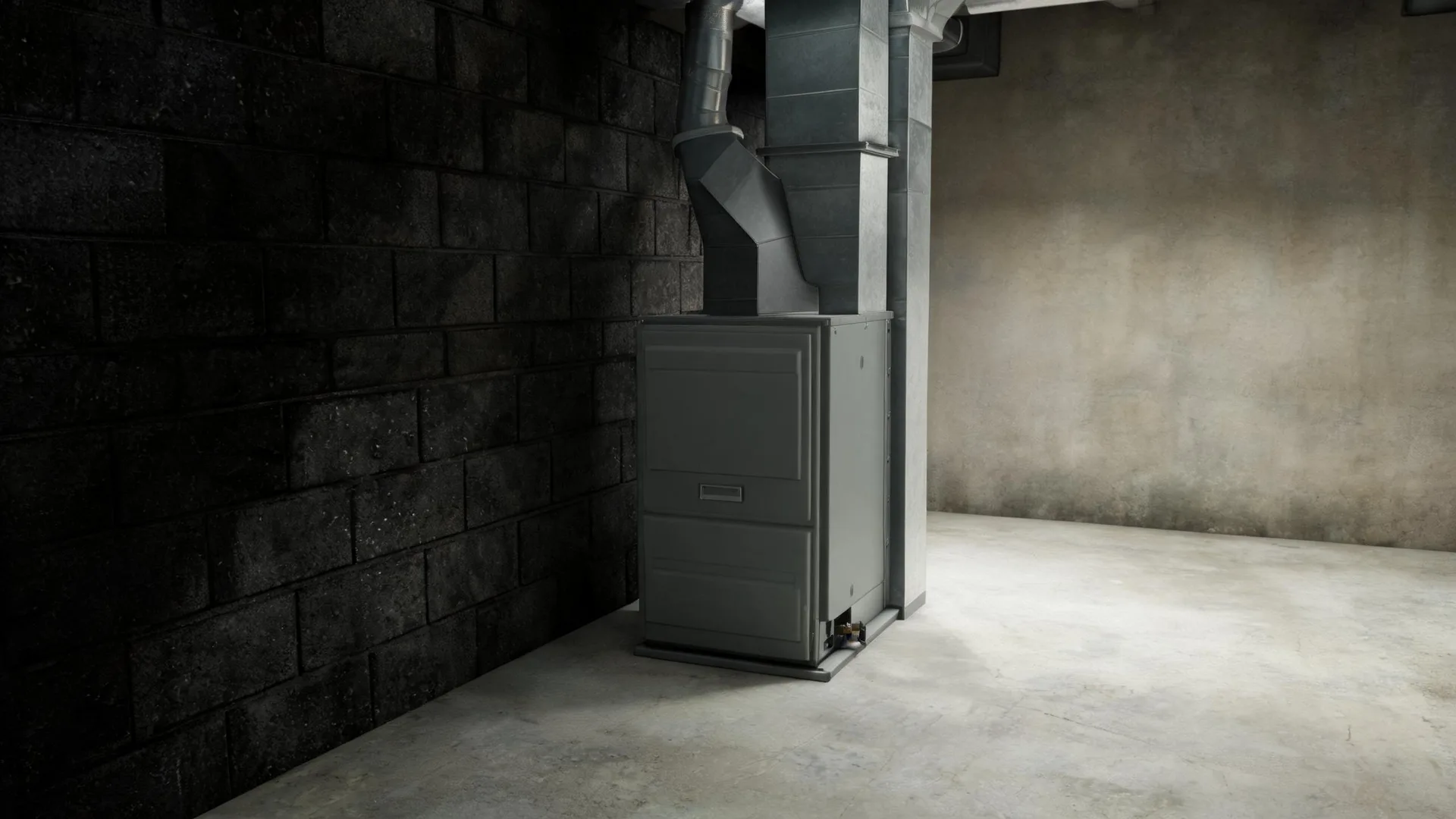
The heat exchanger sits inside the furnace cabinet in the basement or utility room and is the piece a contractor looks at closely during a repair call. Cracks or warping here affect the whole system. The burner assembly, just below it, is where the fuel ignites, and misfires or uneven flames point straight to it.
The blower motor sits at the base of the cabinet and pushes conditioned air into the supply plenum that feeds the rest of the house. The flue pipe runs from the top of the furnace to an exterior vent and carries combustion gases out. The control board ties the electrical signals together and is often where a contractor looks when the furnace fails to start.
The drawing shows a typical furnace layout, and a licensed contractor determines which parts apply to the specific equipment and configuration in your home.
Find a contractor in Greene CountyGreene County, Indiana, by the numbers
39 severe weather events were recorded in Greene County, Indiana between 2015 and 2024.
NOAA National Centers for Environmental Information, Storm Events Database, bulk CSV export, events 2015-01-01 through 2024-12-31.Half the homes in Greene County, Indiana were built in 1978 or earlier (2020-2024 ACS 5-year).
U.S. Census Bureau, 2020-2024 American Community Survey 5-Year EstimatesGreene County, Indiana holds 14,356 housing units (2020-2024 ACS 5-year).
U.S. Census Bureau, 2020-2024 American Community Survey 5-Year EstimatesOwners occupy 77.0% of the occupied homes in Greene County, Indiana (2020-2024 ACS 5-year).
U.S. Census Bureau, 2020-2024 American Community Survey 5-Year EstimatesCodes & Standards Governing Furnace Repair in Greene County, Indiana4 sourced rules and standards
What HVAC Repair Looks Like in Greene County
Non-weatherized gas furnaces manufactured on or after November 19, 2015 must reach 80.0 percent AFUE.
Non-weatherized oil-fired furnaces manufactured on or after November 19, 2015 must reach 83.0 percent AFUE.
Mobile home gas furnaces manufactured on or after November 19, 2015 must reach 80.0 percent AFUE.
Non-weatherized gas furnaces manufactured on or after December 18, 2028 must reach 95.0 percent AFUE, up from the 80.0 percent minimum that applies to units manufactured before that date.
Severe Weather Events in Greene County
Extreme weather puts furnaces under stress they were not sized to absorb every day. How often that pressure arrives in Greene County shapes how hard the equipment works and how quickly wear accumulates.
39 severe weather events, 2015–2024. Source: NOAA National Centers for Environmental Information, Storm Events Database.