Tell us about the job
Takes about a minute. No obligation.
A contractor quoting furnace repair in Clinton County has to settle one question before anything else: what actually wore this system down. 57 severe weather events were recorded in Clinton County, Indiana between 2015 and 2024. At that rate, severe weather lands here, but not so relentlessly that it accounts for most of what goes wrong inside a furnace. Heat exchangers crack from age and thermal cycling that accumulates over years of regular use. Igniters, pressure switches, and blower motors wear on a schedule driven by how well the system was installed and how consistently it was serviced. A contractor will check those first.
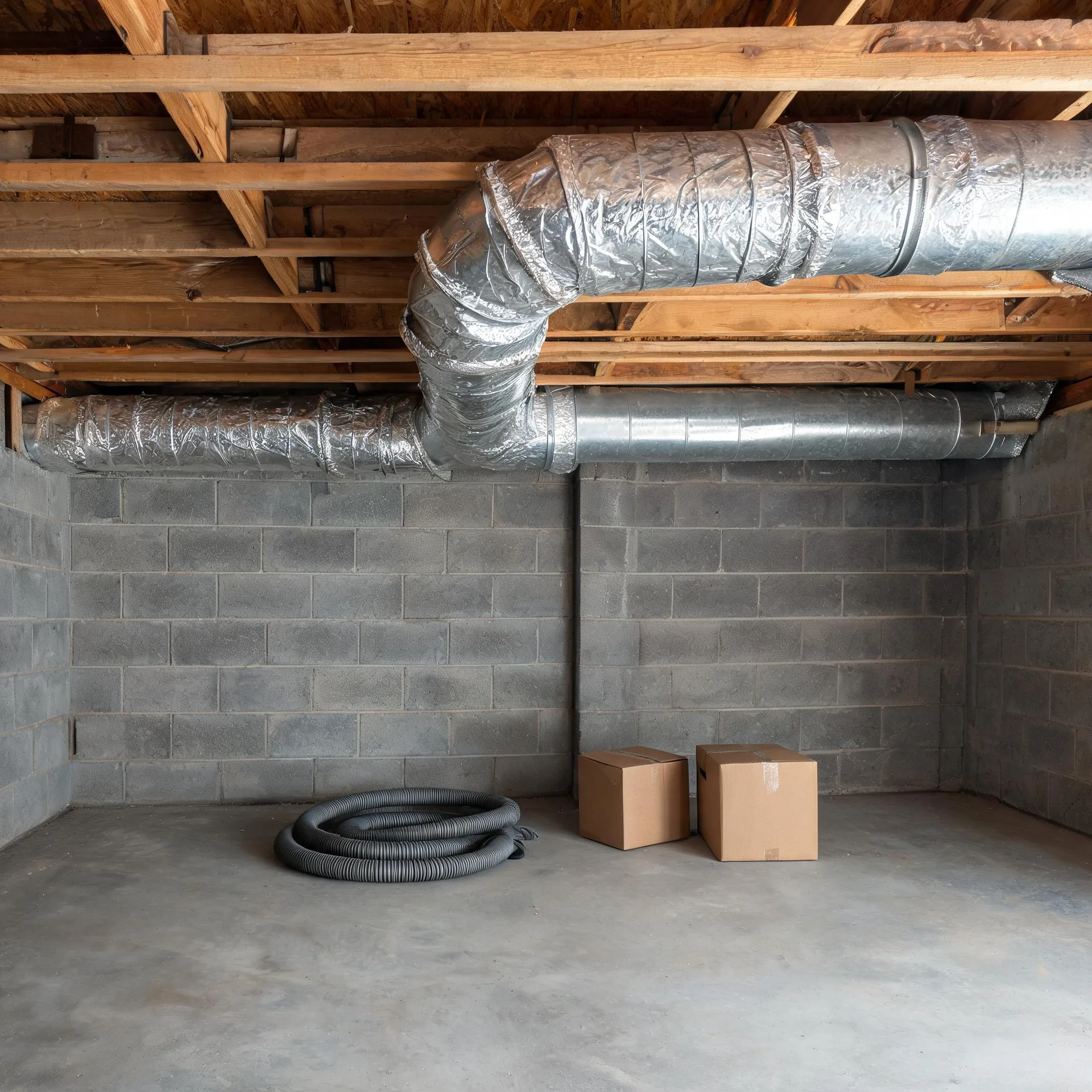
Furnace systems in housing stock this old have usually been replaced at least once since the original installation, which means what sits in the utility room now is itself an aging unit, not the first one the house ever ran. Half the homes in Clinton County, Indiana were built in 1957 or earlier (2020-2024 ACS 5-year). When a contractor opens a furnace here, the question that shapes the repair bill is whether the heat exchanger, igniter, or control board the system needs is still in production, and for equipment that has been running long enough to be on its second owner, that answer is not always yes. A part that has gone out of regular manufacture turns a routine repair into a sourcing problem.
The Parts of a Furnace a Contractor Checks First
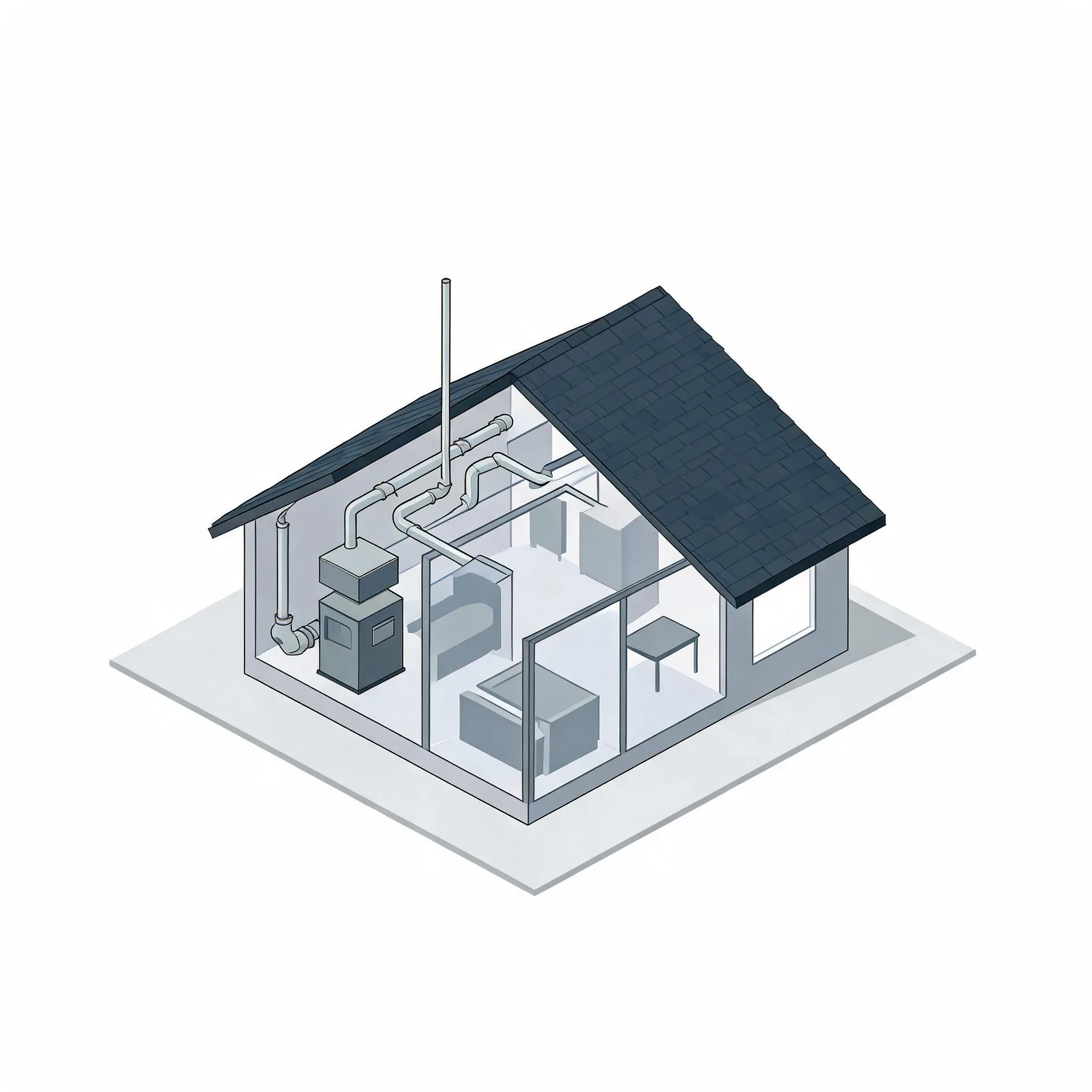
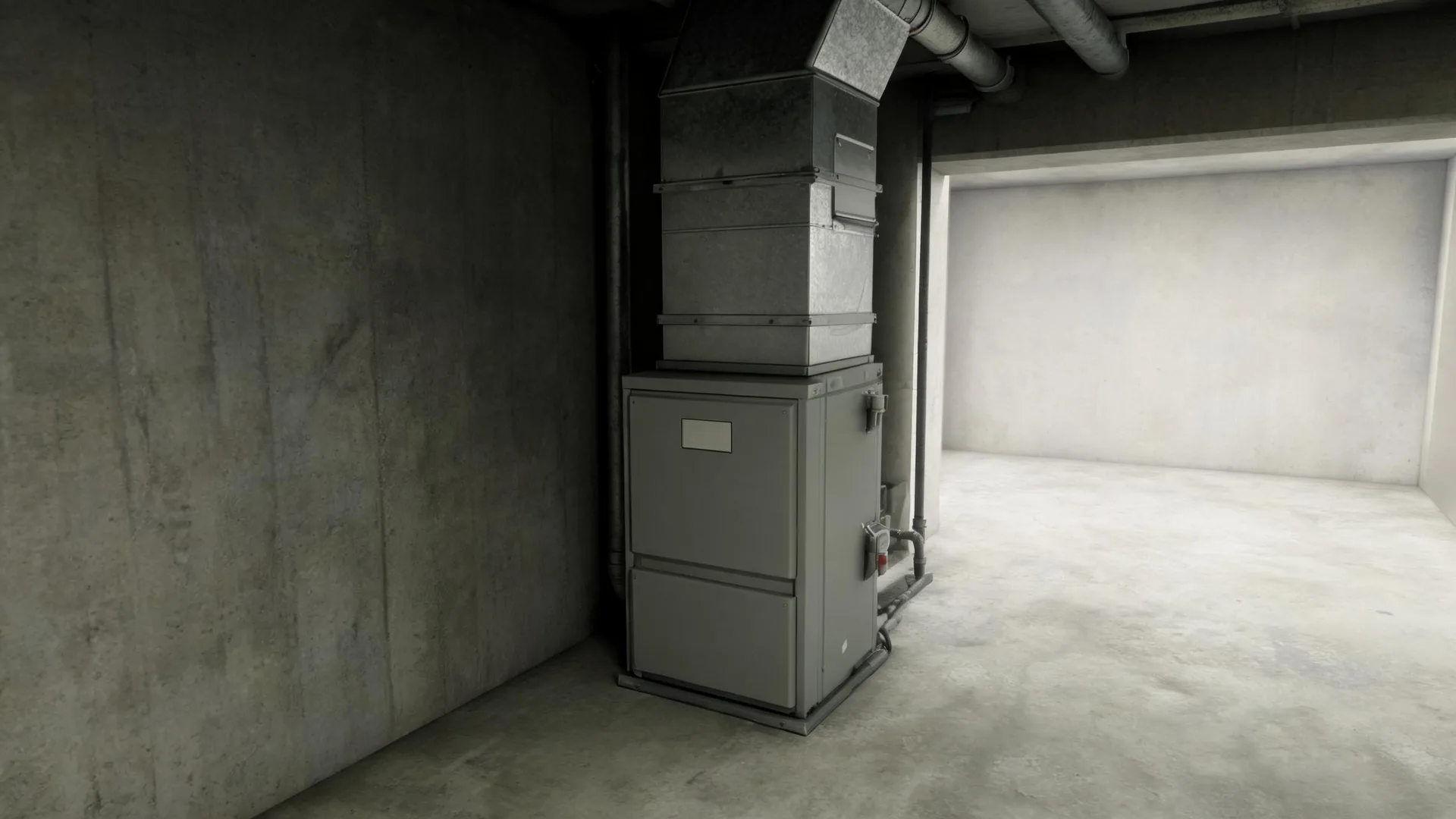
The heat exchanger sits inside the furnace cabinet in the basement or utility room and is the piece a contractor reaches first when something is wrong. Cracks or stress in it let combustion gases into the airstream. The burner assembly, just below it, is where fuel ignites, and misfires or uneven flames point straight back here.
The blower motor pushes conditioned air through the house and sits at the base of the cabinet. A failed capacitor, worn bearings, or a dirty wheel will stop airflow or strain the motor itself. The control board and the limit switch sit nearby and tell the system when to fire and when to shut down. Either one can take a furnace offline without any visible damage to the parts around them.
The drawing shows a general layout of these components, and a licensed contractor determines which of them apply to your specific system and setup.
Find a contractor in Clinton CountyClinton County, Indiana, by the numbers
57 severe weather events were recorded in Clinton County, Indiana between 2015 and 2024.
NOAA National Centers for Environmental Information, Storm Events Database, bulk CSV export, events 2015-01-01 through 2024-12-31.Half the homes in Clinton County, Indiana were built in 1957 or earlier (2020-2024 ACS 5-year).
U.S. Census Bureau, 2020-2024 American Community Survey 5-Year EstimatesClinton County, Indiana holds 13,517 housing units (2020-2024 ACS 5-year).
U.S. Census Bureau, 2020-2024 American Community Survey 5-Year EstimatesOwners occupy 74.2% of the occupied homes in Clinton County, Indiana (2020-2024 ACS 5-year).
U.S. Census Bureau, 2020-2024 American Community Survey 5-Year EstimatesCodes & Standards Covering Furnace Repair in Clinton County, Indiana4 sourced rules & standards
What happens when a contractor comes out for HVAC repair in Clinton County
Non-weatherized gas furnaces manufactured on or after November 19, 2015 must reach 80.0 percent AFUE.
Non-weatherized oil-fired furnaces manufactured on or after November 19, 2015 must reach 83.0 percent AFUE.
Mobile home gas furnaces manufactured on or after November 19, 2015 must reach 80.0 percent AFUE.
Non-weatherized gas furnaces manufactured on or after December 18, 2028 must reach 95.0 percent AFUE, up from the 80.0 percent minimum that applies to units manufactured before that date.
Severe Weather Events in Clinton County
Furnaces in Clinton County work against whatever the weather puts on them, and Indiana weather is not gentle. How hard a heating system runs, how often parts fail, and how quickly wear accumulates all track back to local conditions.
57 severe weather events, 2015–2024. Source: NOAA National Centers for Environmental Information, Storm Events Database.