Tell us about the job
Takes about a minute. No obligation.
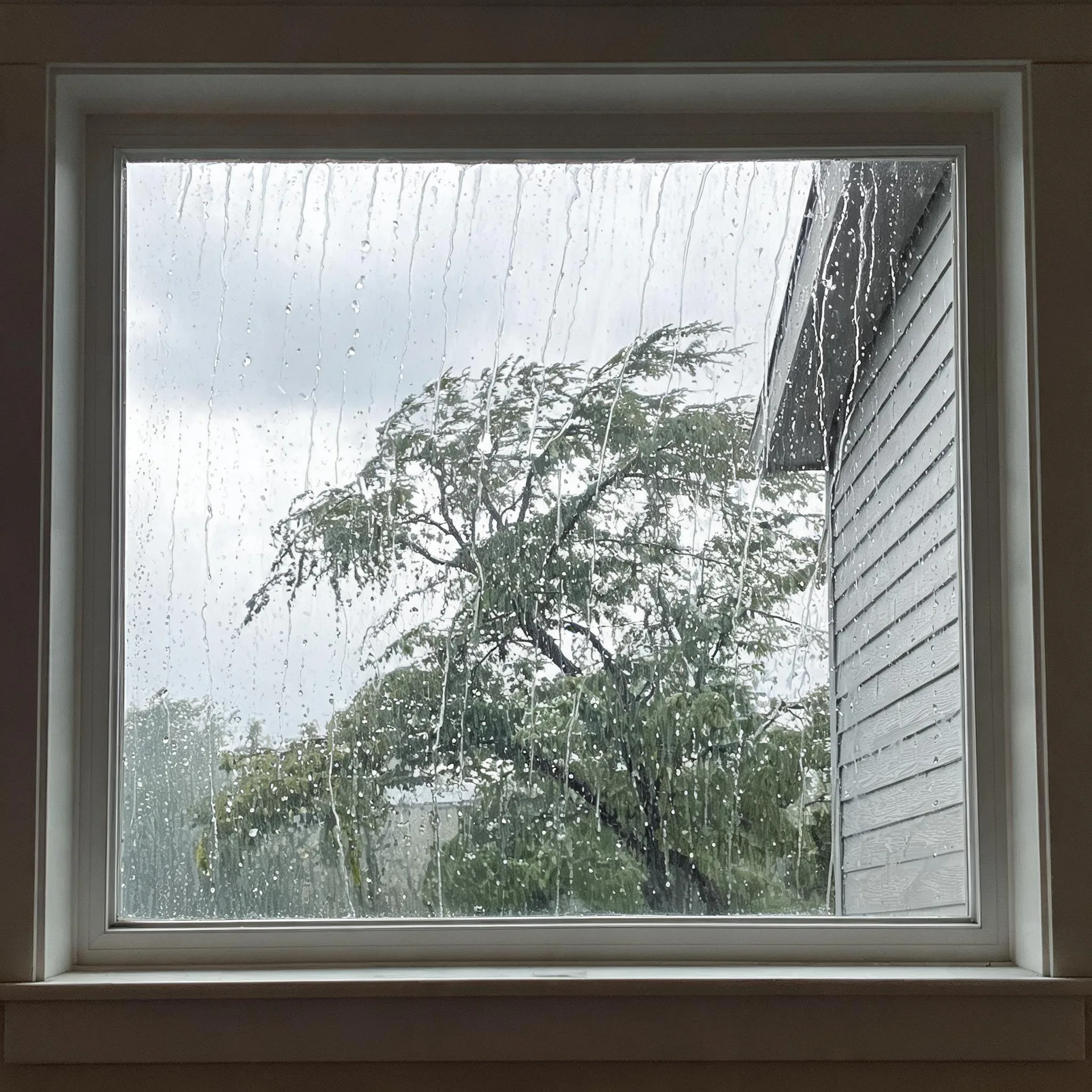
A contractor quoting a furnace installation in Fayette County has to size the system against the house itself: its insulation, its duct layout, and how well the building holds heat. 43 severe weather events were recorded in Fayette County, Indiana between 2015 and 2024. At that rate, severe weather is something this area sees now and then, and it is not the variable that drives installation decisions. What does drive them is whether the existing ductwork can carry the airflow a new furnace demands, and whether the home's envelope will let the system reach its rated output. Those are the questions a contractor settles before specifying equipment.
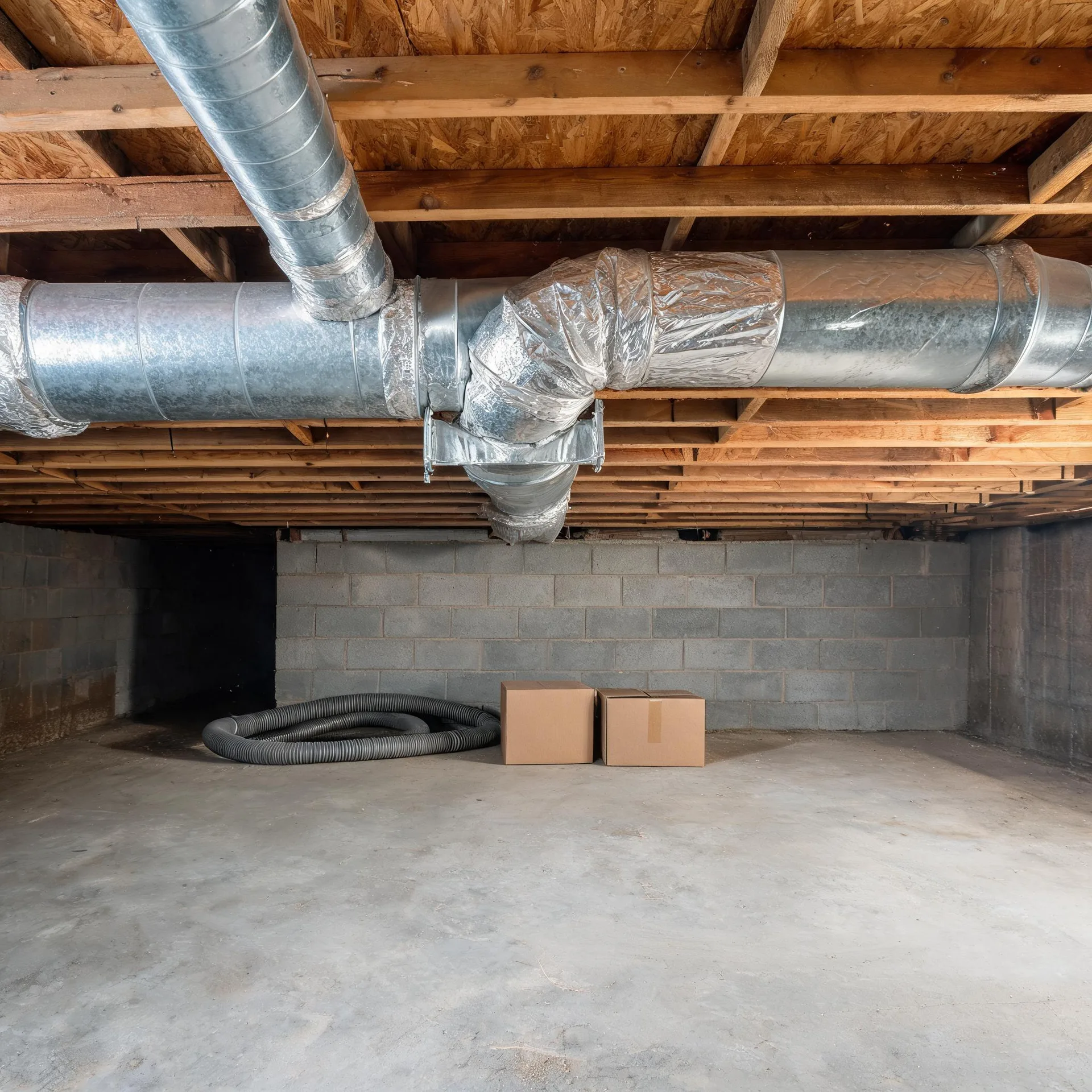
Ductwork laid down for an old gravity or floor-furnace system carries air differently than a modern forced-air furnace needs it to. Half the homes in Fayette County, Indiana were built in 1962 or earlier (2020-2024 ACS 5-year). That gap between what was built and what now runs through it is where a furnace installation gets complicated or straightforward, and a contractor has to assess the existing trunk lines, branch runs, and return paths before any equipment decision makes sense. Electrical service matters too, though ductwork is usually what decides the scope.
What Gets Installed With a New Furnace
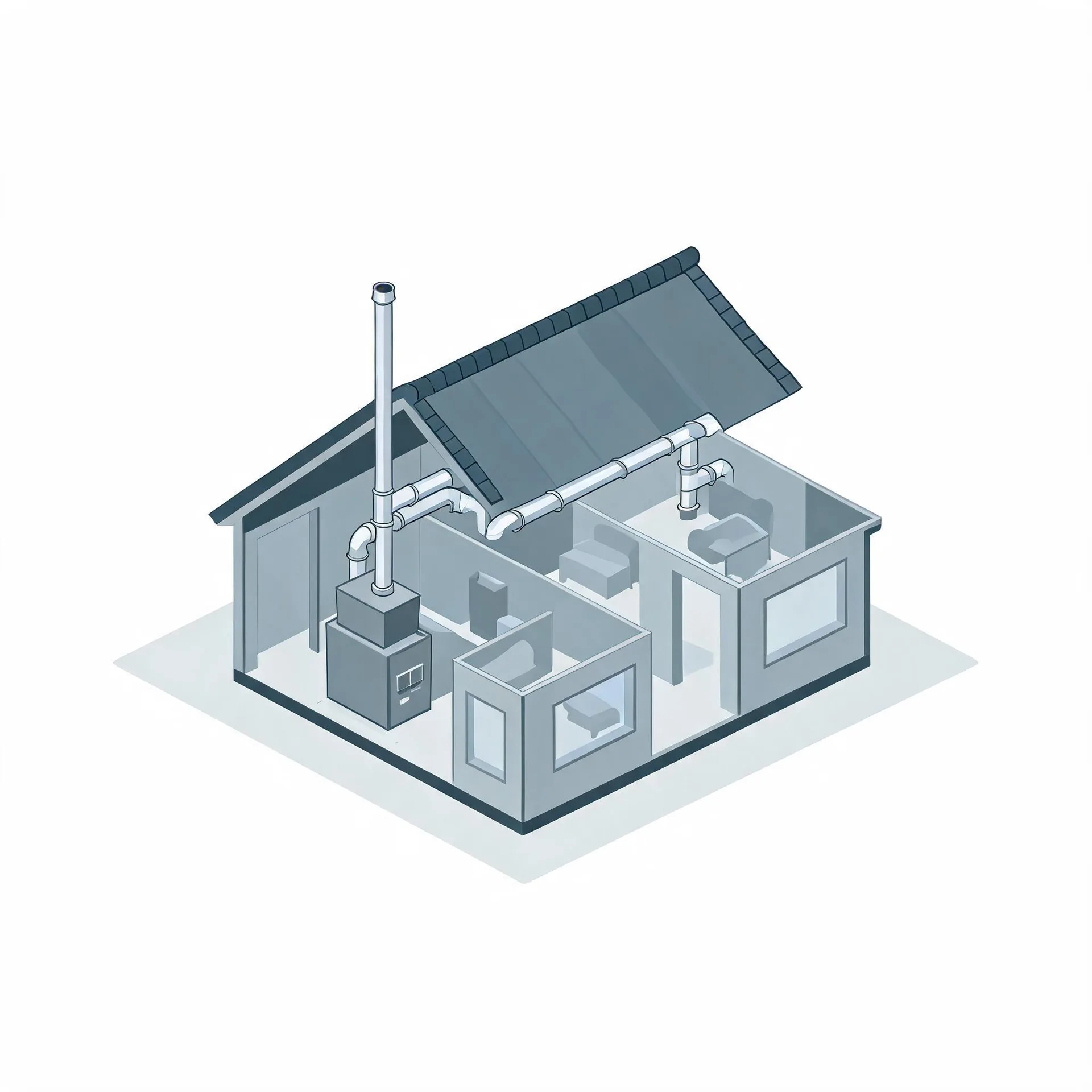
The furnace itself sits in a utility space, a basement, or a dedicated mechanical closet and is the unit a homeowner sees when they look at the system. Inside the cabinet, the heat exchanger and the burner assembly do the core work, while the blower motor sits at the base of the unit and pushes conditioned air out into the house.
The flue pipe runs from the top or back of the furnace up through the structure and carries combustion gases out of the home. Beside the furnace, the air handler components and the filter housing connect the unit to the rest of the system, and a thermostat mounted on a main living-area wall gives the homeowner control over the whole thing.
The drawing shows a representative layout, and a licensed contractor determines exactly which configuration and components apply to your house.
Find a contractor in Fayette CountyFayette County, Indiana, by the numbers
43 severe weather events were recorded in Fayette County, Indiana between 2015 and 2024.
NOAA National Centers for Environmental Information, Storm Events Database, bulk CSV export, events 2015-01-01 through 2024-12-31.Half the homes in Fayette County, Indiana were built in 1962 or earlier (2020-2024 ACS 5-year).
U.S. Census Bureau, 2020-2024 American Community Survey 5-Year EstimatesFayette County, Indiana holds 10,905 housing units (2020-2024 ACS 5-year).
U.S. Census Bureau, 2020-2024 American Community Survey 5-Year EstimatesOwners occupy 72.1% of the occupied homes in Fayette County, Indiana (2020-2024 ACS 5-year).
U.S. Census Bureau, 2020-2024 American Community Survey 5-Year EstimatesFurnace Installation Rules for Fayette County, Indiana4 sourced standards and codes
What the Installation Actually Looks Like
Non-weatherized gas furnaces manufactured on or after November 19, 2015 must reach 80.0 percent AFUE.
Non-weatherized oil-fired furnaces manufactured on or after November 19, 2015 must reach 83.0 percent AFUE.
Mobile home gas furnaces manufactured on or after November 19, 2015 must reach 80.0 percent AFUE.
Non-weatherized gas furnaces manufactured on or after December 18, 2028 must reach 95.0 percent AFUE, up from the 80.0 percent minimum that applies to units manufactured before that date.
Severe Weather Events in Fayette County
Fayette County weather puts real demands on heating equipment over time. How hard a furnace has to work, and how long it holds up, is shaped by what the local climate actually delivers.
43 severe weather events, 2015–2024. Source: NOAA National Centers for Environmental Information, Storm Events Database.