Tell us about the job
Takes about a minute. No obligation.
A furnace repair in Jennings County starts with what the system has been asked to do over its lifetime, and most of the answers come from the equipment itself rather than from outside it. 29 severe weather events were recorded in Jennings County, Indiana between 2015 and 2024. At that rate, severe weather is a real but infrequent presence, and a contractor who opens a failed furnace here will check heat exchanger wear, burner condition, and filter history before treating weather as the reason something gave out. Age and how well the system was maintained explain most of what goes wrong.
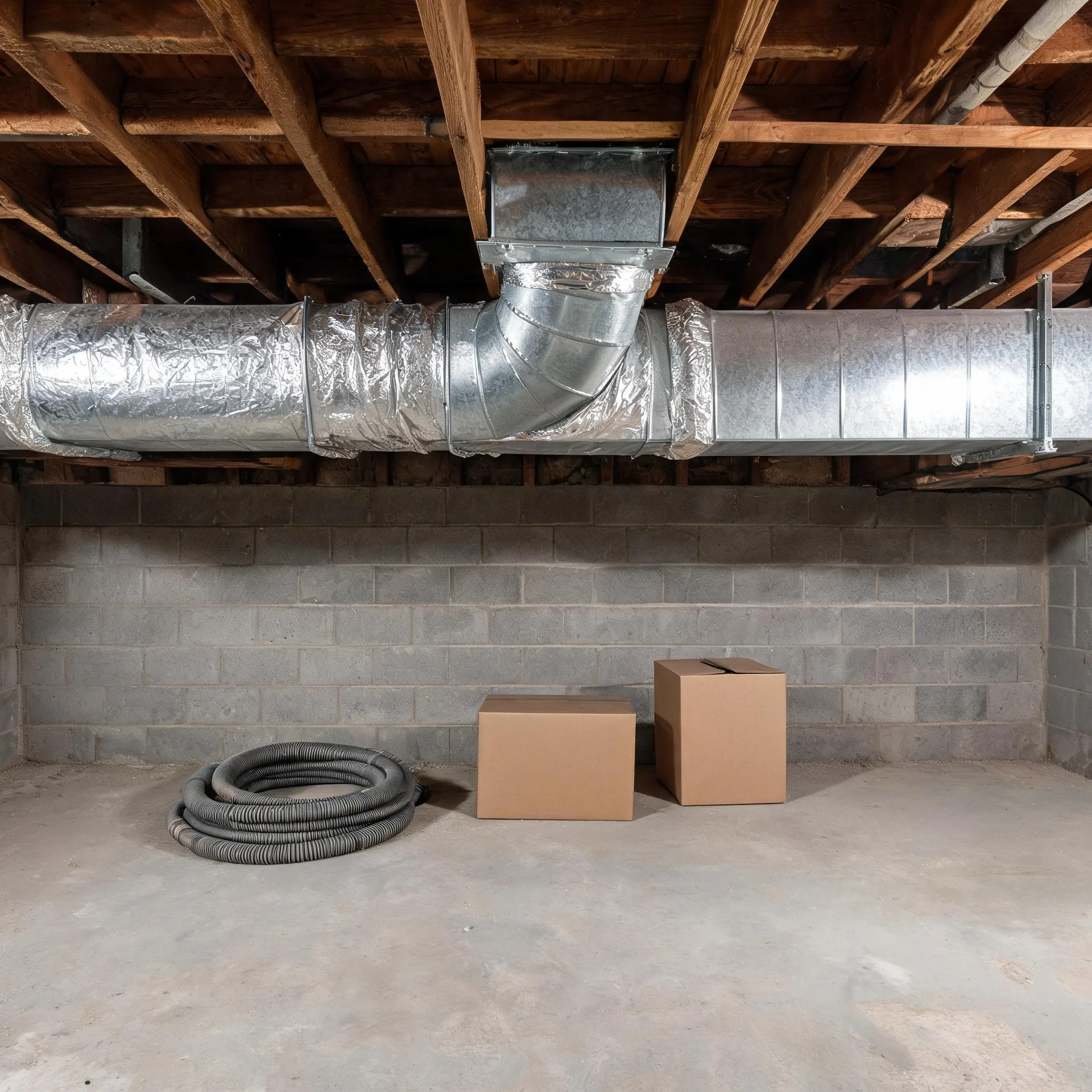
Ductwork and wiring in a house this old were put in for whatever system the original builder specified, and the furnace running in it now is not that system. Half the homes in Jennings County, Indiana were built in 1982 or earlier (2020-2024 ACS 5-year). When a unit from housing stock of this era finally breaks down and gets opened, the real question is whether the heat exchanger, control board, or burner assembly it takes is still manufactured. A contractor doing this repair quotes the labor quickly and then spends time locating the part, because that is what the job actually waits on.
The Parts of a Furnace a Contractor Checks First
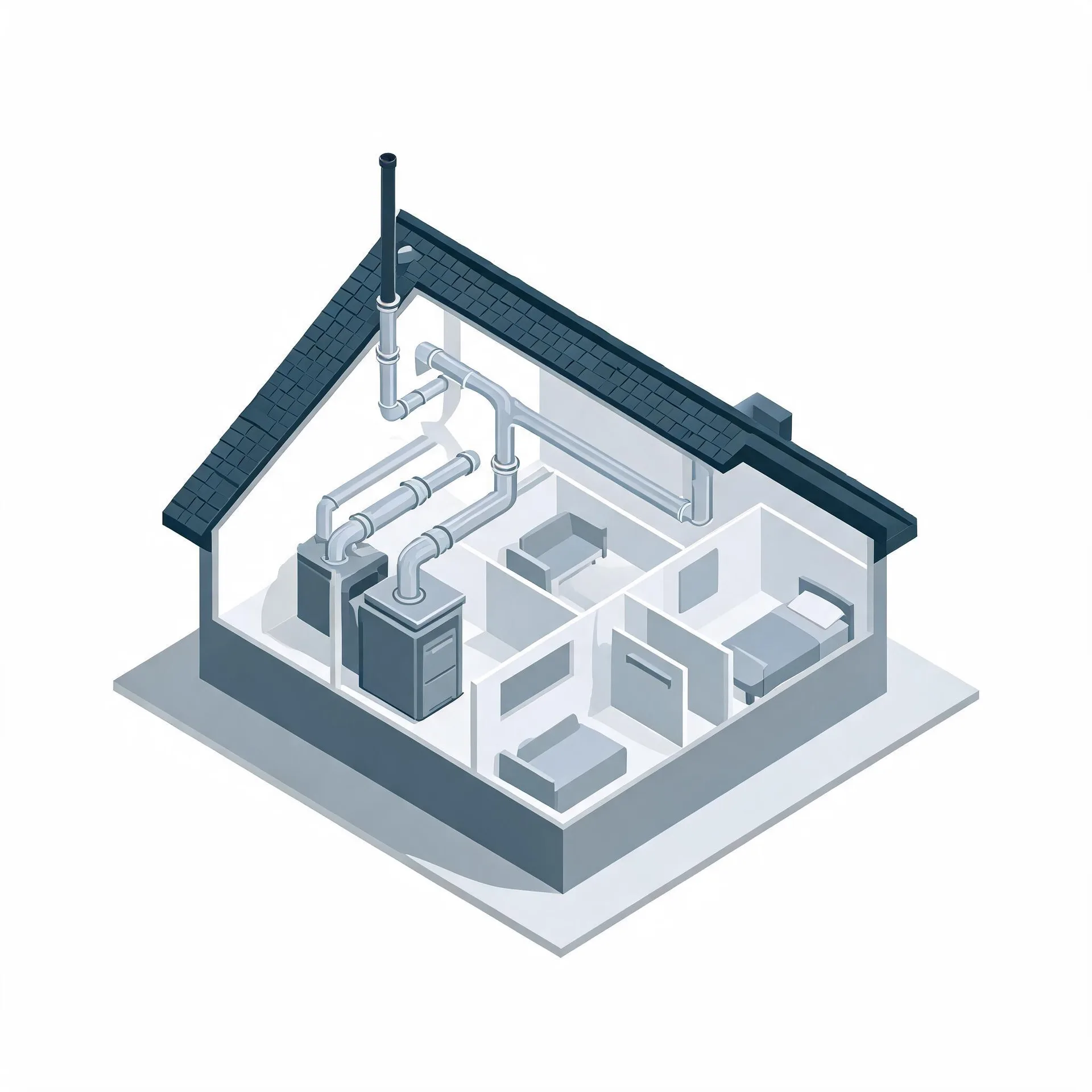
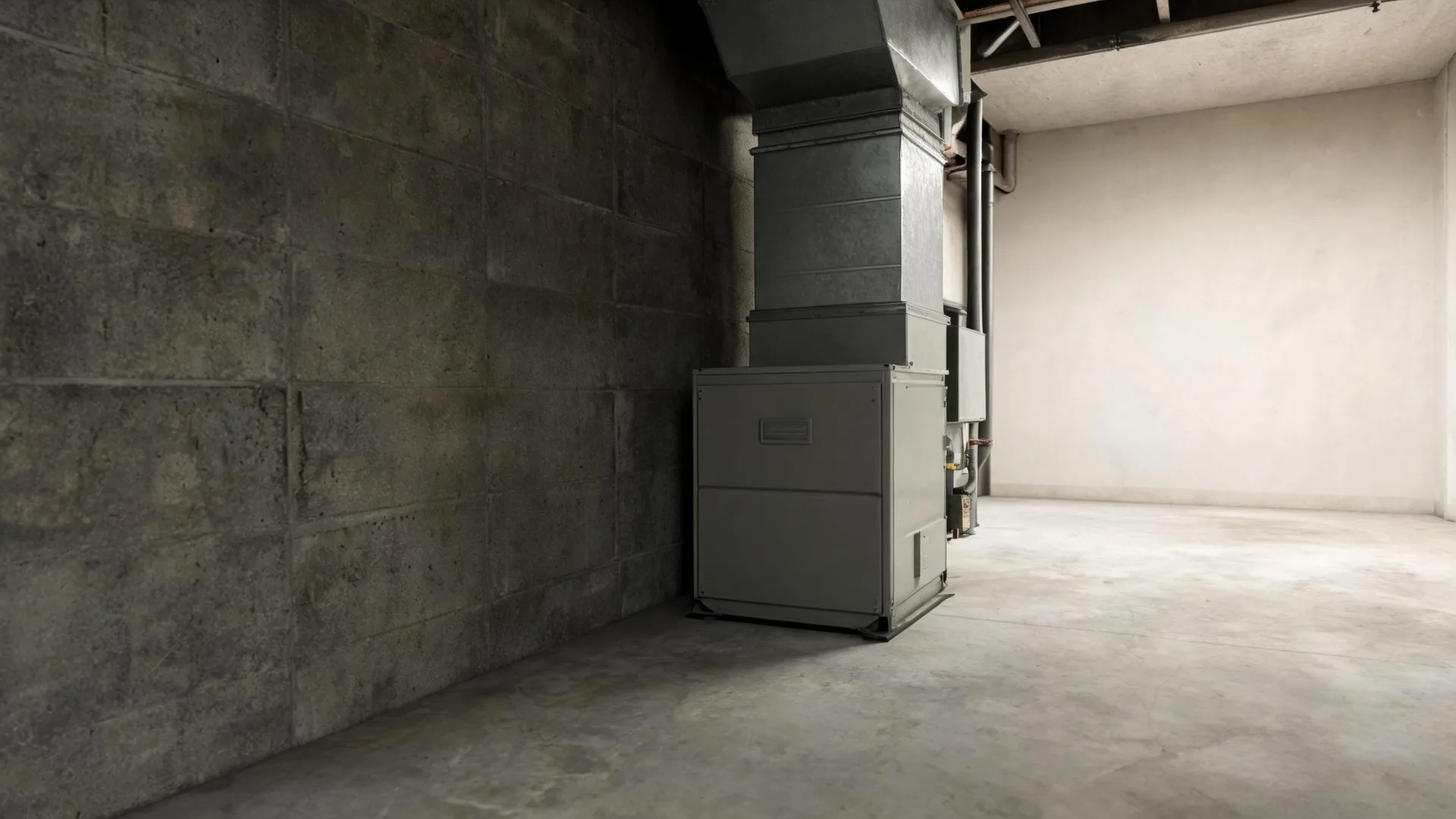
The furnace itself sits in a basement, utility room, or closet and is the piece a contractor goes to first. Inside it, the heat exchanger is the part that fails quietly and matters most: cracks there let combustion gases into the airstream. The burners, ignitor, and flame sensor are all inside that cabinet and are common sources of a furnace that won't start or won't stay lit.
The blower motor and fan sit in the lower section of the furnace cabinet and push conditioned air out through the supply side of the house. The flue pipe runs from the top of the furnace to an exterior vent and carries exhaust out. The thermostat, mounted on a wall in the living space, tells the system when to fire and is sometimes the fault when the furnace seems unresponsive.
The drawing shows a typical layout, and a licensed contractor determines which components apply to your specific system and home.
Find a contractor in Jennings CountyJennings County, by the numbers
29 severe weather events were recorded in Jennings County, Indiana between 2015 and 2024.
NOAA National Centers for Environmental Information, Storm Events Database, bulk CSV export, events 2015-01-01 through 2024-12-31.Half the homes in Jennings County, Indiana were built in 1982 or earlier (2020-2024 ACS 5-year).
U.S. Census Bureau, 2020-2024 American Community Survey 5-Year EstimatesJennings County, Indiana holds 11,731 housing units (2020-2024 ACS 5-year).
U.S. Census Bureau, 2020-2024 American Community Survey 5-Year EstimatesOwners occupy 78.8% of the occupied homes in Jennings County, Indiana (2020-2024 ACS 5-year).
U.S. Census Bureau, 2020-2024 American Community Survey 5-Year EstimatesCodes & Standards Behind Furnace Repair in Jennings County, Indiana4 sourced rules & standards
What happens when a contractor comes out for HVAC repair in Jennings County
Non-weatherized gas furnaces manufactured on or after November 19, 2015 must reach 80.0 percent AFUE.
Non-weatherized oil-fired furnaces manufactured on or after November 19, 2015 must reach 83.0 percent AFUE.
Mobile home gas furnaces manufactured on or after November 19, 2015 must reach 80.0 percent AFUE.
Non-weatherized gas furnaces manufactured on or after December 18, 2028 must reach 95.0 percent AFUE, up from the 80.0 percent minimum that applies to units manufactured before that date.
Severe Weather Events in Jennings County
Extreme weather puts real stress on heating equipment, cycling it hard through temperature swings it was not sized to ignore. How much of that a furnace has absorbed over the years is a local question, and the answer varies by county.
29 severe weather events, 2015–2024. Source: NOAA National Centers for Environmental Information, Storm Events Database.