Tell us about the job
Takes about a minute. No obligation.
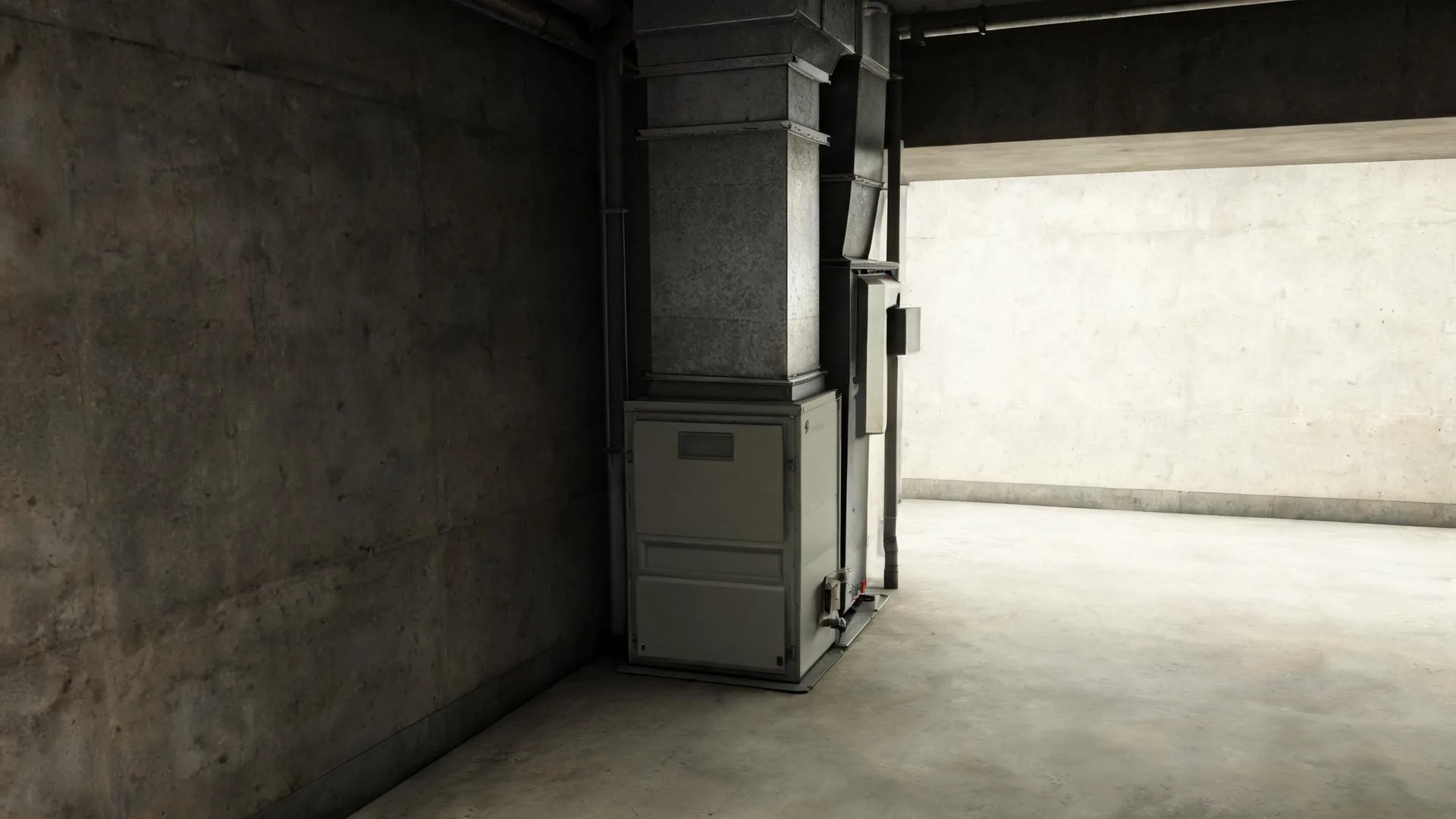
A furnace repair in Scott County starts with the system's age and service record, because those are what actually determine where it breaks down. 45 severe weather events were recorded in Scott County, Indiana between 2015 and 2024. At that rate, severe weather is a real but infrequent pressure on residential equipment, not the dominant force wearing it out season after season. A contractor diagnosing a failed heat exchanger or a cracked igniter here checks installation quality and filter changes before attributing the failure to climate load. Parts that quit in this area have usually been running past their expected service life, and that is the finding a repair quote reflects.
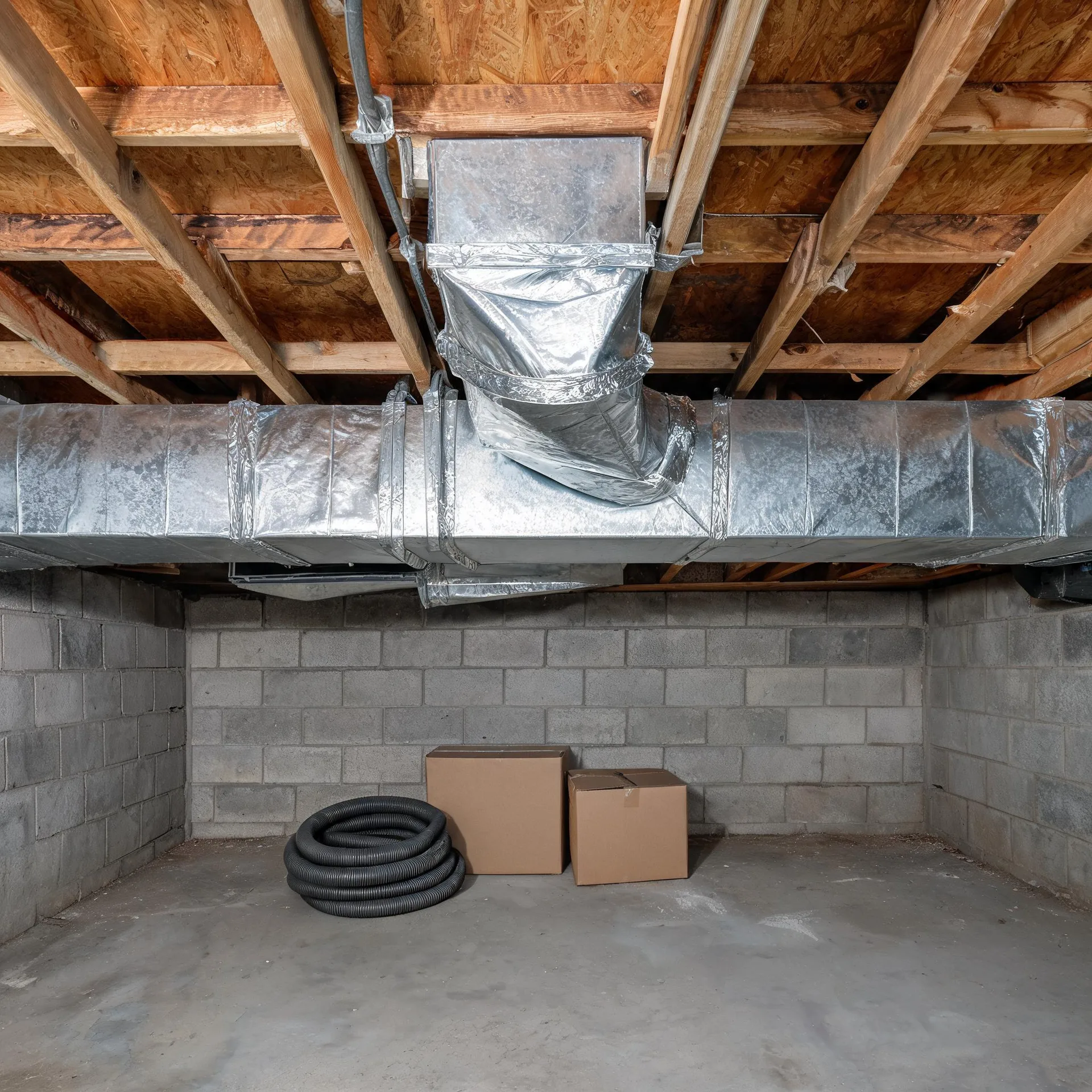
Half the homes in Scott County, Indiana were built in 1983 or earlier (2020-2024 ACS 5-year). A furnace running in a house from that era has likely been serviced and patched more than once, and what a contractor finds once the heat exchanger or control board is open often includes components that current supply chains do not carry. That is not a small detail on a repair job. When a part is obsolete, the contractor has to weigh a sourced substitute against a larger scope of work, and that decision changes what the homeowner is actually pricing.
The Parts of a Furnace a Contractor Checks First
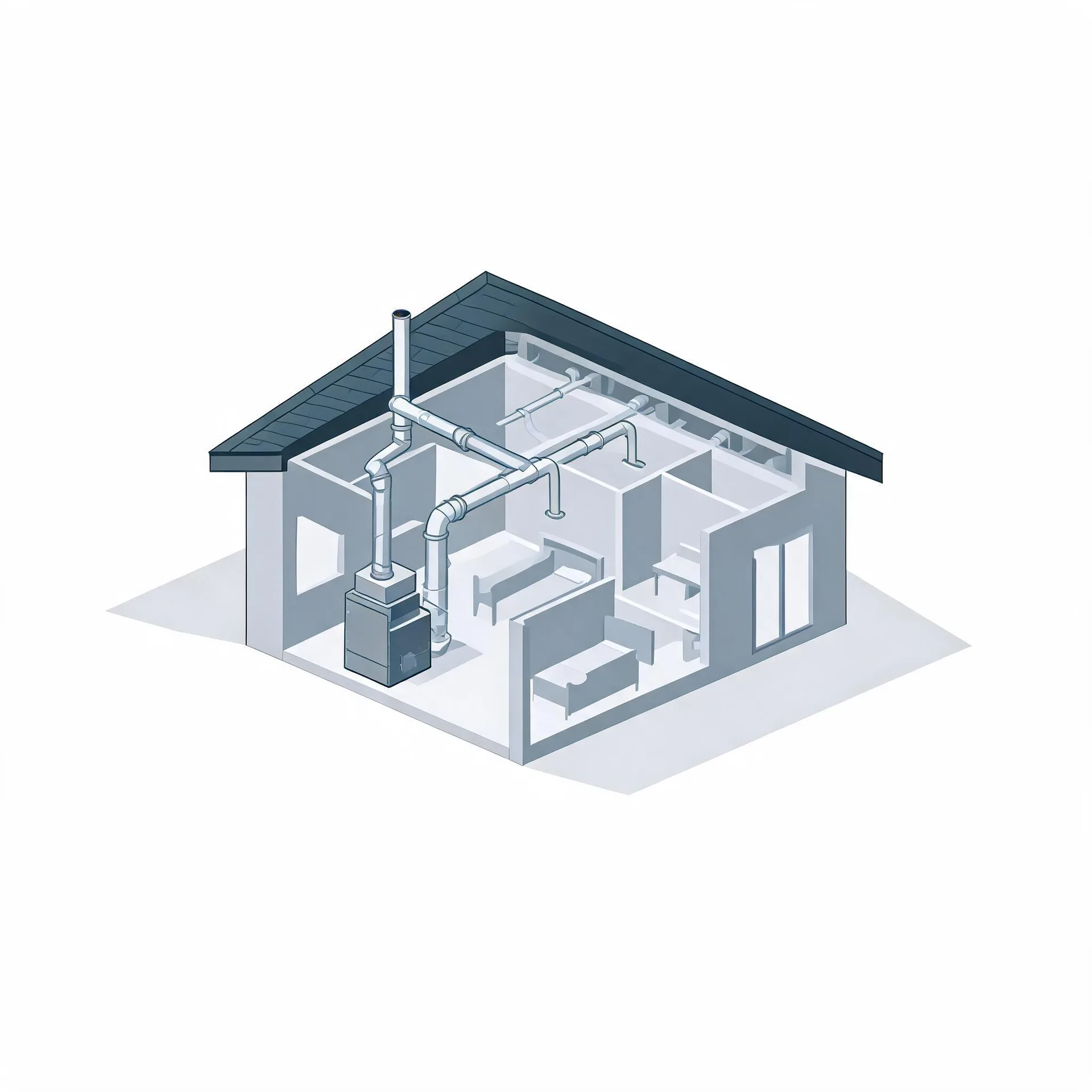
The heat exchanger sits at the core of the furnace cabinet in the basement or utility room. It is the first place a contractor looks when a furnace runs but fails to heat, because cracks there let combustion gases into the living space. The burners sit just below it and are checked when ignition is weak or the flame pattern is wrong.
The blower motor and its wheel sit at the base of the cabinet and push conditioned air into the supply plenum. The inducer motor sits at the top of the heat exchanger and pulls combustion gases out through the flue. The control board ties all of these together, and a contractor reads its fault codes before touching anything else.
The drawing shows a general layout of the system, and a licensed contractor determines which parts apply and what condition they are in for your specific house.
Find a contractor in Scott CountyScott County by the numbers
45 severe weather events were recorded in Scott County, Indiana between 2015 and 2024.
NOAA National Centers for Environmental Information, Storm Events Database, bulk CSV export, events 2015-01-01 through 2024-12-31.Half the homes in Scott County, Indiana were built in 1983 or earlier (2020-2024 ACS 5-year).
U.S. Census Bureau, 2020-2024 American Community Survey 5-Year EstimatesScott County, Indiana holds 10,840 housing units (2020-2024 ACS 5-year).
U.S. Census Bureau, 2020-2024 American Community Survey 5-Year EstimatesOwners occupy 70.9% of the occupied homes in Scott County, Indiana (2020-2024 ACS 5-year).
U.S. Census Bureau, 2020-2024 American Community Survey 5-Year EstimatesCodes & Standards Governing Furnace Repair in Scott County, Indiana4 sourced rules and standards
What the repair visit looks like
Non-weatherized gas furnaces manufactured on or after November 19, 2015 must reach 80.0 percent AFUE.
Non-weatherized oil-fired furnaces manufactured on or after November 19, 2015 must reach 83.0 percent AFUE.
Mobile home gas furnaces manufactured on or after November 19, 2015 must reach 80.0 percent AFUE.
Non-weatherized gas furnaces manufactured on or after December 18, 2028 must reach 95.0 percent AFUE, up from the 80.0 percent minimum that applies to units manufactured before that date.
Severe Weather Events in Scott County
Heating equipment in Scott County works against whatever the local climate throws at it, and weather stress shortens the life of components and raises the odds of a breakdown. Repair demand here follows local conditions, which is why the record below is relevant.
45 severe weather events, 2015–2024. Source: NOAA National Centers for Environmental Information, Storm Events Database.