No heat, no guesswork
A dead furnace in January doesn't wait for you to shop around. Get matched with a contractor who handles Indiana furnace repairs and skip the round of calls.

A furnace that won't start on a cold morning is usually stopped by one small part, not the whole system. Most gas furnaces now light with an igniter instead of a standing pilot, and that igniter is a common failure point. A cracked igniter, a flame sensor coated with residue, or a dirty filter choking airflow will all make the furnace shut itself down before it ever produces heat. The control board is built to do this on purpose. If it doesn't sense a flame, or if a safety switch reads too little airflow, it cuts the gas rather than risk it. A thermostat set wrong or batteries gone dead can look like the same problem from the living room. In Indiana, where the furnace is what keeps the house livable through the winter, a no-start is worth sorting out fast, since the cause ranges from a five-minute reset to a part that needs replacing.
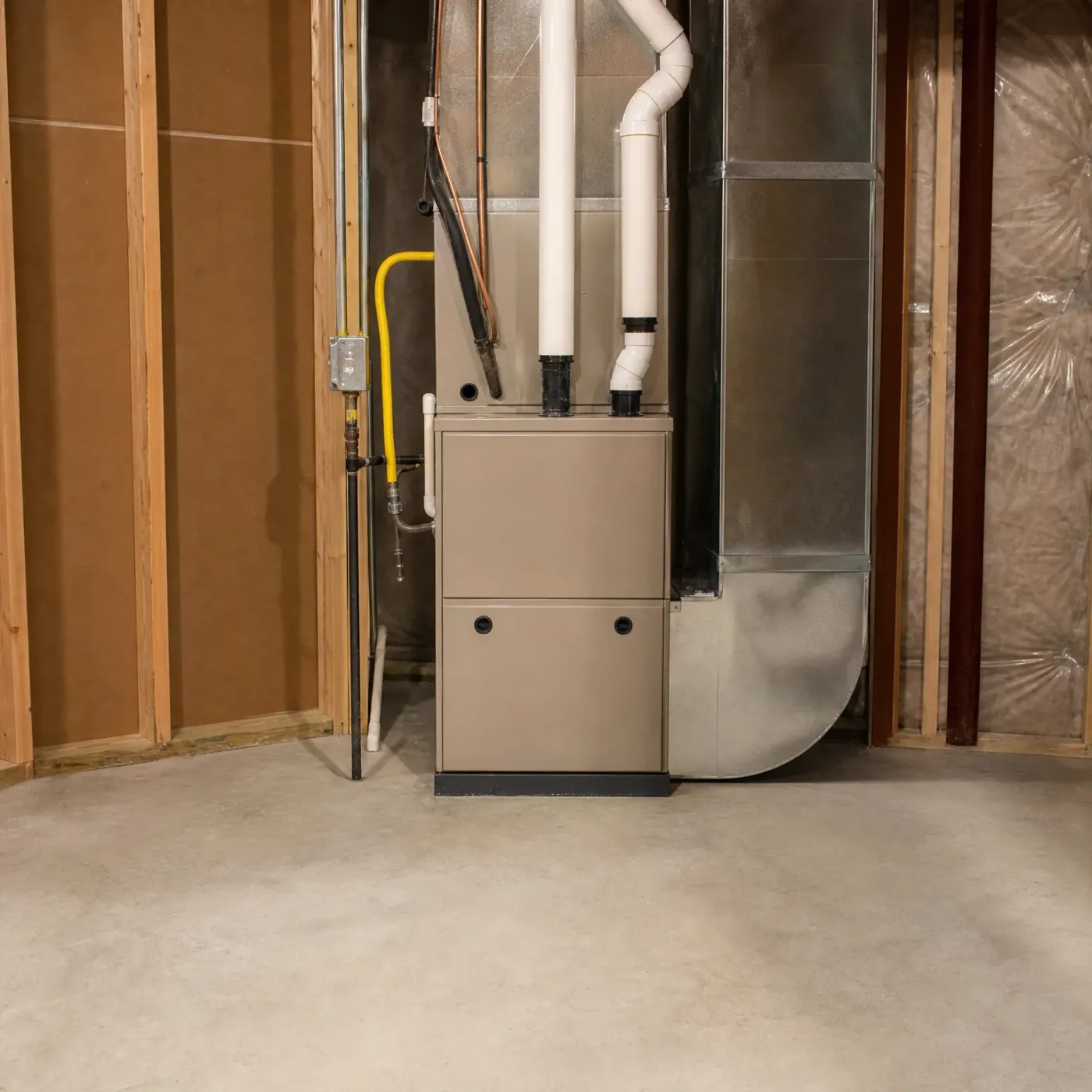
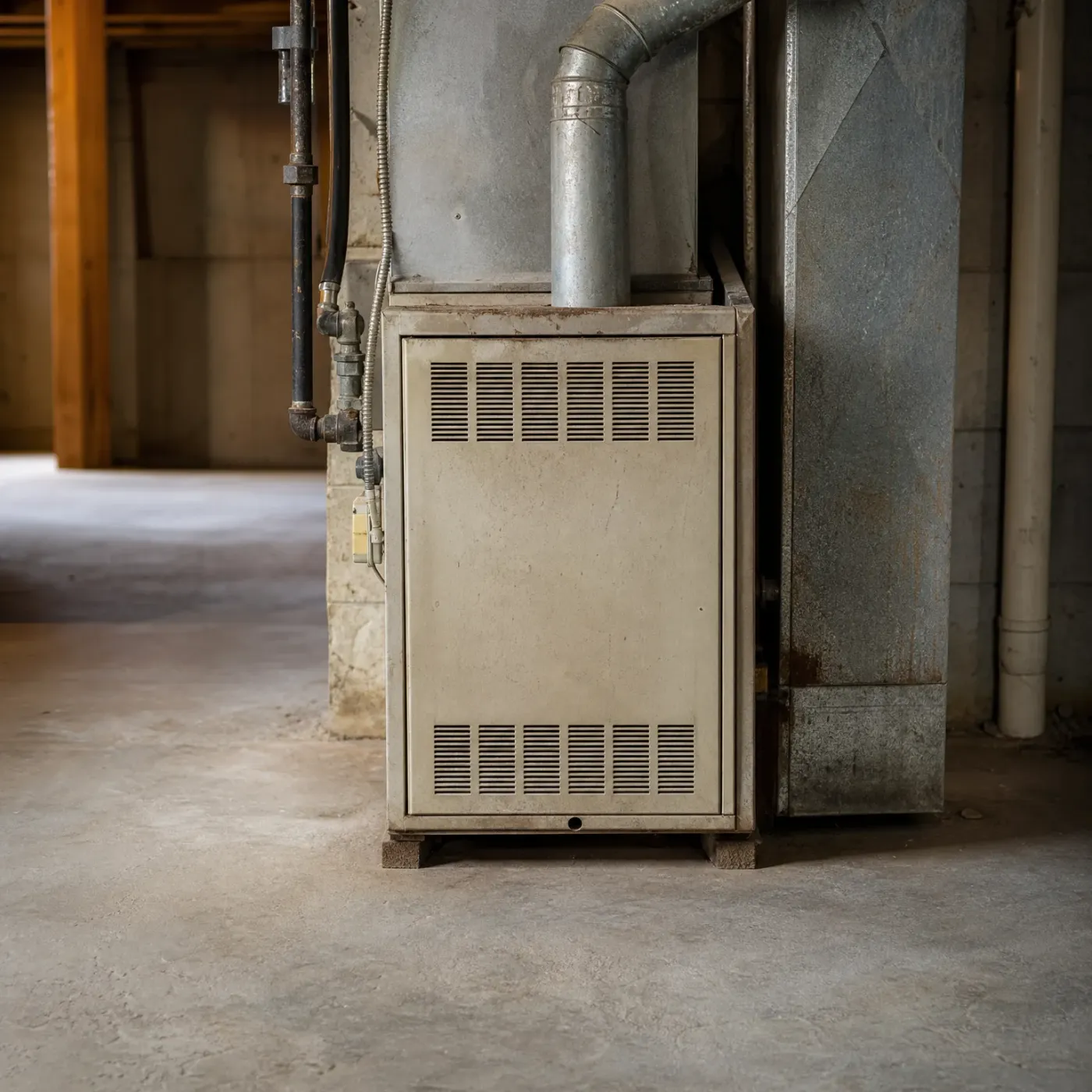
Nothing happens all at once. The thermostat asks for heat, and the circuit board runs through a short list of checks before it lets gas anywhere near a flame. First it looks at the limit switch and the pressure switch, confirming the draft inducer motor is actually pulling air the way it should. Only then does power reach the igniter, which has to heat up and hold a set resistance for about 15 to 20 seconds. Once the gas valve opens, a separate thin rod called the flame sensor has to detect current within a few seconds, proving there's real fire and not just gas flowing. If that sensor is coated with residue, the board reads it as no flame at all, even with the burner lit. The board will try this sequence a few more times before it gives up and locks out, blinking an error code near the access panel. Each of those steps is a place the whole process can stop cold.


A dead furnace in January doesn't wait for you to shop around. Get matched with a contractor who handles Indiana furnace repairs and skip the round of calls.
If the board never gets a reading from the pressure switch or flame sensor, it shuts the furnace down rather than risk running it unsafe.




The thermostat is set where it always is, but the house keeps dropping a degree at a time. The furnace stays quiet instead of kicking on, or you hear the inducer motor try and give up before the burners ever light. On a single-digit night that gap shows up fast, in cold floors and a bedroom that won't hold heat. Some homes have a backup source to lean on. Most don't, and the drop just continues until something is done about the part that's failing.
A furnace that won't fire isn't resting, it's stuck on a safety check it can't pass, and it will keep failing that check until the part behind it is replaced. Left alone overnight in an Indiana winter, that means pipes with no heat around them and a house that keeps losing ground. Troubleshooting it yourself means pulling the panel off and guessing at a part you can't always see well. Calling around for someone who can look at it tonight, instead, is the part most people don't have patience for at 10 PM.
At 22°F, a furnace isn't idling, it's running close to full output most of the night to hold the house steady. A failed igniter or a stuck pressure switch doesn't just mean a cold morning, it means the house starts losing ground fast once the burners stop firing.
NOAA nClimDiv 1991-2020 county normals weighted by homes
A furnace that short cycles, turning on and shutting off within a minute or two, is still working harder than one that stays off. Every restart runs the inducer motor through its startup check again, and a board that keeps tripping on the same fault will eventually lock out for good.
A furnace that won't start at all has already failed that same check once and stopped trying. Nothing restarts on its own from there. It waits for a thermostat reset or a repair before it attempts another call for heat.
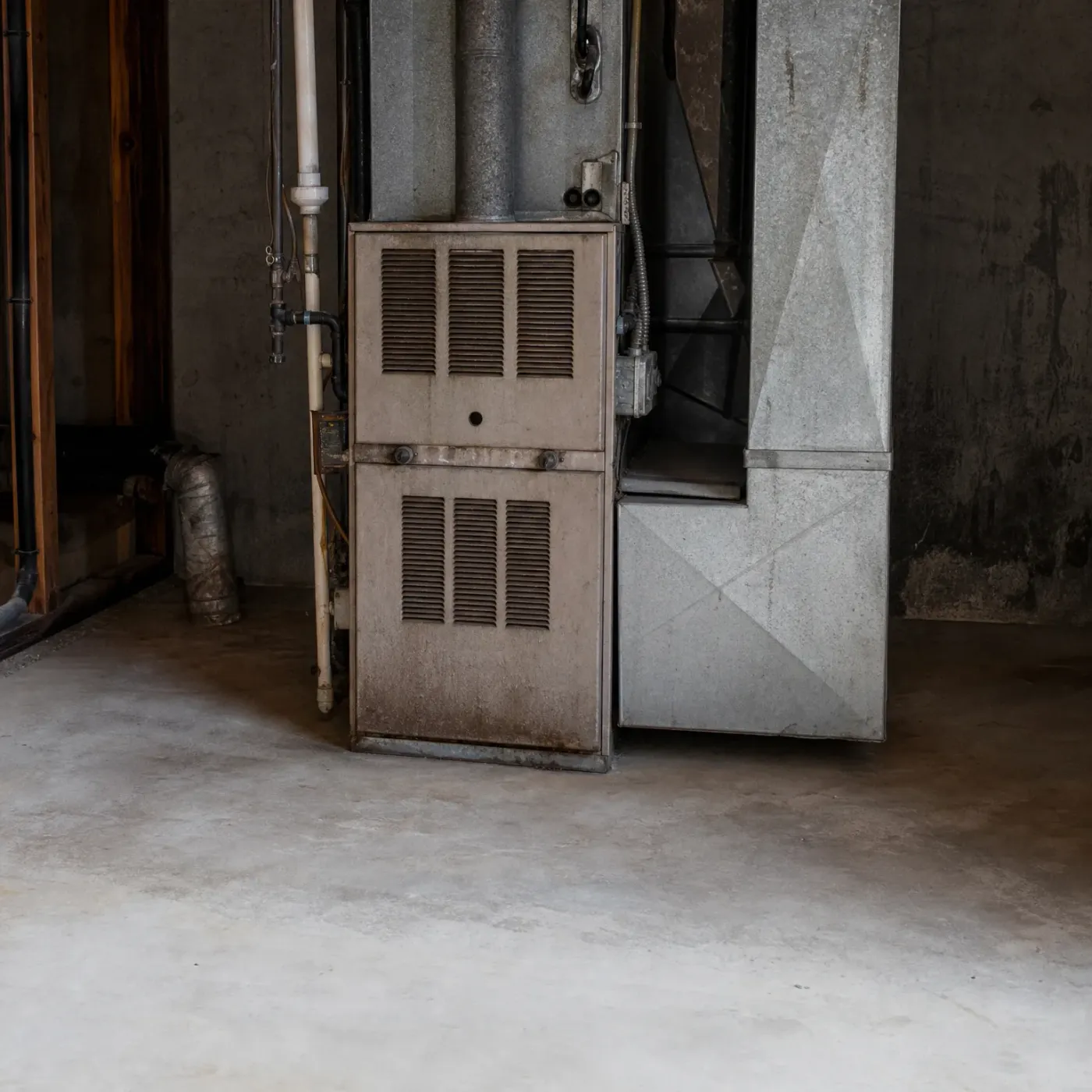
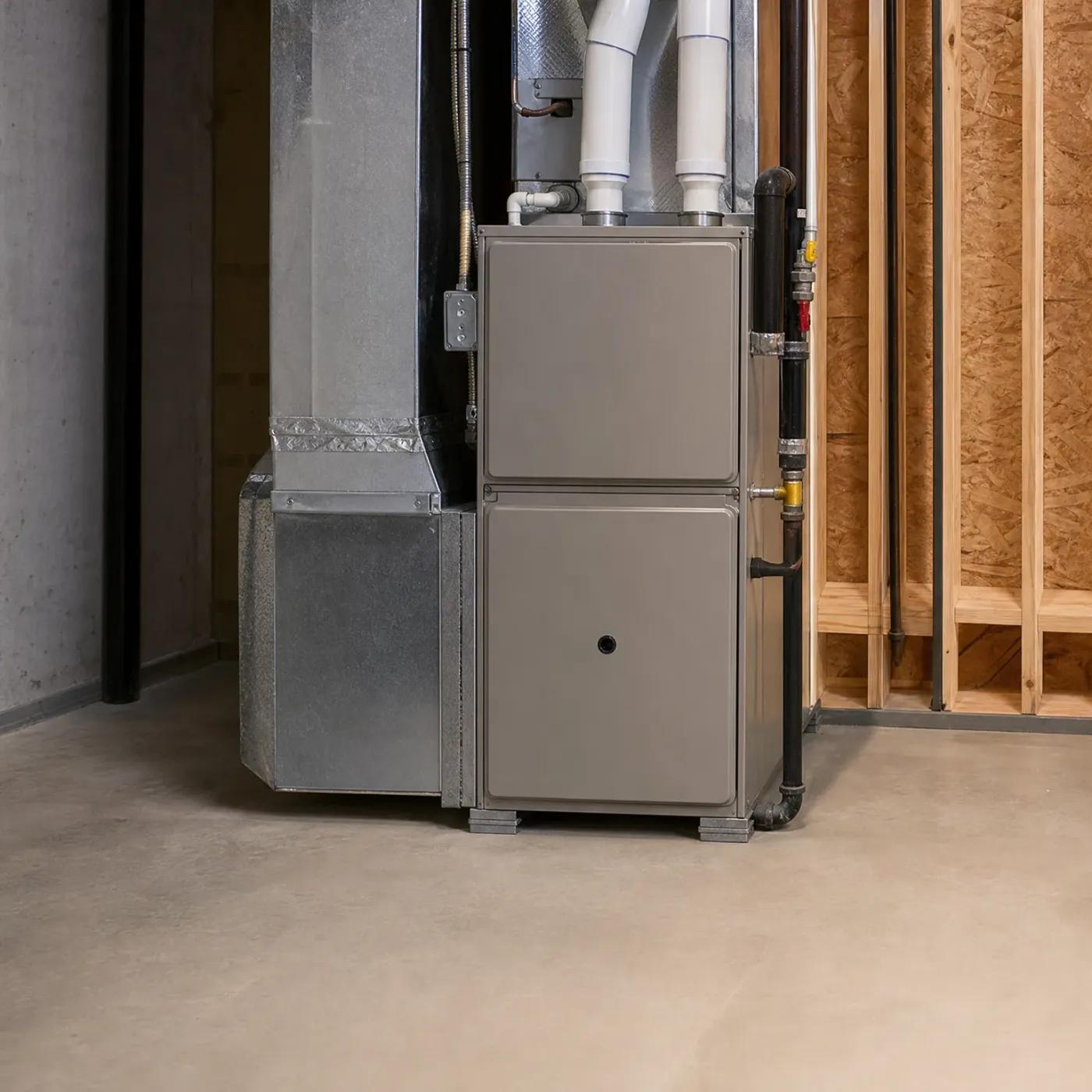
A furnace that won't fire on a morning like this doesn't fix itself, and it rarely waits for a convenient day. Once you know it's the igniter, the pressure switch, or the board behind them, the next question is who can get out to look at it. That usually means an hour of calling around Indiana furnace companies, explaining the same symptoms each time, waiting on callbacks, then weighing quotes that aren't really comparing the same thing. Getting matched here skips that. One contractor who handles this kind of repair gets your request and reaches out to you, so you're not working the phones while the house keeps losing heat. With the furnace already struggling to keep up on a cold night, the hours spent sorting through options are hours the house doesn't have. Handing that part off now means the only thing left to deal with is the furnace itself.
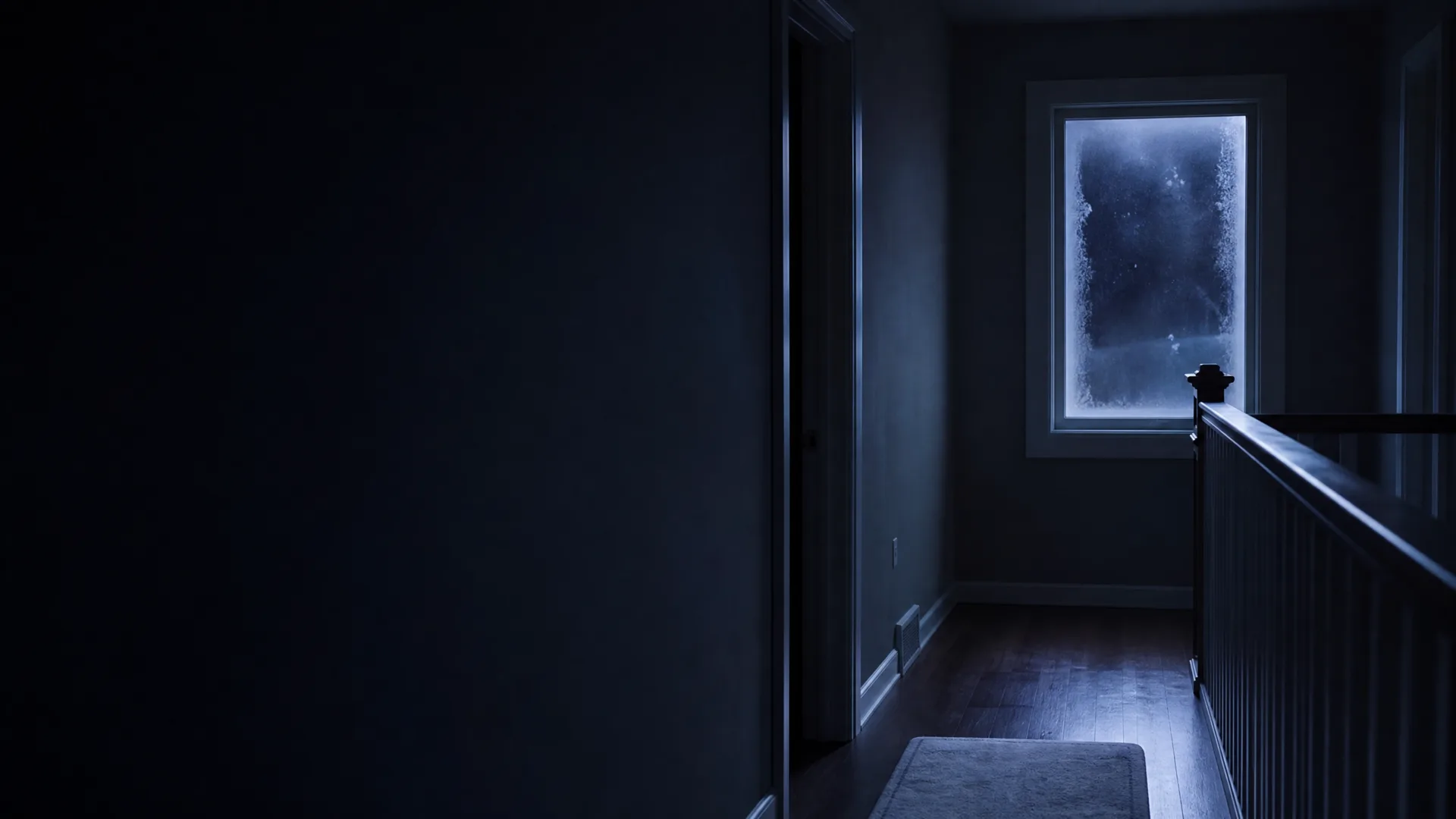
You wake up without knowing why, and the house is too quiet. It's a little after 2 a.m. The hallway floor is cold through your socks, and the vent by the stairs isn't pushing any air at all, not even the usual low hum. Frost has crept along the bottom edge of the hallway window, a thin white line in the dark. Outside it's deep January cold, the kind Indiana gets a few times every winter. The thermostat light glows down the hall, dim and blue, same as it always does. The furnace should have caught by now. It hasn't.
Check the thermostat and it still reads 68, but the room doesn't feel like it. Bedrooms on the far side of the house go cold first, then the hallway, then everywhere. You might catch the furnace trying, a click and a hum from the inducer motor, then nothing. Or it stays completely silent and the only sound in the house is the wind outside. A furnace that can't hold the set temperature on a night in the teens or single digits isn't cycling normally anymore, it's losing the fight. Left alone over a few nights like that, pipes along outside walls are the first thing at risk once the house can't stay above freezing room to room.
The thermostat calls for heat and the board wakes up.
The draft inducer motor starts and clears the exhaust path.
The pressure switch confirms suction before anything else happens.
The igniter heats up or the pilot lights the burners.
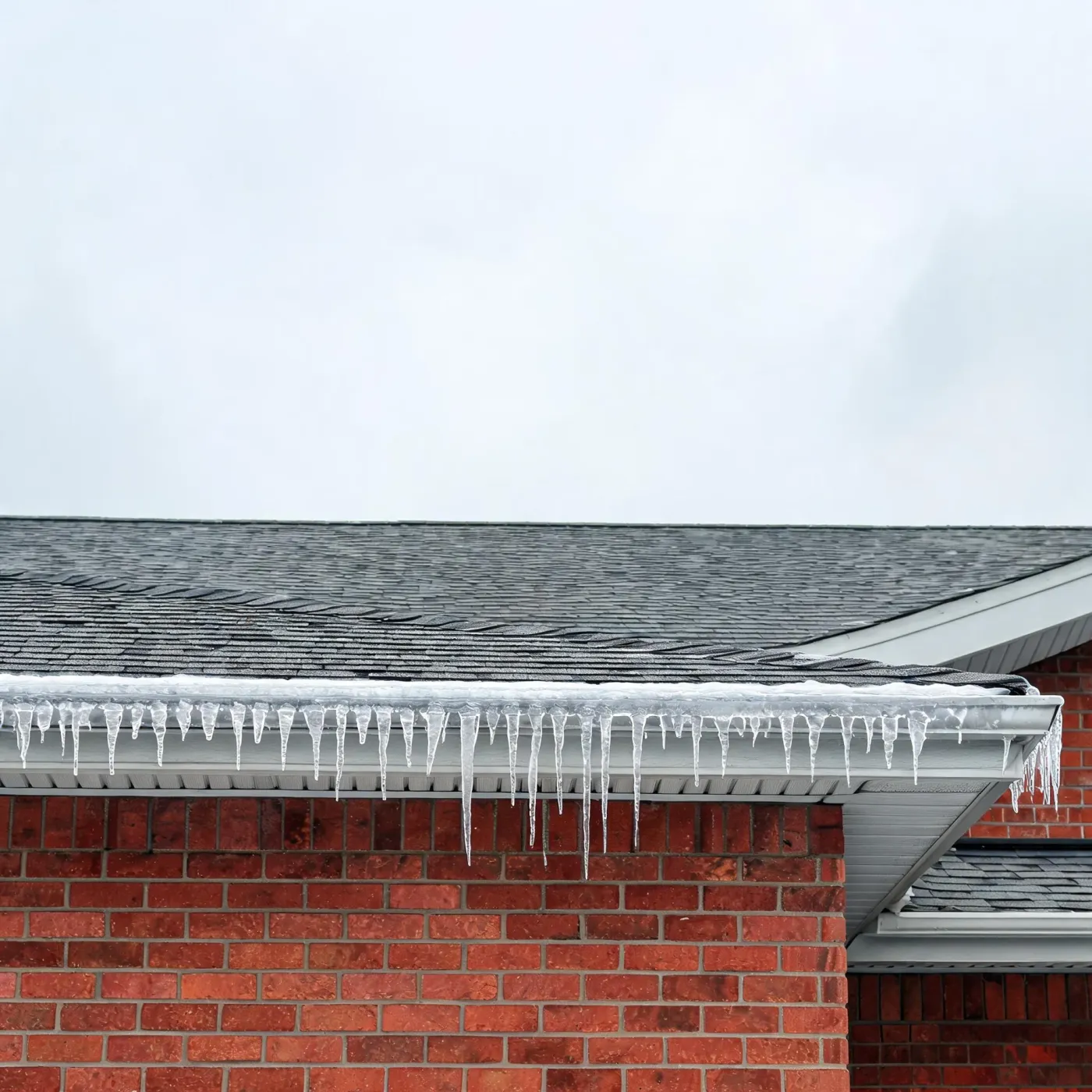
Winter nights average 22°F statewide, per National Weather Service data, and that's the stretch where a furnace can't afford to misfire. At that temperature it runs close to full output for hours at a stretch, cycling less and pushing harder each time it does fire. A furnace with a marginal igniter or a pressure switch that's starting to stick might have gotten away with it in October. At 22°F overnight, that same weak part is more likely to fail on the next call for heat, and you're the one who finds out when the house won't hold 68.
NOAA nClimDiv 1991-2020 county normals weighted by homes

A cold igniter, a tripped pressure switch, a board that won't move past its checks. That's most of what stops a furnace on a hard morning, not a system falling apart all at once. Once you know which one it is, the fix is narrow. Finding it is the part that takes a trained eye.
You don't have to spend the evening searching listings, calling around, and explaining the same cold house story to every voice that answers. Get matched with a contractor who works on Indiana furnaces, and let them call you back instead. You've already done the hard part, knowing what's wrong. The rest is one conversation, not five.

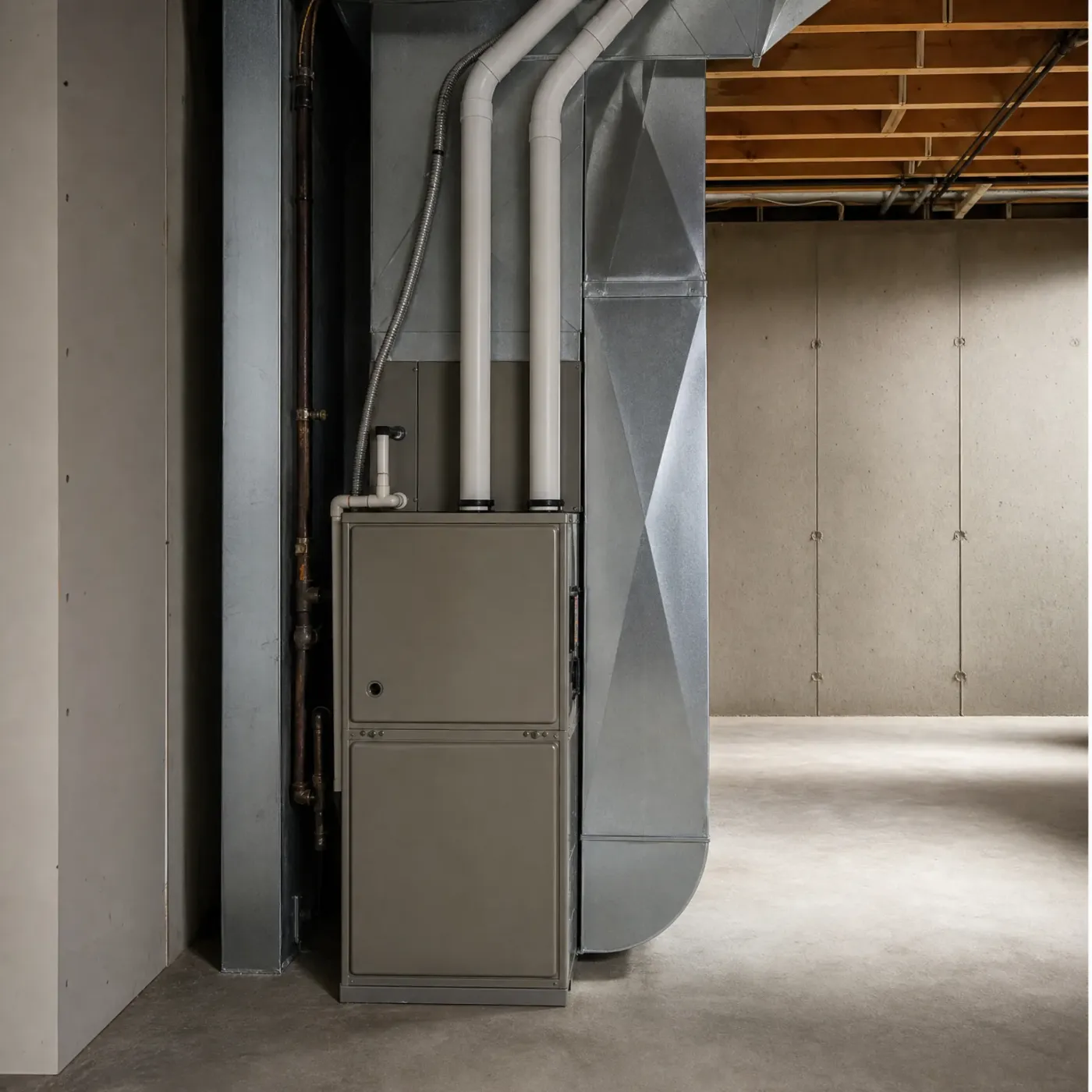
Skip searching for a furnace pro and answer a few questions instead.
Asking costs nothing, and the choice to hire stays yours.