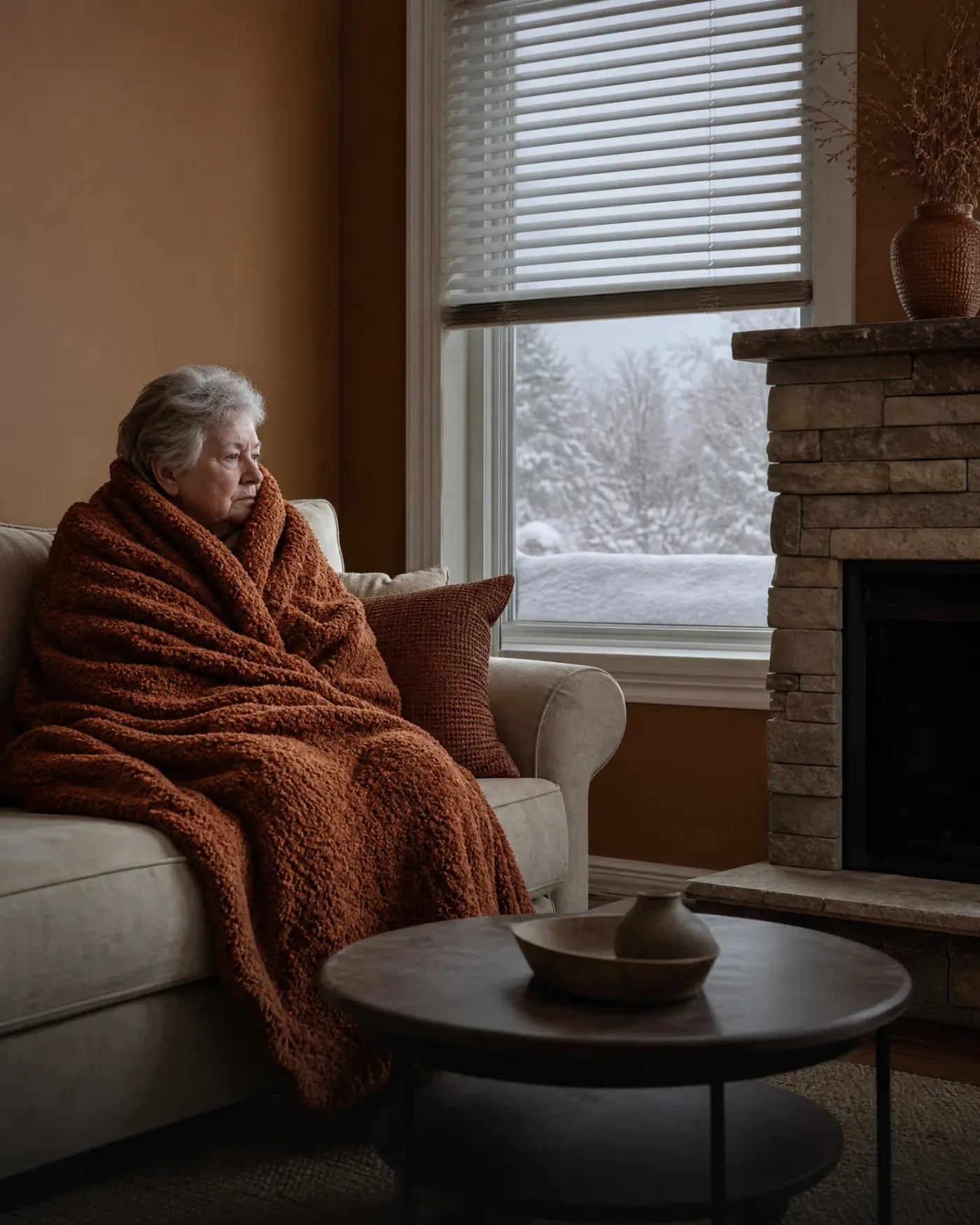




Why one room stays cold in an Indiana winter

Step 1 of 3: Equipment

That one cold room usually isn't getting enough air from the furnace. Ductwork splits into branches to reach every room, and the branch feeding that room is often longer, pinched, or routed through an unheated attic or crawl space where the air loses heat before it arrives. Sometimes it's simpler: a closed or blocked vent, or a return nowhere near that part of the house, so the furnace never pulls cold air back out to reheat it. Indiana winters push a furnace hard for months, and a room that runs a few degrees cold in October can feel unlivable by January. It also tends to be the room farthest from the furnace or on the north side, with more exterior wall exposed to the cold outside. None of this means the furnace is failing. It means the heat isn't reaching that one room the way it should, and that's something a furnace repair technician can track down and fix.

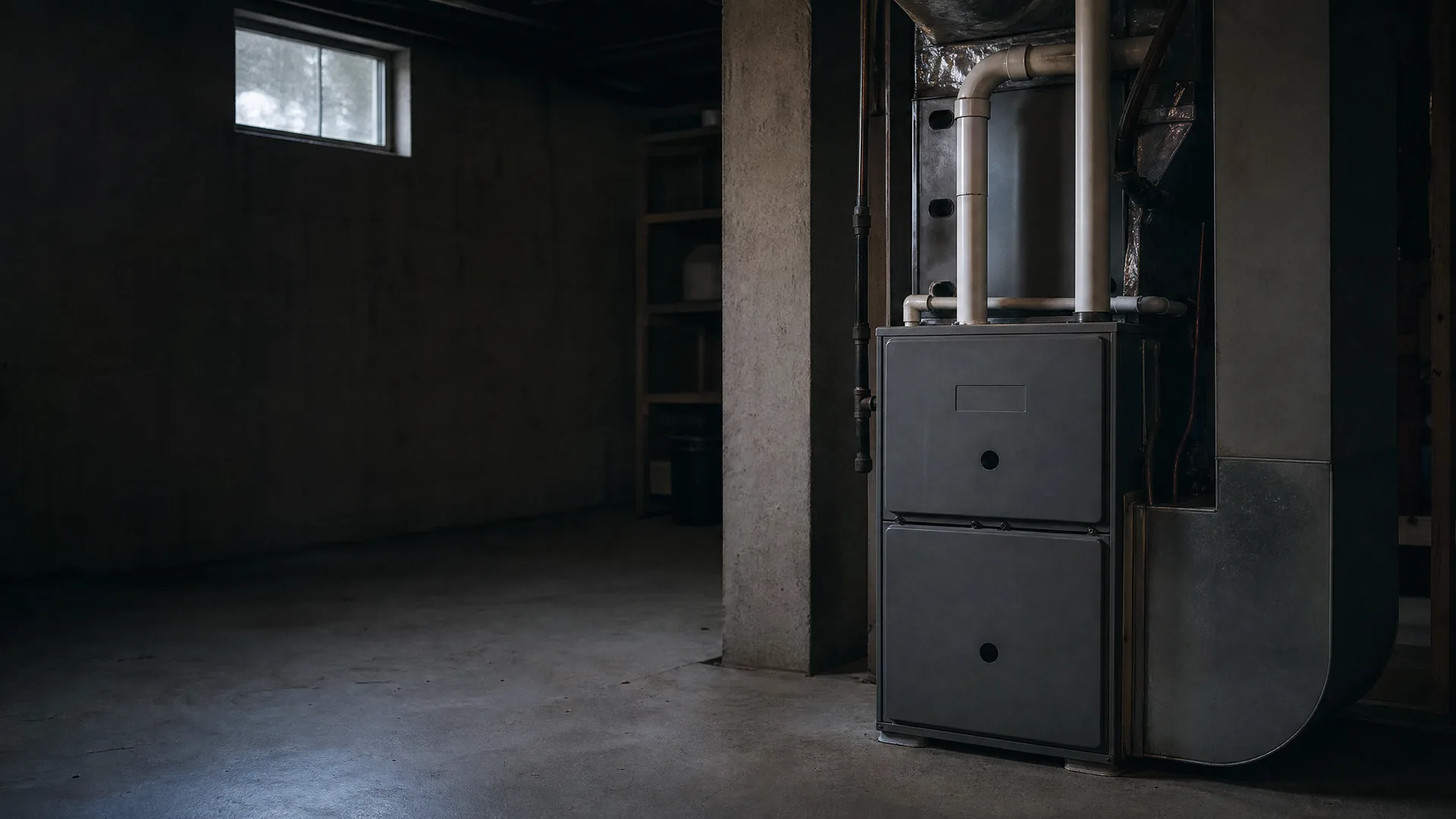
A gray high-efficiency furnace with white PVC vent pipes and attached ductwork stands beside a concrete support column in a dim, empty basement with bare concrete walls and floor and a small window.

You're down in the basement around six, after dark already this time of year. The furnace sits there and it's not running, not even the fan. No hum, no warm smell of dust burning off the heat exchanger. Just cold metal and a thin haze hanging in the air from the last cycle before it quit. Upstairs someone already mentioned the back bedroom feels worse than usual tonight, colder than a vent problem alone would explain. You came down expecting to hear it kick on. Instead it's quiet, and November outside the little basement window is already full dark at six o'clock.

Why does my furnace run fine but one room still won't heat up?

Why does my furnace run fine but one room still won't heat up?

That room isn't getting its share of the air the furnace is already making

A furnace that cycles normally and heats the rest of the house is proof the equipment itself is working. The problem is downstream, in the ductwork. Air takes the path of least resistance, so a branch duct that's longer, has more bends, or runs through an unconditioned attic or crawl space will always deliver less heat than a short, straight run to a room near the furnace. A damper that's partly closed, a duct that's come loose at a joint, or a return that's blocked can do the same thing. None of that shows up as a furnace problem, because the furnace is doing its job. It just isn't getting evenly distributed.

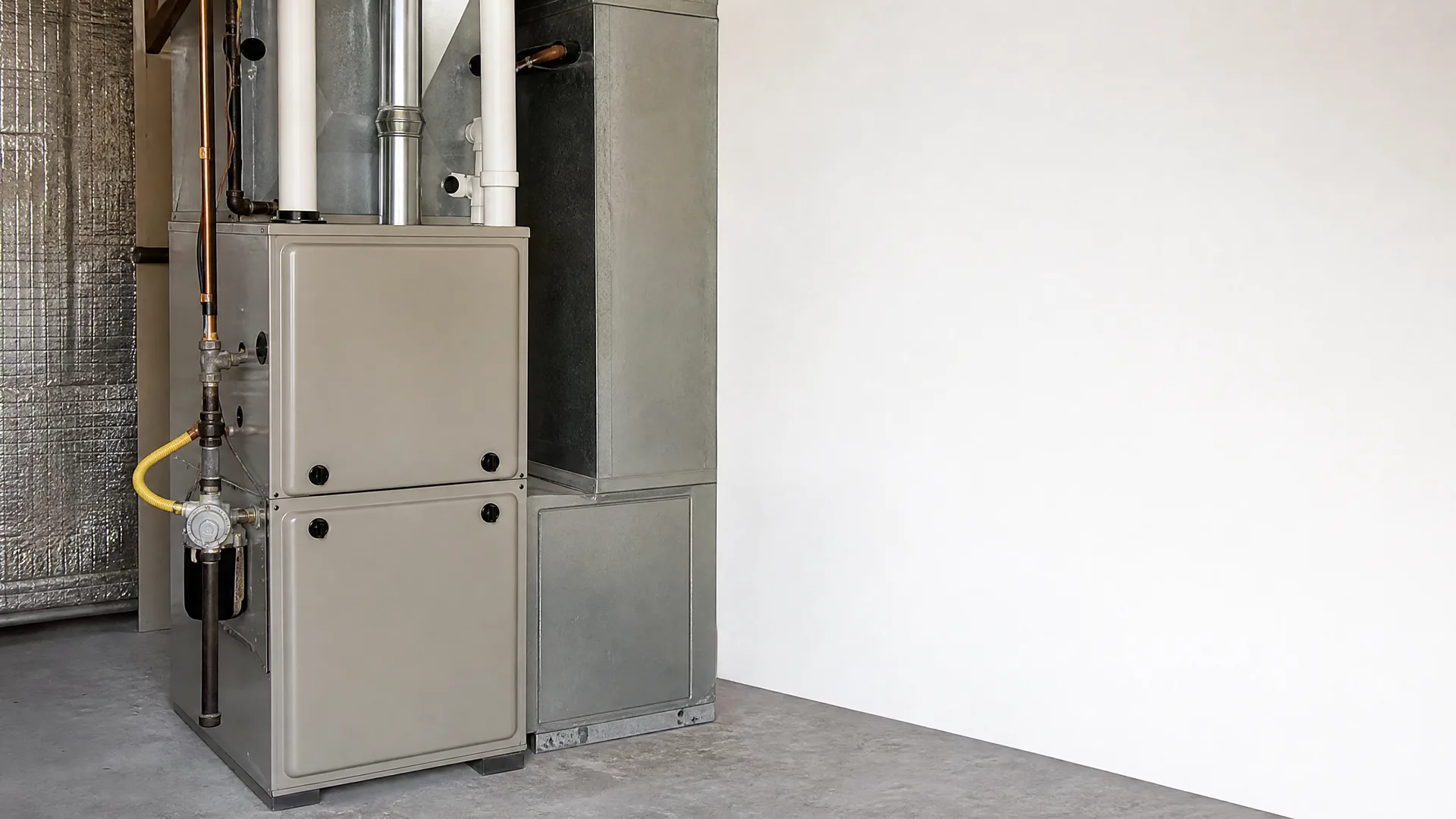
A beige residential gas furnace with white PVC vent pipes, copper and yellow gas lines, and adjacent sheet-metal ductwork stands on a concrete floor beside a plain white wall.

Where the duct run matters

A duct that runs through a crawl space or attic in Indiana loses heat through its walls before the air ever reaches the register. The longer that run, the more it cools on the way. A room at the far end of the house, especially one above a garage or over a crawl space, sits at the end of the longest run in the system, and that's usually the room that stays cold.

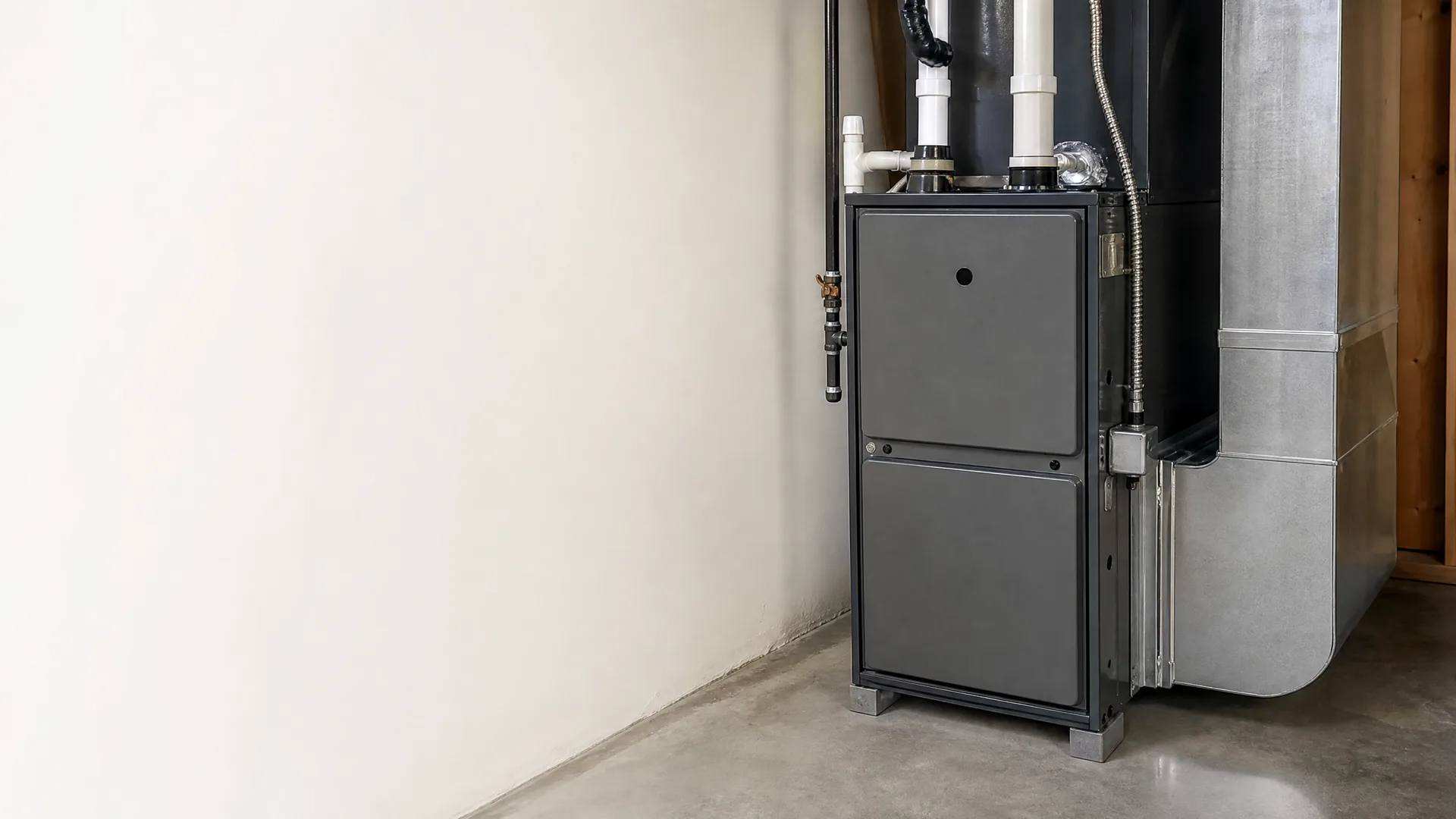
A gray high-efficiency furnace with white PVC vent pipes and metal ductwork stands on a concrete floor beside a plain off-white wall in a basement.

What a damper changes

Many duct systems have dampers, small handles on the branch lines near the furnace, that balance how much air goes to each room. If one got closed or partly closed, whether from past work on the system or just over time, the rooms past it get less air than the rest. A contractor can check these dampers and open the one feeding your cold room without touching anything else.

Is it just this one room, or something more?

You've probably already shut the door to keep the cold in that one room from reaching the rest of the house. Maybe you've put a space heater in there, or told the kids to wear socks to bed. The vent might feel like it's barely pushing air, even with the furnace running everywhere else. If you hold your hand near the register, you get a trickle, not a steady flow. Left alone, that room stays in the 50s while the rest of the house sits comfortably warm, and anyone who spends time in it, working, sleeping, or just passing through, feels it every time they walk in.

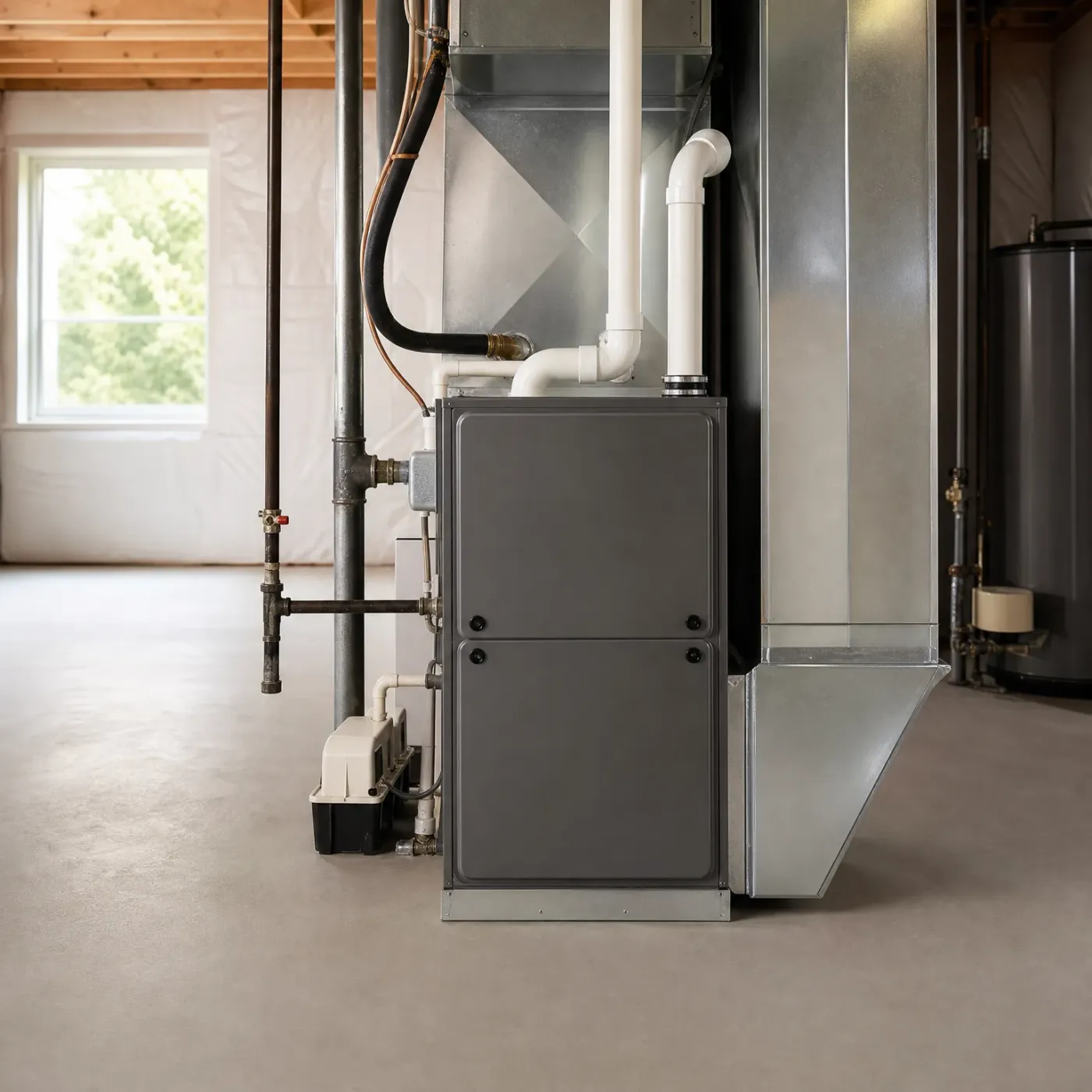
A gray high-efficiency furnace in a basement with sheet-metal ductwork, white PVC vent pipes, metal plumbing lines, a condensate pump on the floor, and a window showing green trees outside.
The furnace runs its cycle and warm air reaches every register, including the one in that cold room.
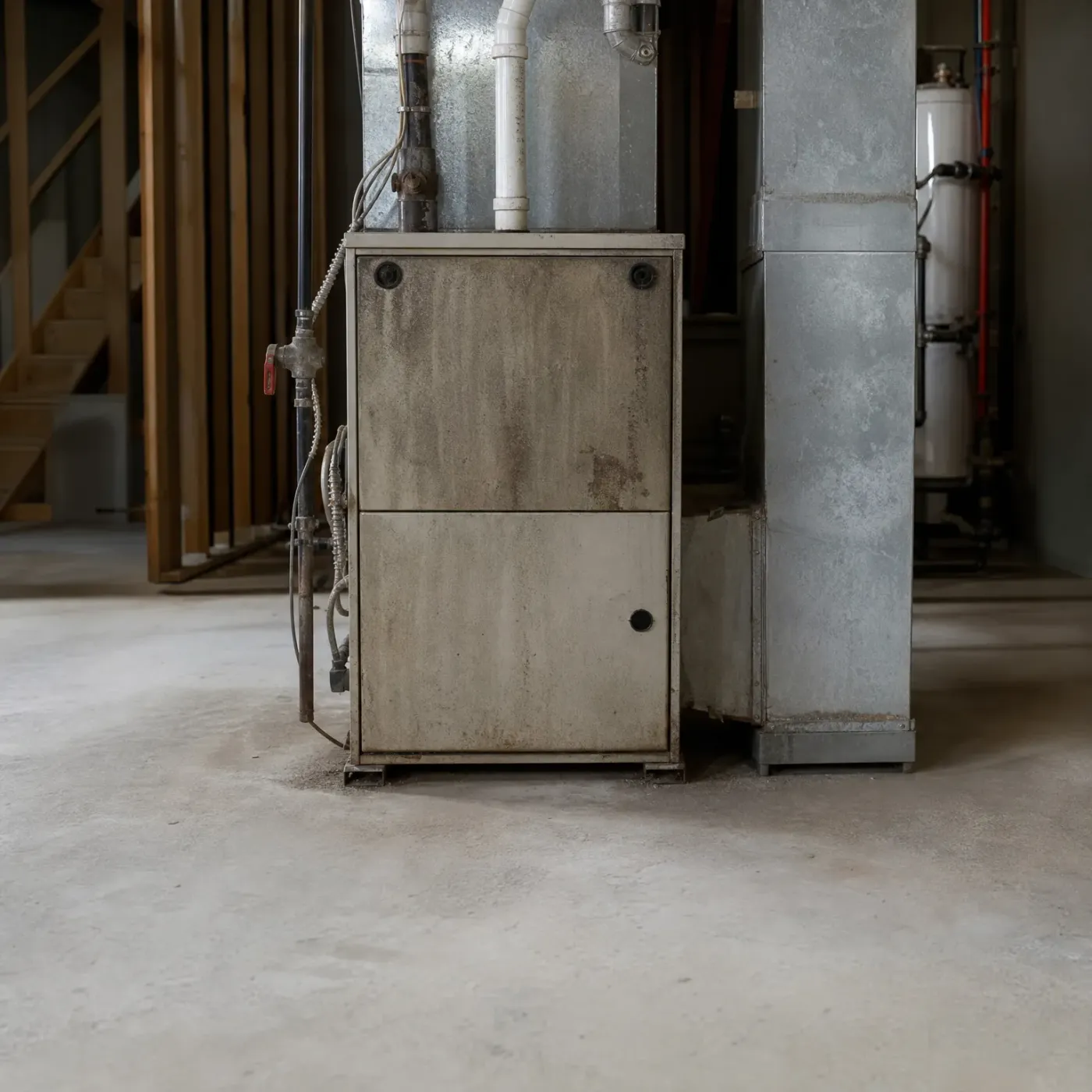
An older metal furnace with PVC and metal pipes stands on a concrete basement floor beside galvanized ductwork, with wooden stairs and a water tank in the background.
Dust coats the cabinet and the gas line sits unclamped against old framing, the kind of setup a repair visit would flag before it fails outright.
  1. A contractor checks airflow at the register in that room.

  2. A duct reading at the branch shows where the air is falling off.

  3. Checking the run finds the pinch, disconnect, or long cold stretch.

  4. The fix restores full airflow to that one register.

A woman in a knitted shawl sits in a living room with a fireplace, shelves, a sofa with cushions, and a lamp by a bright window, looking off to the side.
A woman with long brown wavy hair in a green shirt over a white top stands in a living room with built-in white shelves, a ceiling fan, a potted plant and a sliding glass door.
A woman with shoulder-length gray-streaked hair in a light gray knit sweater stands smiling and looking off to the side in a living room with a sofa, houseplant, framed picture, and sunlit sliding glass door.
A woman with shoulder-length curly gray hair wearing a gray knit sweater stands near a window with a sheer curtain, looking to the side, with a blurred interior room behind her.

Finding a pro stops being your job

You've probably checked the register, maybe closed the vents in other rooms trying to push more air that way, and it hasn't made much difference. That's because the problem isn't something you can see from inside the room. It's in the duct run behind the wall or above the ceiling, and finding it means pulling airflow readings at the branch and tracing the line through the attic or crawl space to where it's losing its heat. A furnace contractor who works on Indiana homes all winter has seen this exact complaint enough times to know where to start looking first. Send the request and a local, licensed contractor who handles this equipment gets it, not a handful of companies competing for the callback. You stay in a cold room through one more evening at most, not another month of space heaters and socks at bedtime, trying to figure out which duct run is failing on its own.

A problem that stays put

If that room has been cold for more than one winter, the cause is something fixed. A duct run that's too long, a pinch behind a wall, a branch that was never sized right for the distance it has to cover. None of that changes on its own. You can keep a space heater running in there every January and the room will still lag behind the rest of the house, because the air reaching that register was never going to be enough.


A problem that showed up this year

If the room heated fine last winter and only started falling behind now, something changed in the duct run itself. A connection could have worked loose, insulation in an attic or crawl space run could have shifted or come apart, or a damper somewhere in the branch could have closed partway. That kind of change is worth finding, because it usually means the fix is smaller than resizing a duct that was undersized from the start.

A woman and a sleeping child wrapped together in a cream knitted blanket on a couch, with a potted plant, framed photo and lit lamp in the background.
A gray-haired woman in a cream knit sweater stands in a dimly lit kitchen at night, looking to her right, with a round loaf of bread in the foreground and a dark window and potted plant behind her.
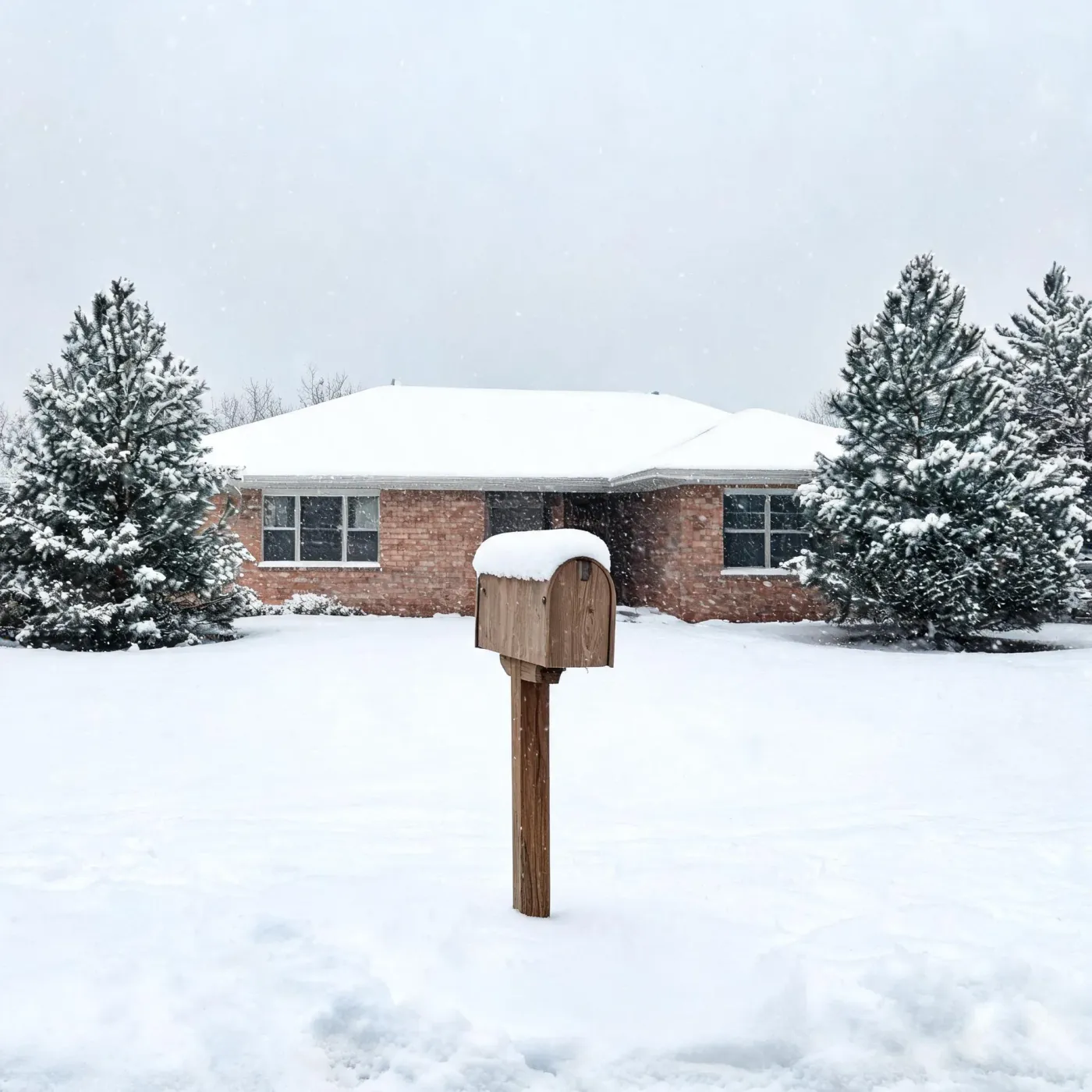
A snow-covered wooden mailbox on a post stands in a snowy yard in front of a single-story brick house flanked by snow-laden evergreen trees during falling snow.

Statewide, winter nights average 22°F, according to the National Weather Service. On a night that cold, your furnace isn't cycling on and off anymore. It's running long stretches just to hold the house where you set it, and every register depends on that steady output reaching it. A room at the end of a long or pinched duct run already gets less air than the rooms close to the furnace. Drop the outdoor temperature into the low 20s and that gap shows up fast. The far room goes from a little cool to genuinely cold, even though the thermostat reads fine and the rest of the house feels normal.

NOAA nClimDiv 1991-2020 county normals weighted by homes

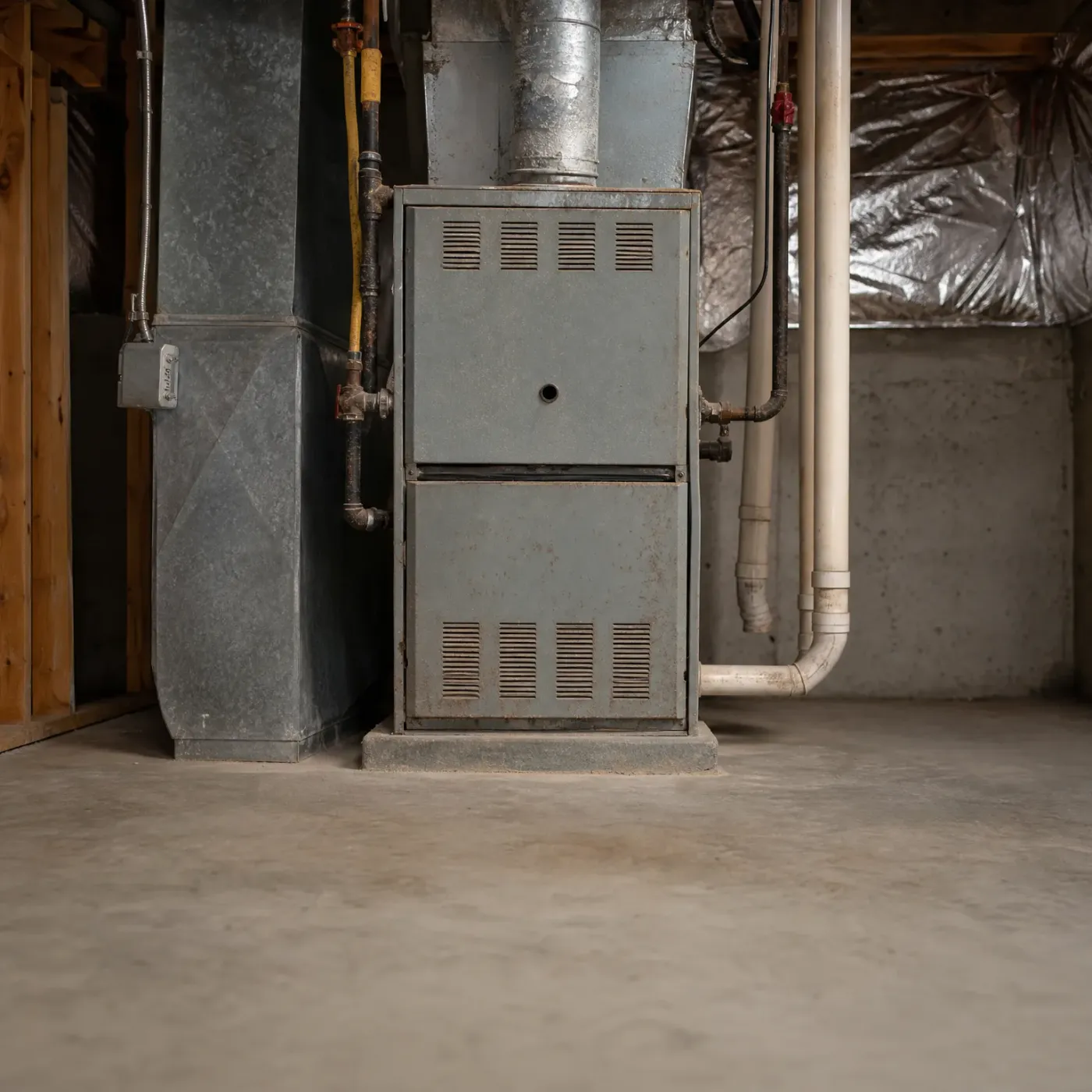
A gray metal furnace with louvered vent panels stands on a concrete basement floor beside galvanized ductwork, gas and plastic pipes, and foil-faced insulation along the ceiling and wall.
Before you get your furnace repair
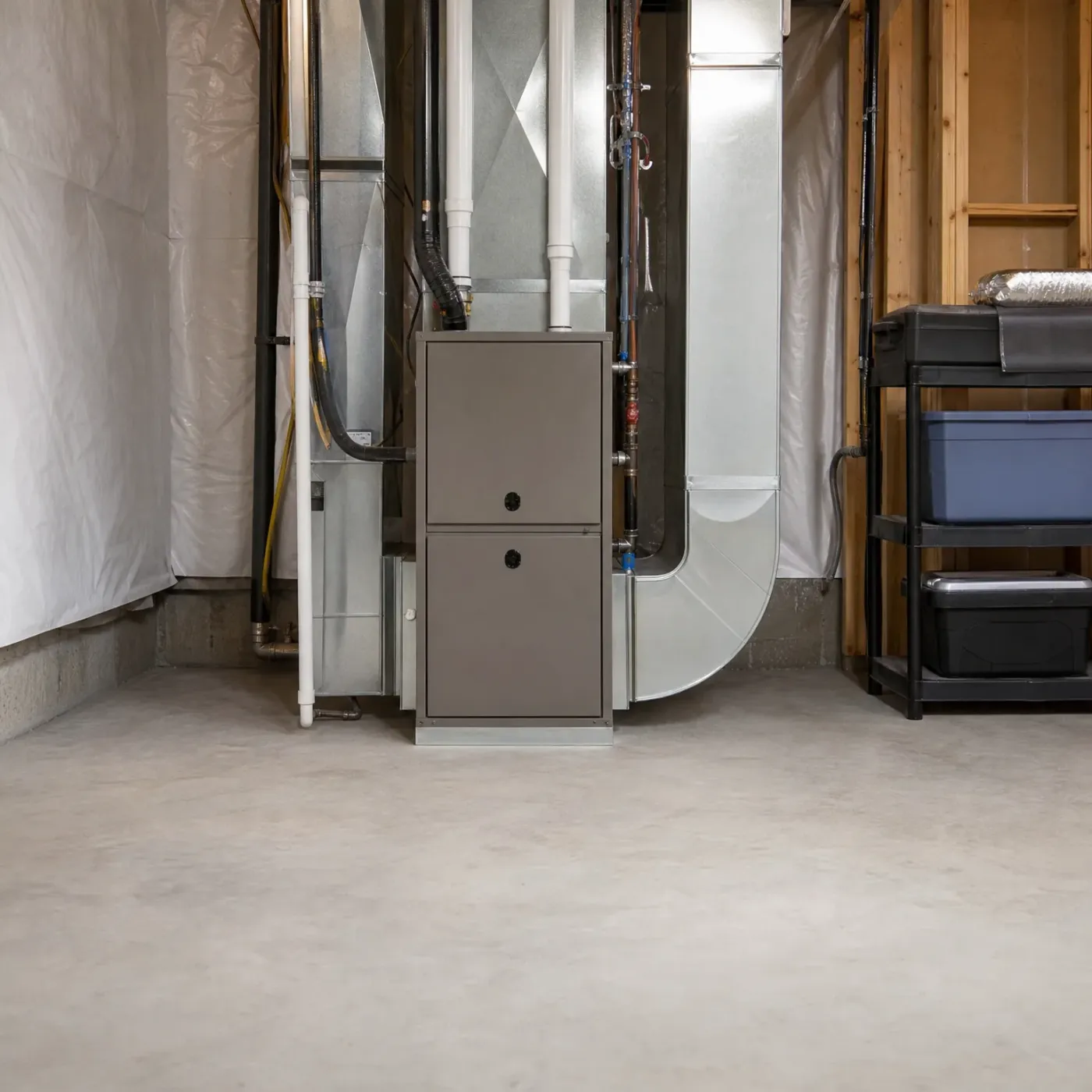
A basement utility area with a gray furnace, sheet-metal ductwork, pipes, plastic-covered walls, a concrete floor, and a black shelving unit holding storage bins.
After you get your furnace repair

Still cold

Space heater running, door shut, that room still colder than the rest. The duct feeding it is losing air or heat somewhere between the furnace and the register.

I'm done searching

Even heat

That register puts out what the rest of the house gets. A local contractor who works on furnaces all winter finds where the run falls off and fixes it.

I'm done searching

Winter nights average 22°F statewide

At 22°F, your furnace is leaning on every register just to keep up. If one branch is already losing air or heat along the way, that room falls behind first and stays behind until the duct problem is fixed.

NOAA nClimDiv 1991-2020 county normals weighted by homes

The cold room has an answer

  • The cold room is a duct problem, not a furnace problem, so the rest of the house heating fine doesn't rule it out.
  • A pinched, disconnected, or long cold run keeps that one branch short on air no matter how hard the furnace works.
  • A contractor who services Indiana furnaces every winter knows which duct runs tend to fail first, especially through an attic or crawl space.
  • Finding that branch takes a duct reading at the register, not guesswork from inside the room.
  • You'll work with one licensed local contractor on this, not a handful of companies calling about the same job.
  • Once the pinch or disconnect is found and fixed, that register puts out what every other room already gets.

One room running cold while the rest of the house heats fine points to the duct branch feeding it, not the furnace itself. Somewhere between the furnace and that register, the run is pinched, disconnected, or stretched long through a space that isn't heated, and the air cools or thins out before it ever reaches the vent. That's why closing other vents or running a space heater hasn't fixed it. The problem is behind the wall, not inside the room.

Finding the exact spot takes a duct reading at the register, checking what's actually reaching that branch against what the furnace is putting out. A contractor who works on furnaces across Indiana every winter has seen this pattern before, especially on runs through an attic or crawl space, and knows where to look first instead of testing the whole system from scratch.

Once you request service, you're handed to one licensed contractor local to you, someone who takes the call and works the job, not a list of companies competing for it. They'll check the register, trace the run, and find where the air is falling off. Once that pinch or disconnect is fixed, the register in that room puts out what every other room in the house has had all along. The fix is specific to that one branch, which is why the rest of your heating hasn't needed touching.

Sunlit corner of a room with a wooden sideboard holding a ceramic vase of olive branches and a dark wooden bowl, beside a white-framed window, a hardwood floor and woven rug.
A wooden cabinet holding a pale ceramic vase with leafy branches stands beside a beige wall in a sunlit room with hardwood floors, a jute rug, and a window showing green foliage outside.
Sunlit room corner with a beige upholstered sofa holding a rust-brown cushion, beside floor-length linen curtains at a window, over a wood floor with a woven rug.
Corner of a room with beige walls, a framed photograph, a floor-length linen curtain beside a window, an upholstered armchair with a knit pillow, white baseboards and trim, wood flooring and a pale rug.
Sunlit living room corner with a beige upholstered armchair with a cushion, linen curtains beside a wooden-framed window, green vertical panelled wall with a framed print, and a wooden table edge over a woven rug.

One request and it's handed off

Your request goes to one pro, not a list of companies.

Hand it over

No charge to send it. You decide if you hire them.