What temperature to set the heat in an Indiana winter
Fill out one form instead of calling around for a furnace tune-up.
68 degrees is the number most people land on for an Indiana winter, with a drop to around 62 overnight or when the house is empty. Your furnace runs from about October through March here, and gas is how most homes in the state heat, so that setting is really a balance between comfort and what you're willing to see on the bill in January.
Where that number stops working is when the furnace itself isn't holding up its end. A unit that's low on maintenance will run longer to hit the same setpoint, cycle more, and leave some rooms colder than others no matter where you put the thermostat. At that point the temperature you set isn't really the problem.
That's a maintenance question, not a thermostat question, and it's a different kind of search than the one that brought you here. Most people in that spot start by trying to find someone to look at the furnace, which usually means searching around, calling a few places, explaining what the furnace is doing more than once, then sitting on quotes trying to figure out who actually knows what they're doing versus who just answered the phone first.
This page connects you with one licensed contractor local to Indiana instead, someone who services furnaces in this area all winter and has a good sense of what tends to go wrong in a gas furnace that's been asked to run hard for months. You're not fielding calls from three or four companies trying to win the job. It's one contractor, matched to your situation, and the conversation starts with what your furnace is actually doing rather than from scratch.
The rest of this page walks through where to set the heat, room by room and hour by hour, and what's reasonable to expect from a gas furnace in Indiana winters. If what you read matches what your furnace is doing, the number on the thermostat is probably fine as is. If it doesn't, that's worth a look before the cold months get any longer.
What temperature should I set my thermostat in winter in Indiana?
You keep the thermostat somewhere you're comfortable, but you've wondered if you're paying extra for it, or if turning it down a few degrees overnight actually matters once the temperature outside drops into the teens or lower. Indiana winters ask a lot of a furnace, and the number on the dial changes how hard it works and how much you pay to keep it running.
68 degrees while you're home, lower when you're not
68 works for most people because it holds a room at a temperature you stop noticing, without asking the furnace to fight outdoor air in the teens or single digits. Every degree above that adds to what the furnace has to make up, and Indiana winters give it months of cold to work against. Dropping to 62 overnight or when the house sits empty gives the furnace a break without the house losing enough heat to matter. It also means the furnace isn't cycling on and off against a wide swing, which is easier on the parts inside it than a thermostat pushed high all day and left there.
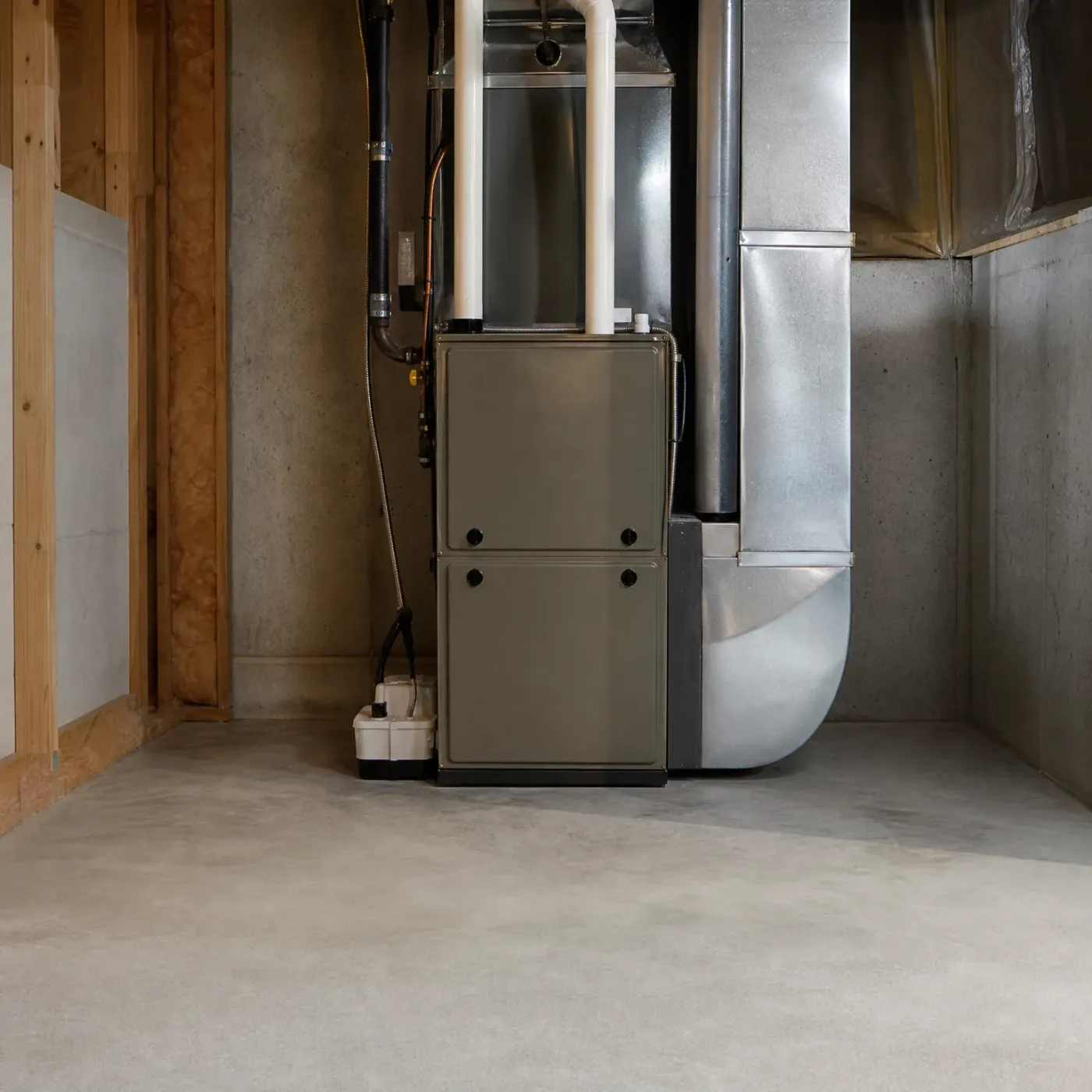
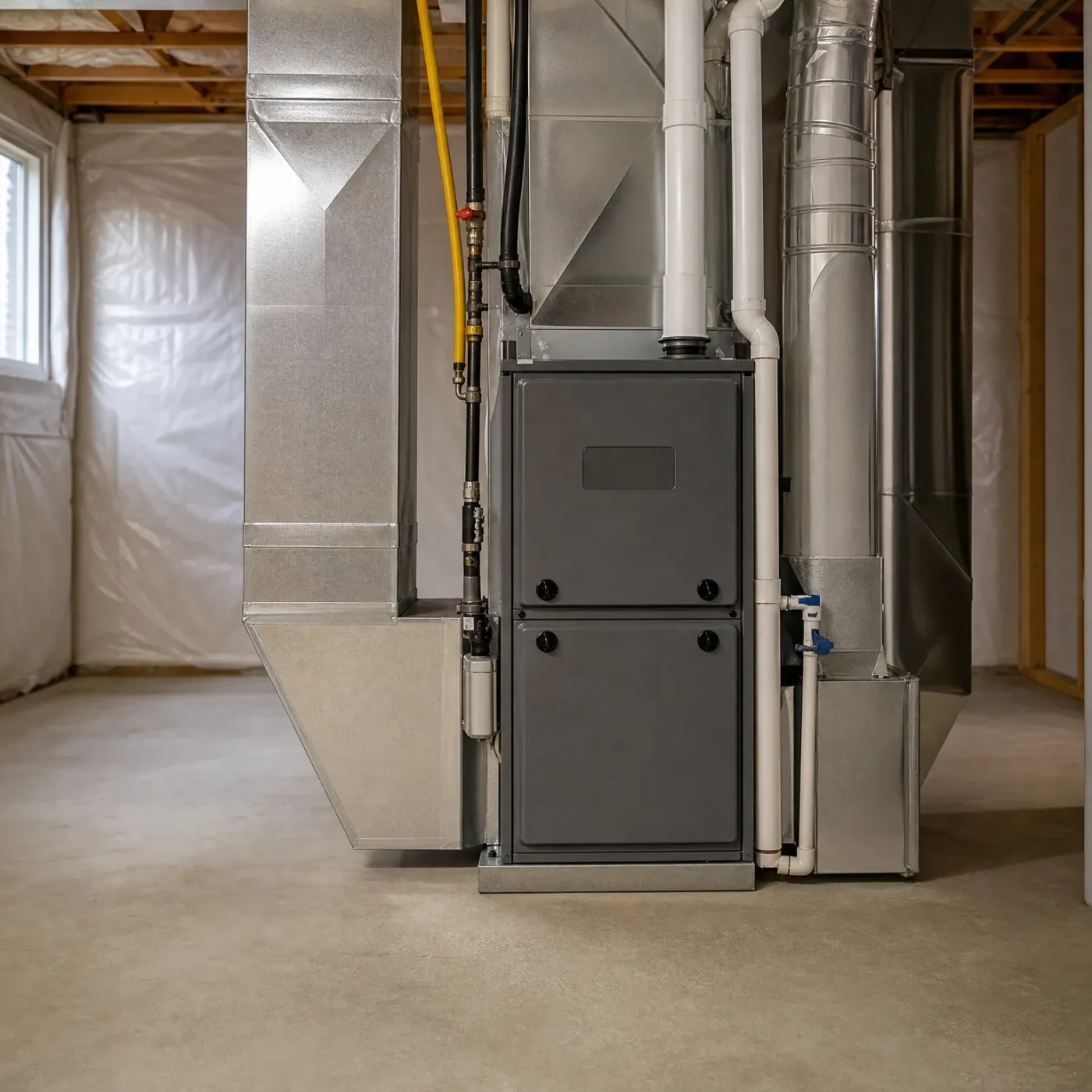
Furnace running as it should
This is a furnace doing its job. The flue pipes run clean to the outside, the condensate pump clears water as the furnace makes it, and the ductwork carries heat to every room at whatever temperature you've set. At 68 degrees, this setup holds steady all winter without strain.
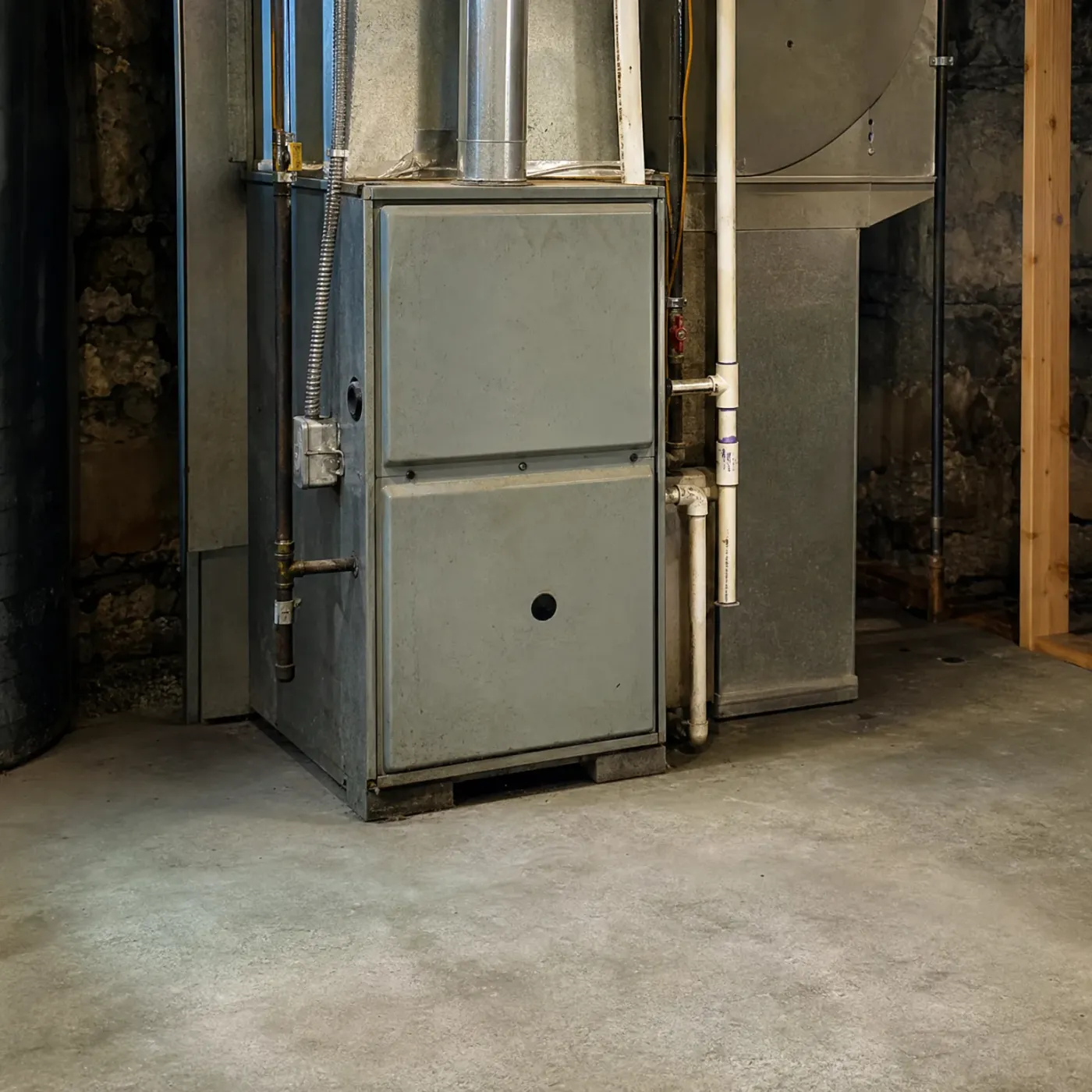
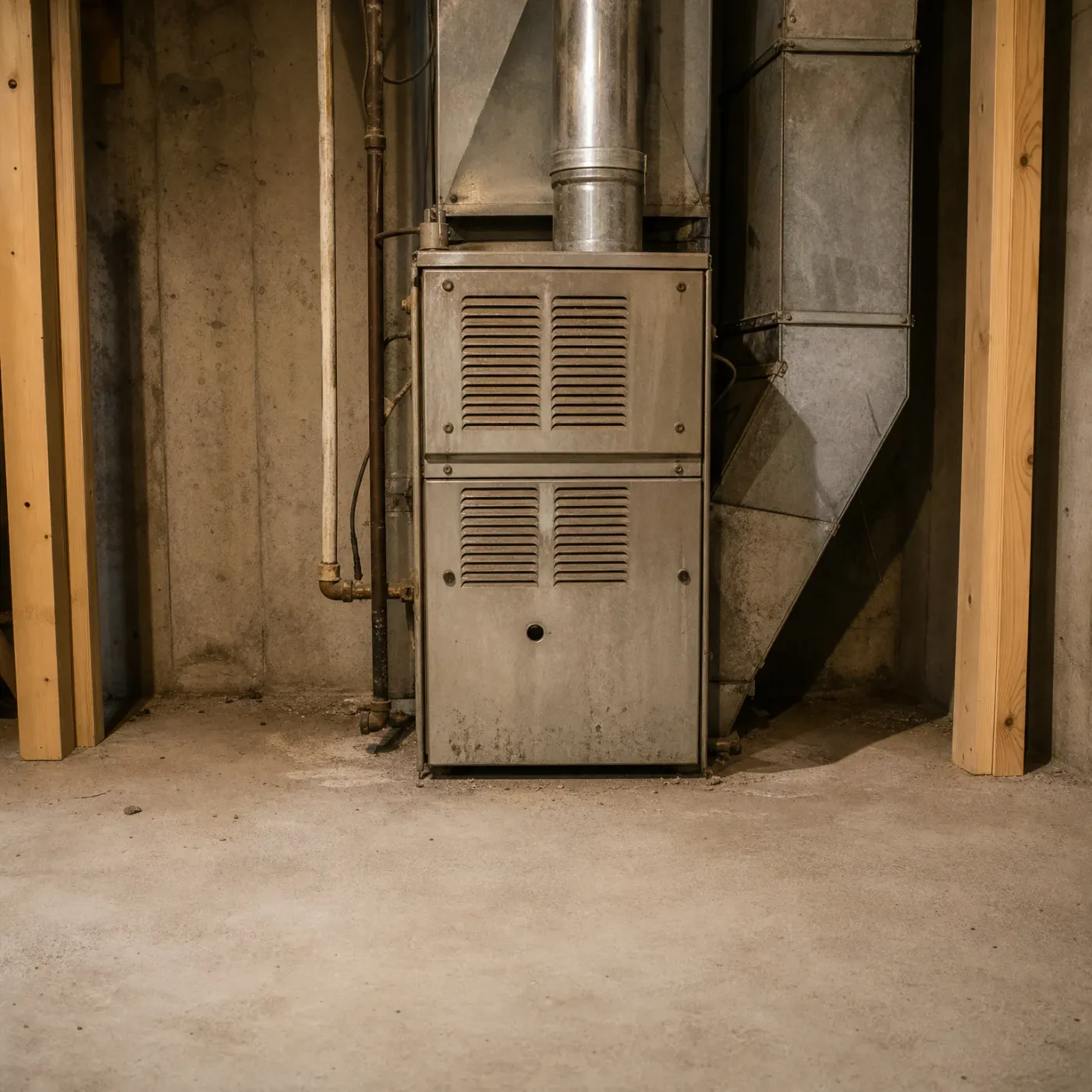
Furnace under strain
An older furnace like this works harder to hit the same 68 degrees, especially once overnight temperatures drop further. The gas lines and flex tubing still do their job, but age adds wear, and a unit that's struggling shows it in uneven heat or a furnace that runs longer to catch up.
Why does my house feel cold at 68 degrees?
If a room stays cold no matter what the thermostat reads, or the furnace runs long stretches without shutting off, the setting isn't the problem. You might notice one bedroom never gets as warm as the rest of the house, or the air coming out of the vents feels cooler than it used to. Maybe the furnace clicks on and off more than it used to, or you hear it running at times it never used to kick on. A furnace working harder to hit the same number on the thermostat is burning more gas to do it, and left alone, that strain is usually what ends in a furnace failing on the coldest night of the year instead of a mild one.
Your request goes to one pro, not a list of companies.
No fee to send it, and nothing to sign.
What the recovery period costs you
Dropping to 62 overnight and bringing the house back to 68 by morning means the furnace runs longer during that recovery than it would holding one steady number all night. Furnaces don't heat faster at a lower setting, they just run until the house reaches the number you asked for. A programmable or smart thermostat set to start that recovery an hour or so before you wake up gets you a warm house without the furnace working through the coldest part of the night at full tilt. Check what your thermostat can schedule before you assume the setback is costing you more than it saves.
What a well-tuned furnace handles easily
A furnace that's been cleaned and checked holds 68 degrees through a January night without much trouble, cycling on and off as the house calls for it. One that's overdue for service, with a dirty flame sensor or a clogged filter, works harder for the same setting and shows it in longer run times and higher bills. Maintenance before the cold sets in is what keeps 68 an easy number for the furnace to hit, rather than one it strains toward. A contractor who services furnaces in Indiana every winter knows the parts that tend to give out first in weather like this.
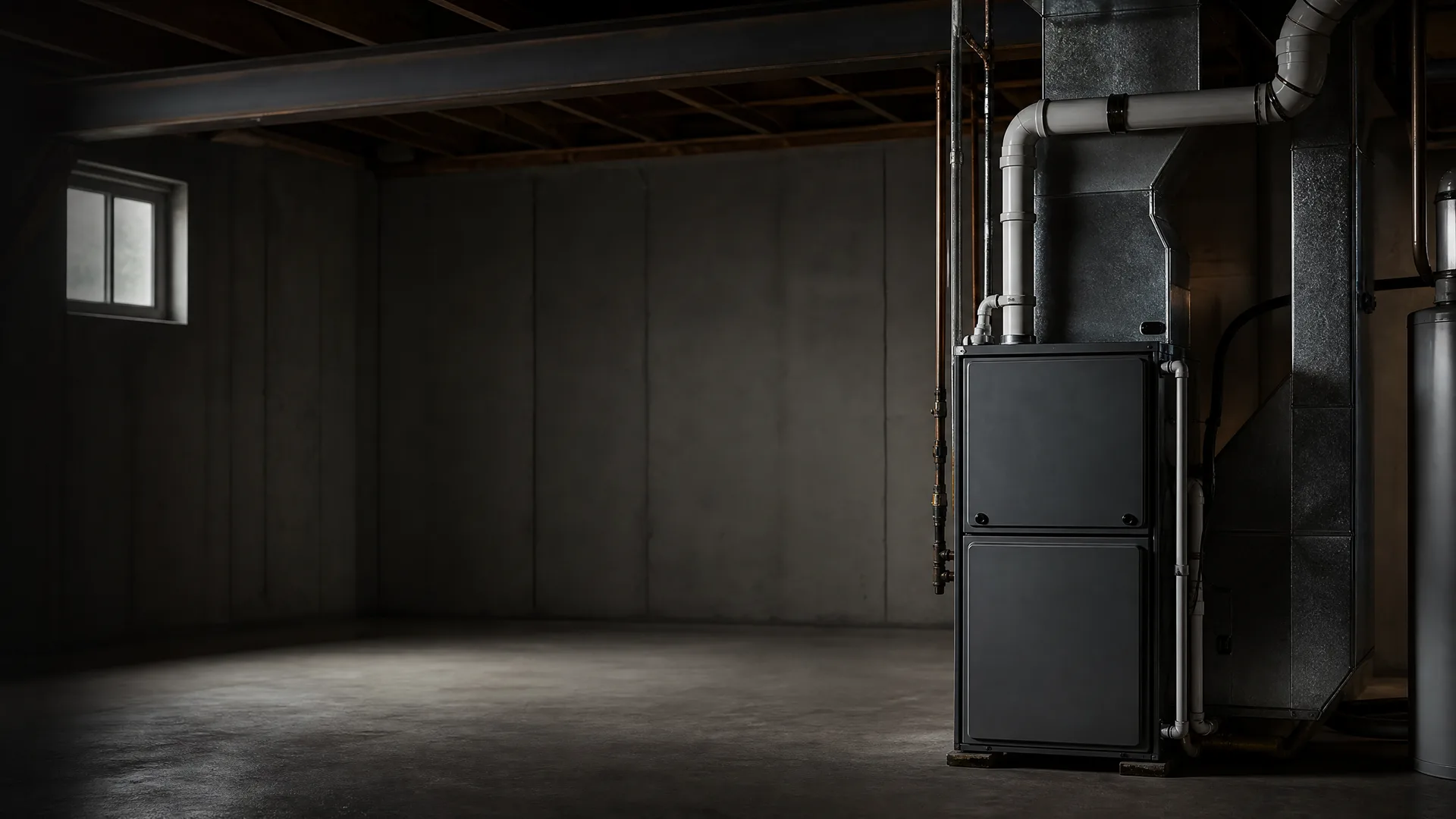
A furnace keeping pace
New or well kept, a furnace like this cycles on, satisfies the thermostat, and shuts off without a fight. The gas line, the PVC venting, the ductwork overhead all do their part so 68 degrees costs what 68 degrees should cost.
A furnace falling behind
Dust on the cabinet and years on the unit change what a setting means. This furnace may run longer to hit the same number, or struggle to hold it once the sun goes down. A yearly tune-up catches what age alone will cause.
Winter nights average 22°F statewide
22 degrees is the average overnight low across an Indiana winter, and that's enough cold pressing on the walls and windows that a furnace holding 68 inside runs a good part of the night to keep up. The bigger the gap between outside and your thermostat, the longer each cycle runs.
NOAA nClimDiv 1991-2020 county normals weighted by homes
Where That Leaves You
68 degrees during the day and a drop to around 62 overnight is a fair baseline for an Indiana winter, with room to adjust for what feels right in your house.
A furnace that can't hold that number, or runs long stretches without shutting off, is telling you something needs attention beyond the thermostat.
The setting only costs what it should when the furnace, the venting and the ductwork are all doing their part.
A furnace technician who services this equipment all winter in your area has seen what usually fails first and checks it before it leaves you without heat.
Working with one local, licensed contractor means one visit and one set of answers, not a string of calls to sort through on your own.
Where your thermostat sits is less important than whether the system behind it can actually deliver and hold that number.
68 degrees by day, 62 overnight, is a reasonable place to land for an Indiana winter. That number is only ever half the answer. The other half is whether the furnace, the venting and the ductwork behind your thermostat can actually hold it without strain. A furnace that short-cycles, runs long stretches without shutting off, or leaves one room cold no matter the setting isn't being helped by moving the dial. That's a system telling you it needs a look.
This is where maintenance earns its keep. A furnace technician who works on this equipment all winter in your part of Indiana has a good sense of what fails first in a system like yours, whether that's the igniter, the inducer motor or something in the venting, and checks those points before they leave you without heat on a night when it's 22 degrees outside. That's different from waiting for a breakdown and then searching for whoever can come out fastest.
Getting matched with one local, licensed contractor also means you're not fielding calls from five companies and sorting through who actually knows your equipment. One visit, one technician familiar with furnaces like yours, one set of straight answers about what your system needs to hold 68 degrees without running harder than it should. Where you set the thermostat matters less than whether what's behind the wall can deliver on it.