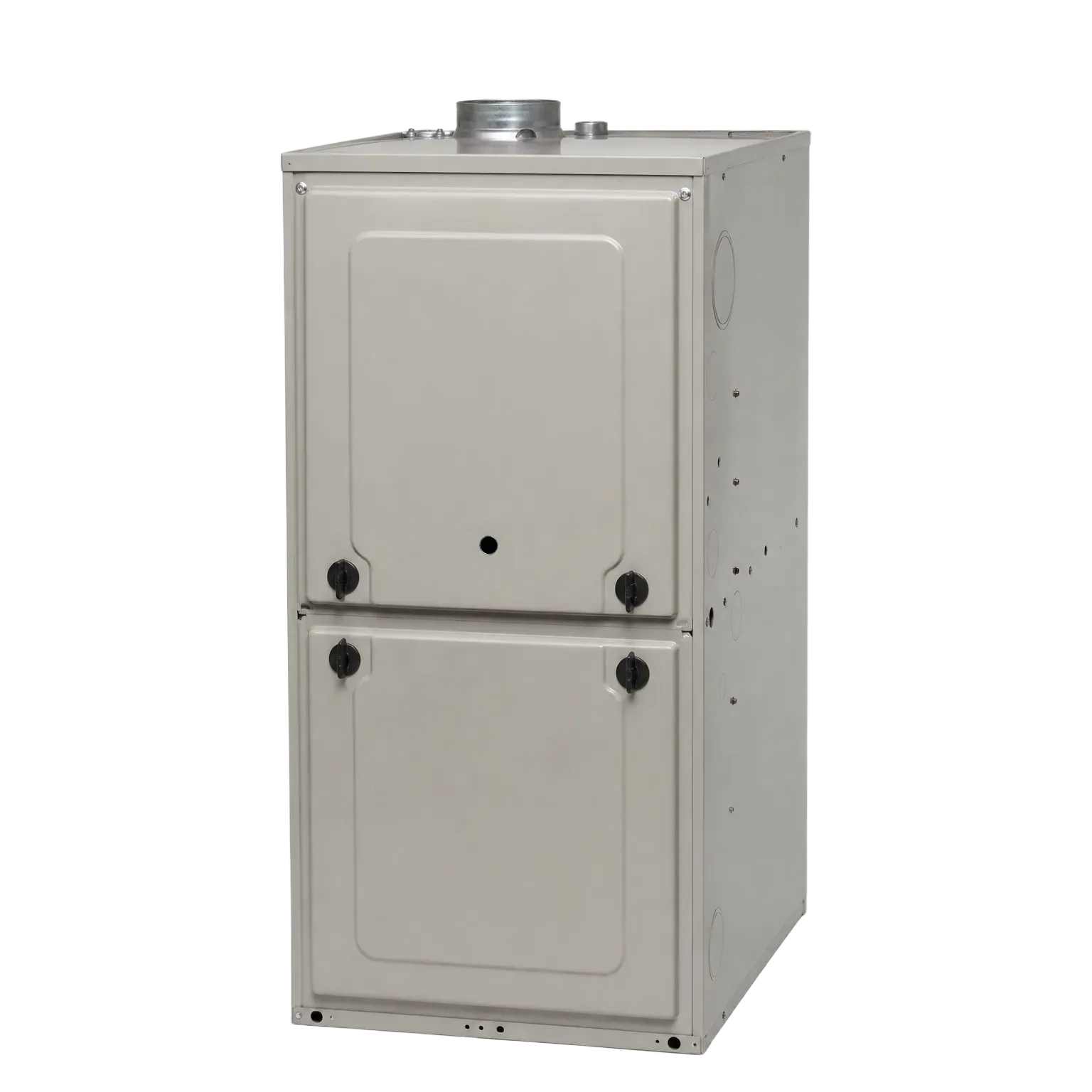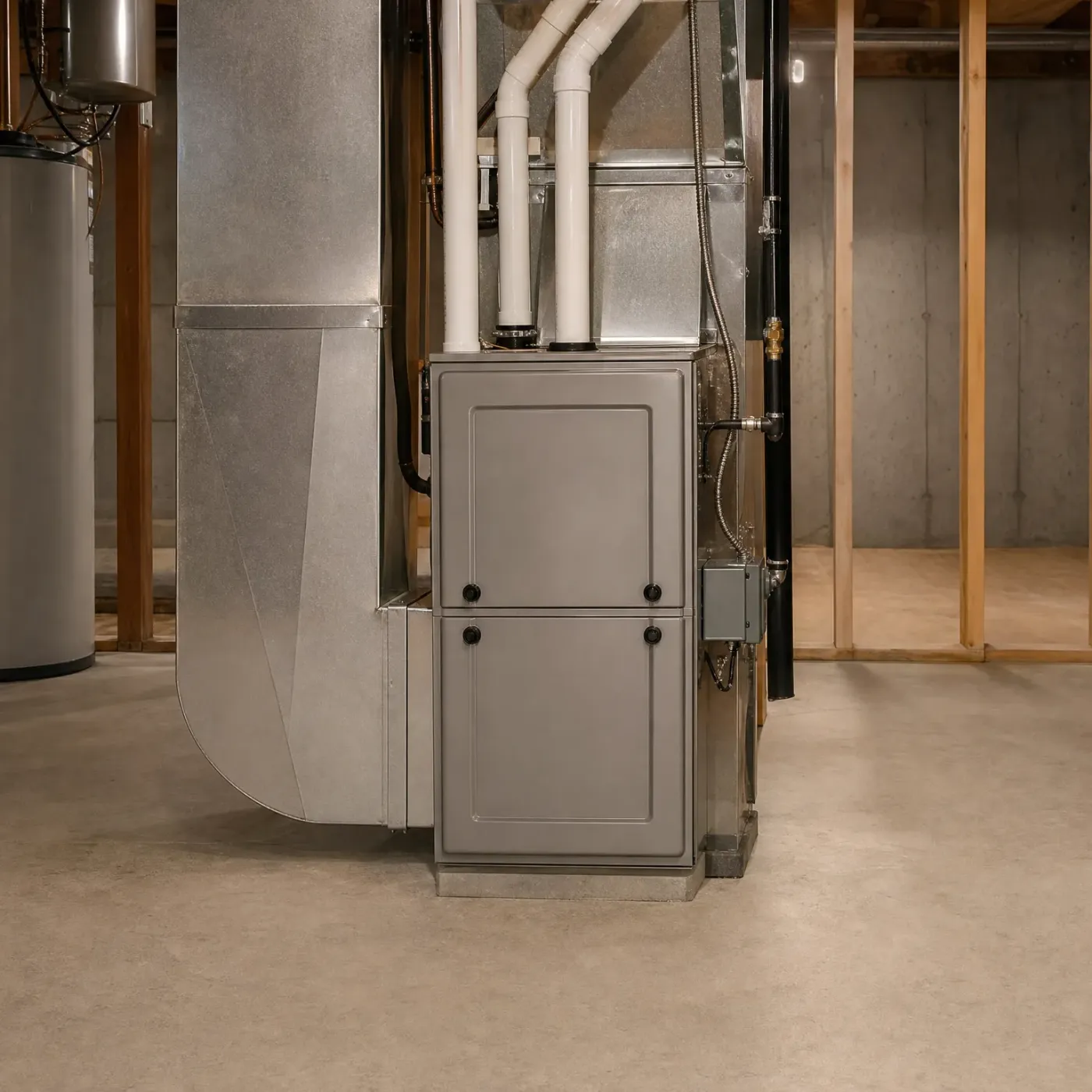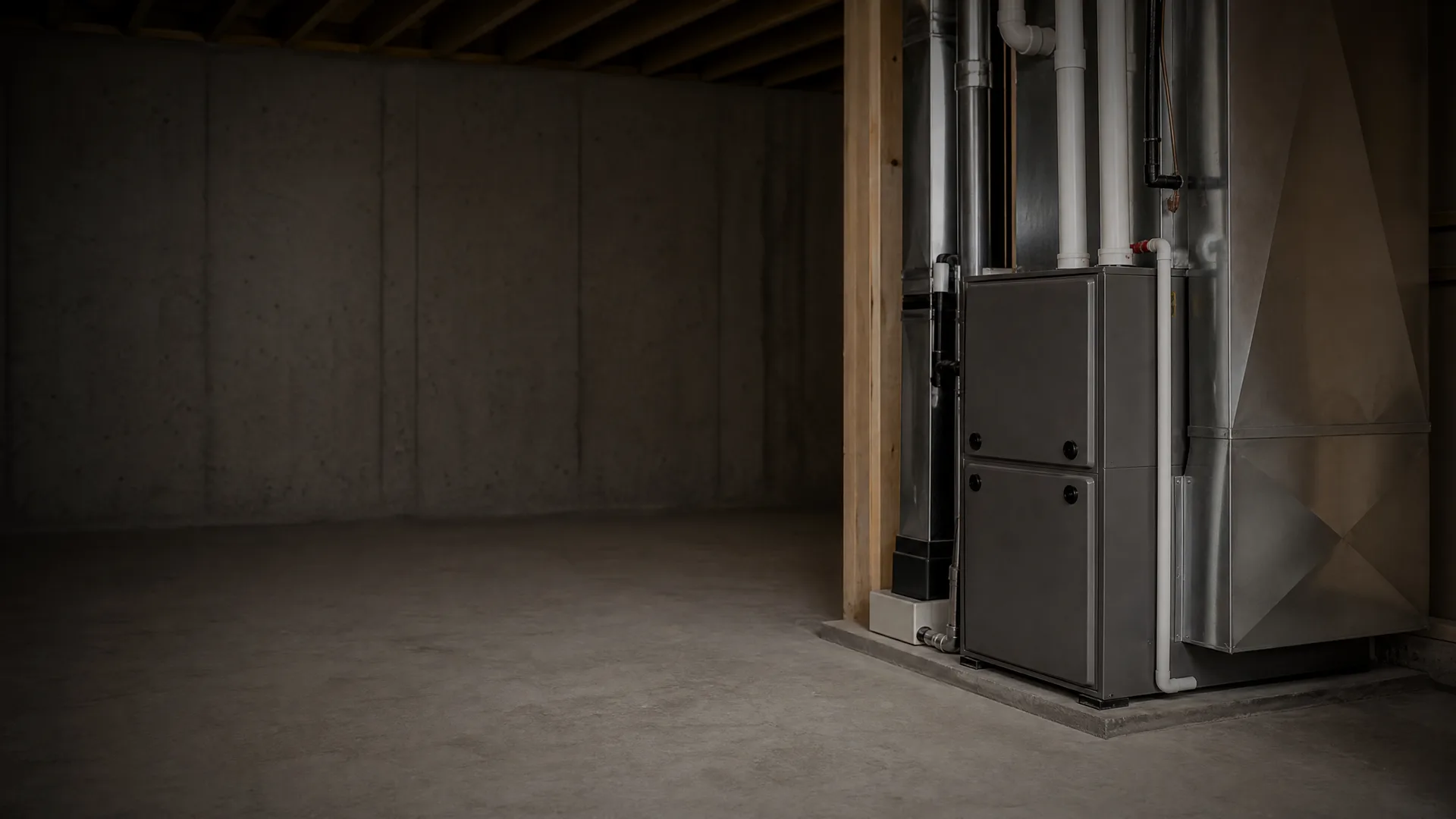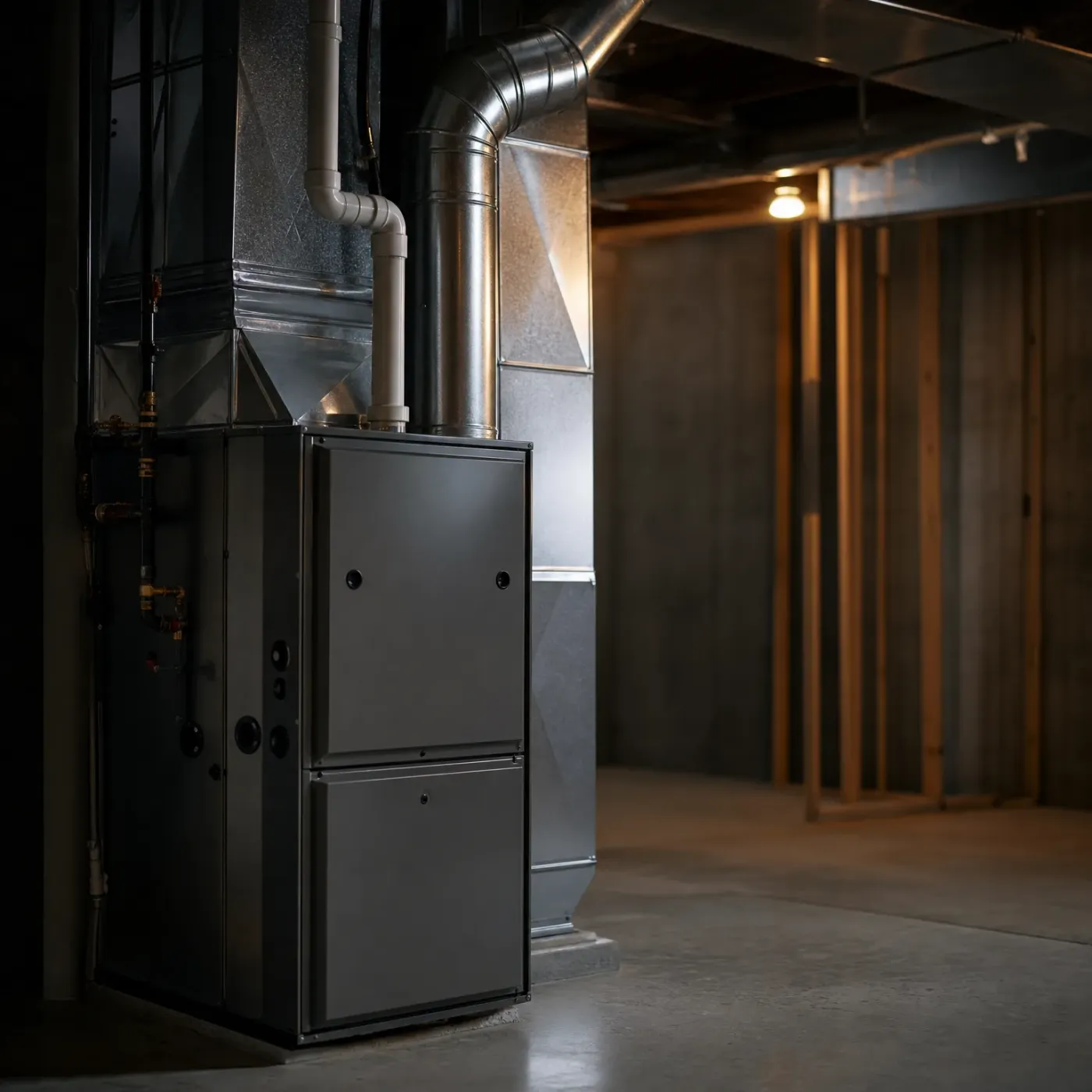
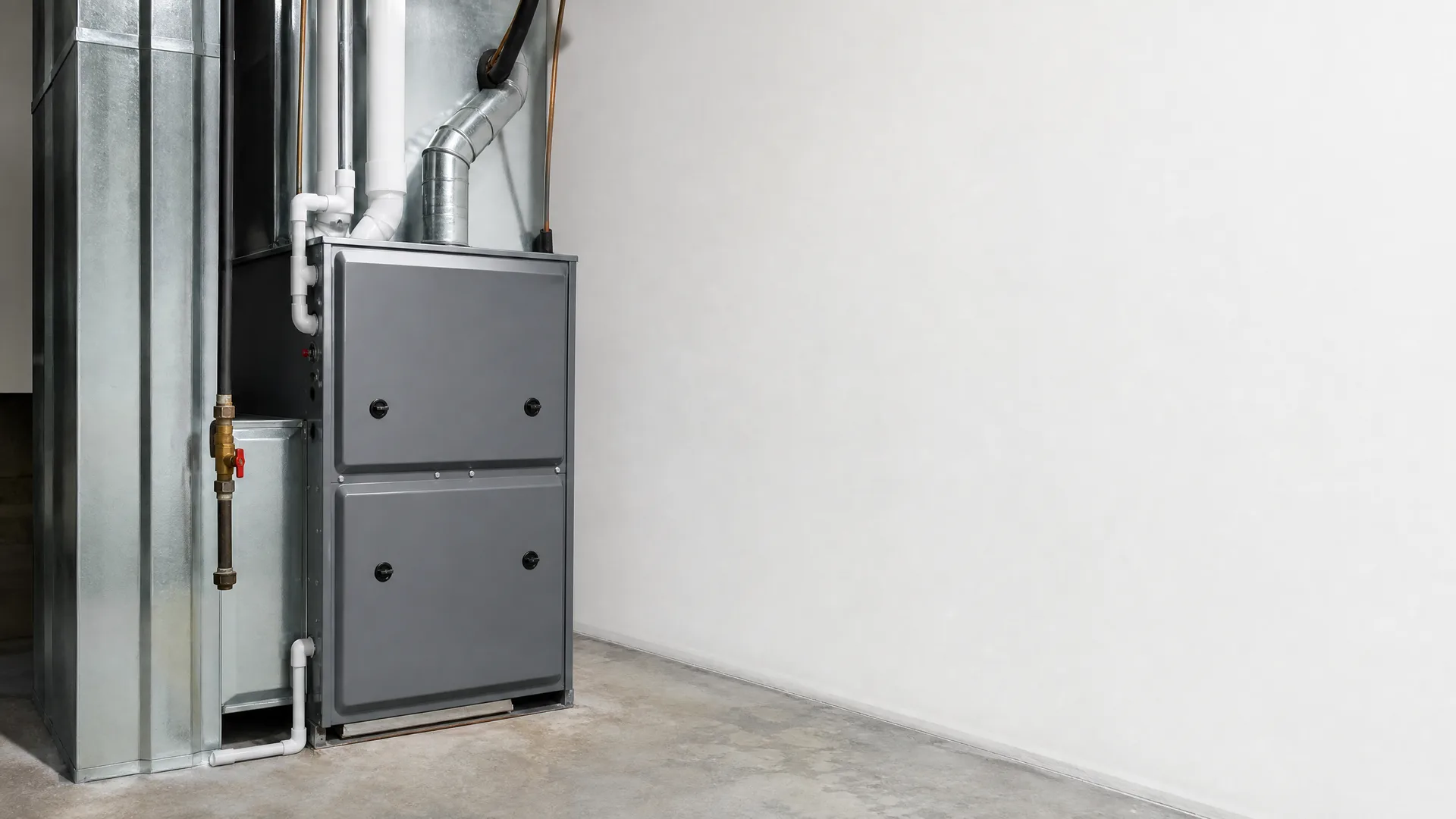
A dark gray furnace with two access panels stands in a basement, connected to galvanized sheet-metal ductwork and PVC pipes, with exposed wood framing and a bare bulb light in the background.

A local pro for your furnace installation

How long a furnace lasts in Indiana

A furnace in an Indiana home usually has somewhere between 15 and 20 years in it, but what's heating your house and how it's been run changes that. This page gets into what actually shortens or stretches those years. When you're ready to look at replacement, you can get matched with a contractor who'll reach out and look at your specific setup.

Get matched

A gas furnace in Indiana typically runs 15 to 20 years before it needs replacing. Gas furnaces here work hard because most of the winter asks for heat, and the burner and heat exchanger wear with every cycle, not with the calendar. A furnace that short-cycles, or one that was sized wrong for the house, wears out faster than one that runs long, steady stretches. How well it was installed matters too. A unit put in with the wrong ductwork or airflow strains harder to do the same job, year after year, and that strain adds up well before year fifteen. If your furnace is already past that range, or it's starting to run longer to reach the same temperature, that's your house telling you it's closer to the end than the middle. Knowing where your furnace sits in that span tells you whether you're planning ahead or already behind.

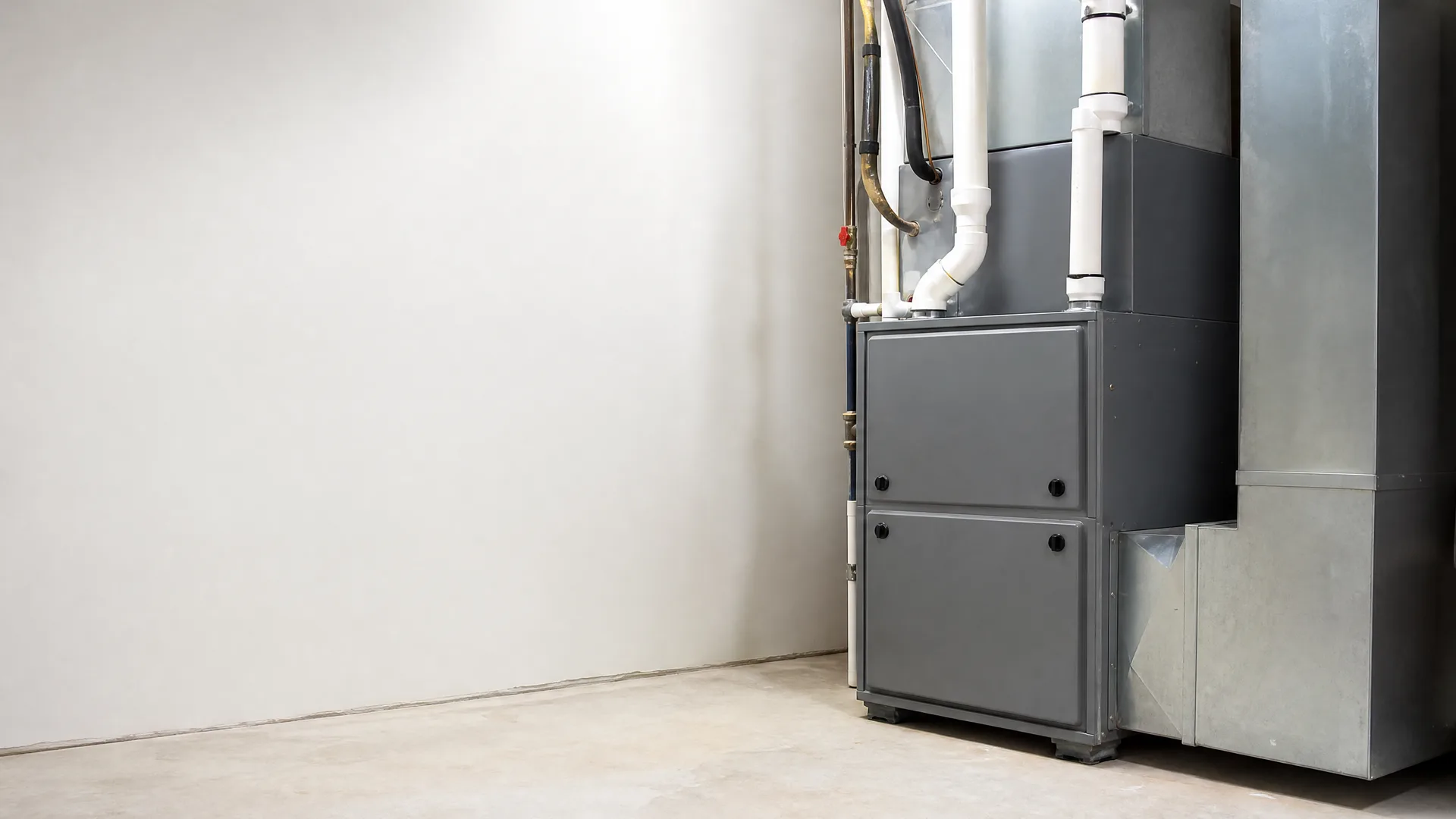
A gray residential furnace with two panel doors stands against a plain light wall in a concrete-floored room, connected to metal ductwork and white and copper pipes.

What wears the heat exchanger

Every time the burner fires, the heat exchanger goes through a cycle of heating up and cooling down. That expansion and contraction is what eventually cracks the metal, not age on its own. A furnace set to short-cycle, kicking on and off too often because of a bad thermostat setting or a duct problem, runs through more of those cycles in a season than one that runs in longer, steady stretches.

A gray high-efficiency furnace with white PVC venting pipes stands against a plain wall in a basement, connected to sheet-metal ductwork on a concrete floor.

Why the filter matters so much

A dirty filter makes the blower work against resistance, and that extra strain reaches the heat exchanger and the igniter too. In Indiana, where the furnace runs for several months straight, a filter that goes unchecked through a whole winter puts more hours of strain on those parts than one that gets swapped on a regular schedule. It is one of the few things an owner controls directly.

Keep It Running or Replace It Now

Keep running it

  • A furnace that's still heating evenly and holding its pilot or igniter cycle without trouble has no mechanical reason to come out early.
  • Every winter you get out of the existing furnace is one less year of install cost, and gas furnaces in Indiana often make it to 18 or 20 years with normal upkeep.
  • Newer furnaces run more efficiently, but if the current one hasn't shown cracking or repeated repairs, the fuel savings alone rarely justify swapping it early.
  • A furnace under 15 years old that's had its burner and heat exchanger checked recently is usually a reasonable bet to run another winter or two.
  • Waiting lets you plan the install for warm weather instead of scrambling when it's 20 degrees out and the heat's already down.

Replace it now

  • A cracked heat exchanger is a safety issue, not a repair you wait on, since it can let combustion gases into the house.
  • A furnace past 15 years that's needing a new igniter, blower motor, or control board in the same winter is nearing the point where one more repair isn't worth it.
  • If the furnace short-cycles, turning on and off in quick bursts instead of running a full heating cycle, that wear adds up fast and shortens what's left of its life.
  • A furnace installed with the house and never serviced is harder to predict, and Indiana winters don't leave much room for a furnace that might not make it through.
  • Replacing before a breakdown means you're choosing the furnace and the timing, not reacting to a cold house and whatever unit a contractor has on the truck that day.
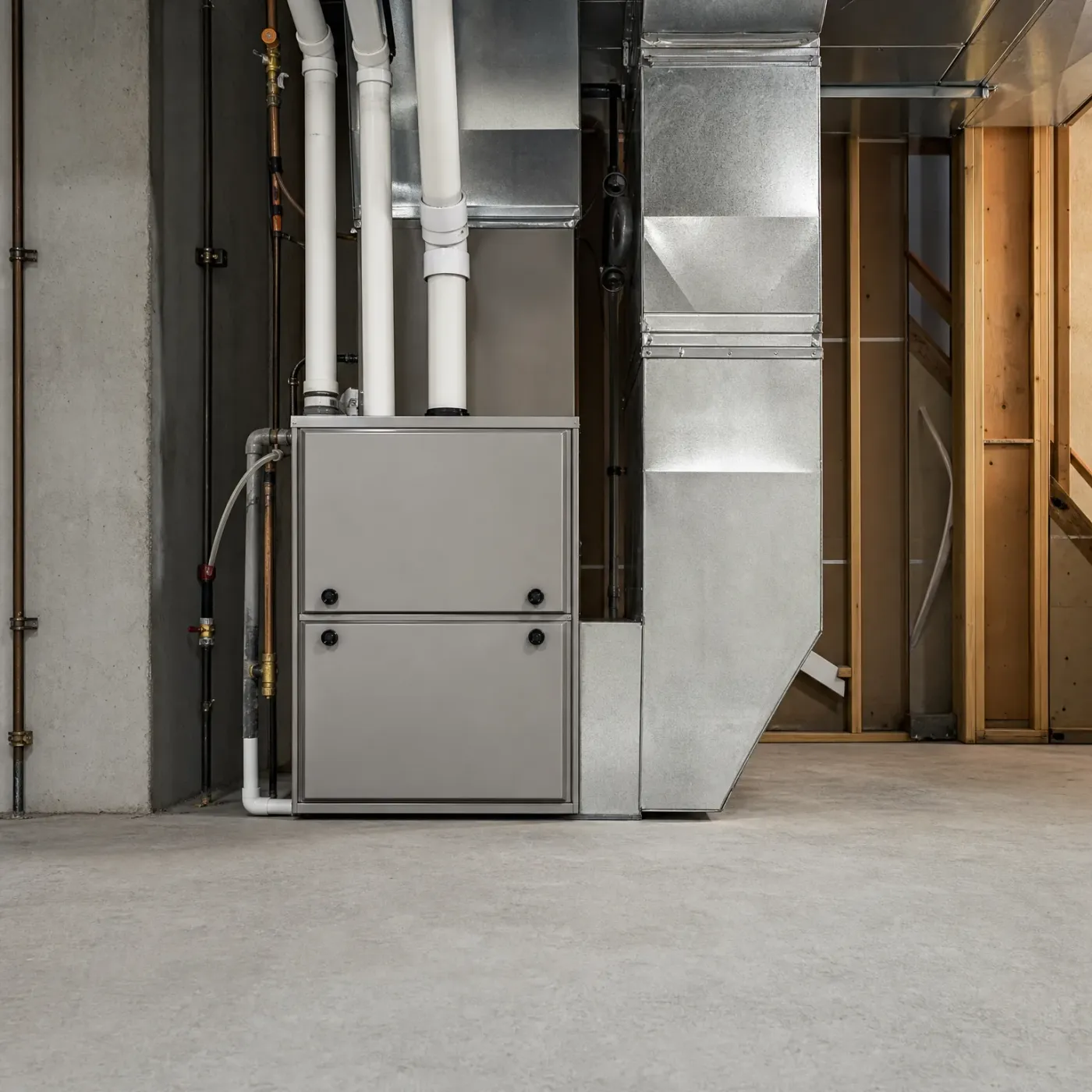
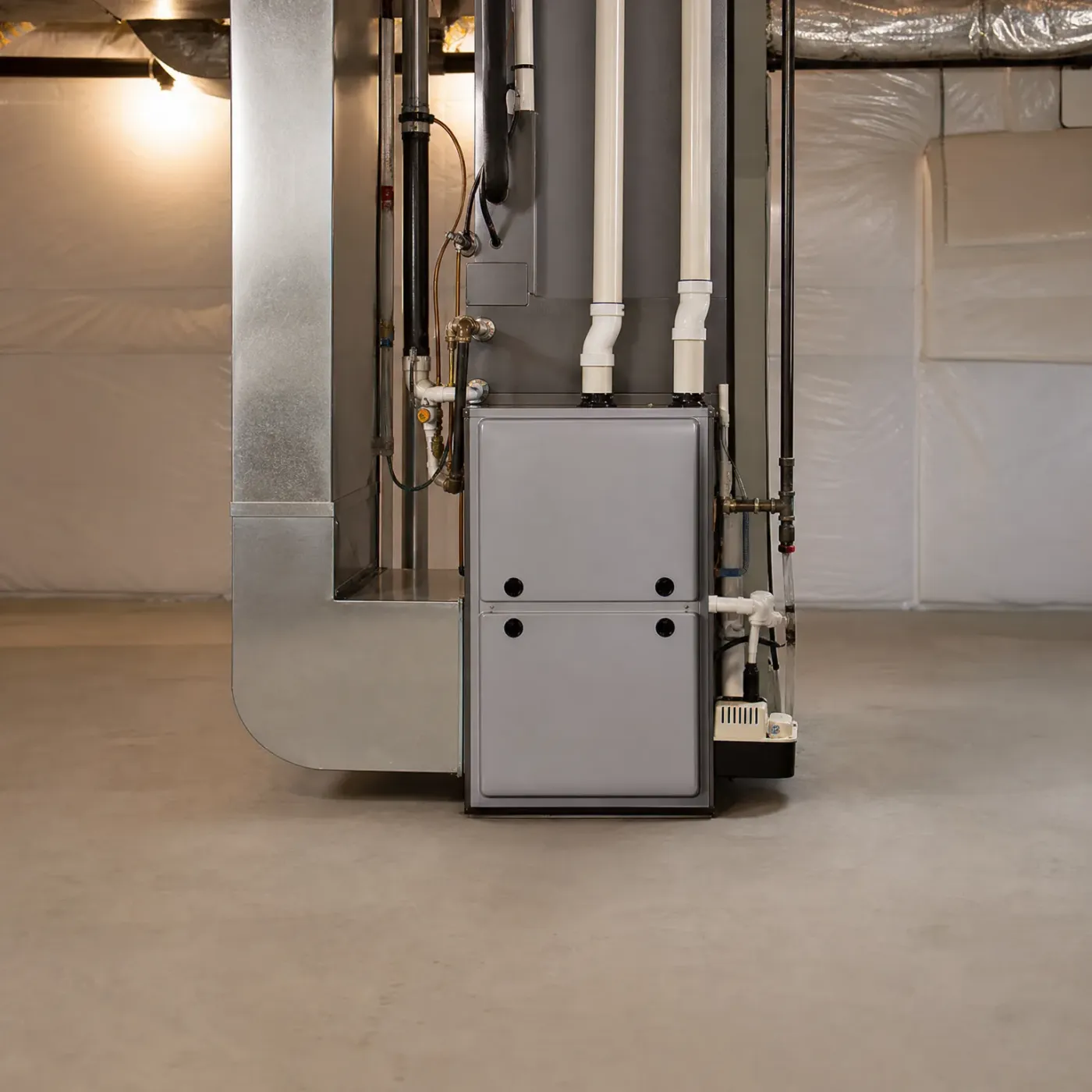
A gray high-efficiency furnace in a basement with white PVC vent pipes, sheet-metal ductwork, copper and black piping, a condensate pump, and insulated walls above a concrete floor.

Running the way it should

This is a furnace doing its job without complaint. The ductwork is tight, the condensate line drains where it should, and the burner only has to do what it was sized to do. A furnace kept this clean cycles the same way in its fifteenth year as its first.
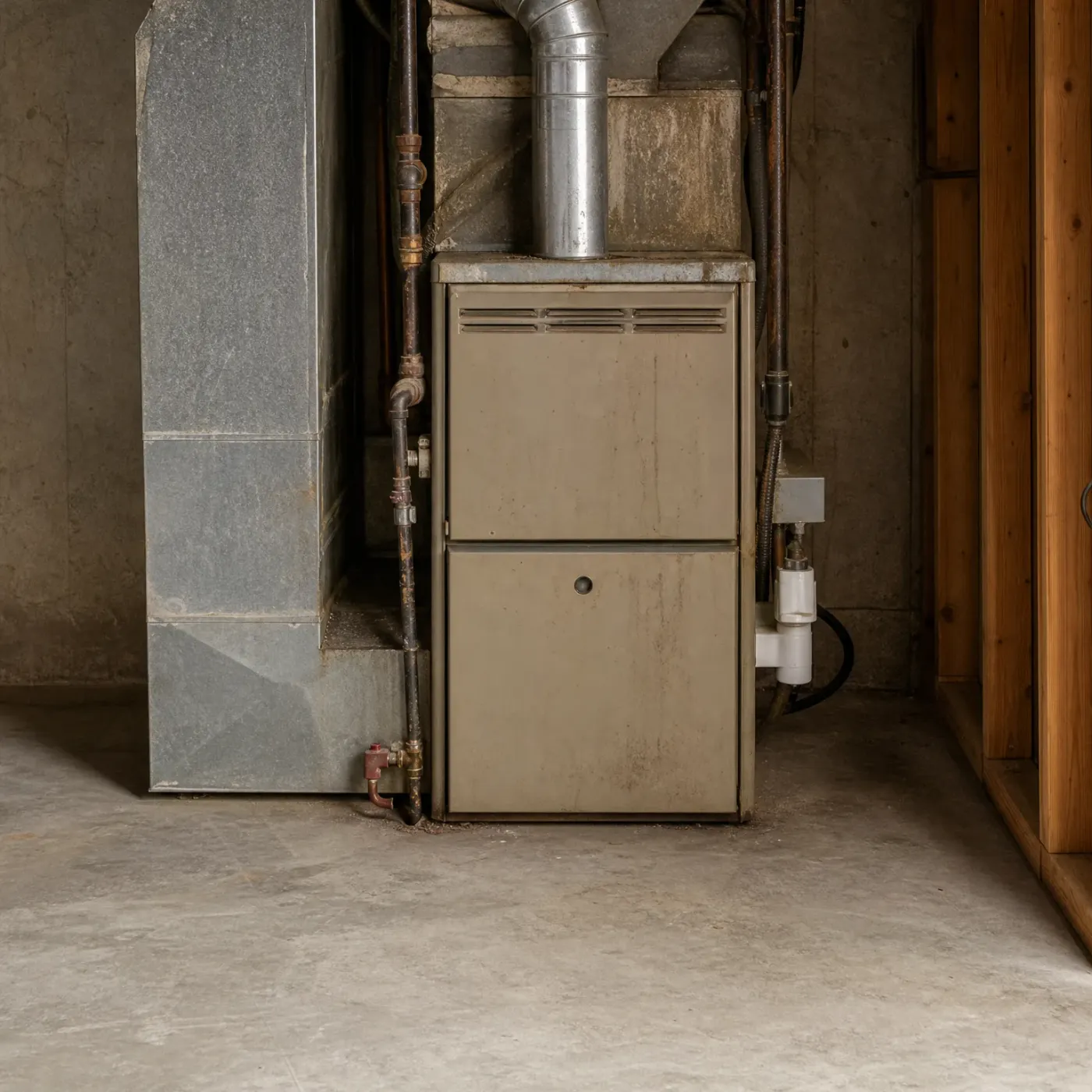

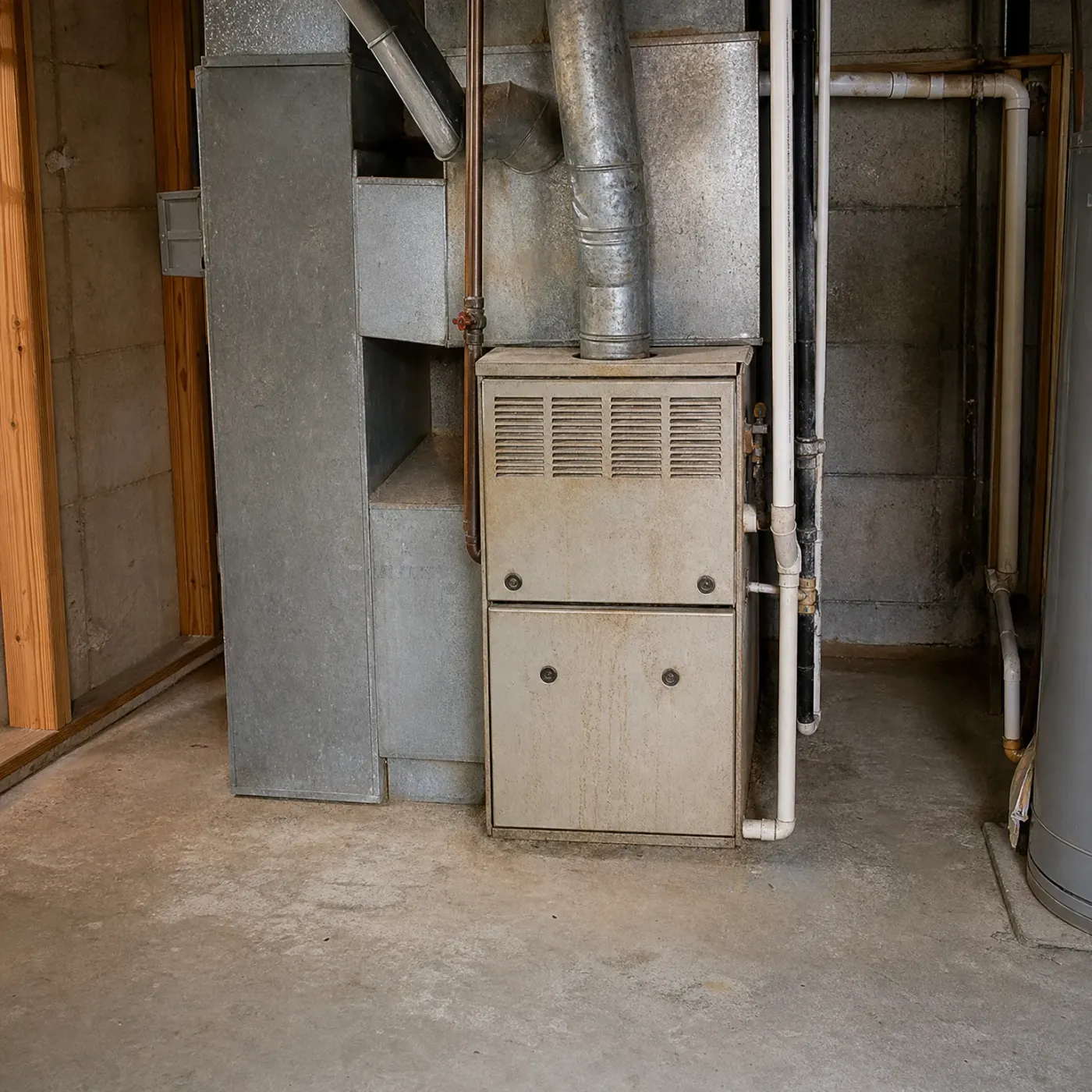
A beige residential furnace stands on a concrete basement floor beside galvanized sheet-metal ductwork, a round flue pipe, copper gas piping, and a PVC condensate line, with a wood-paneled wall at right.

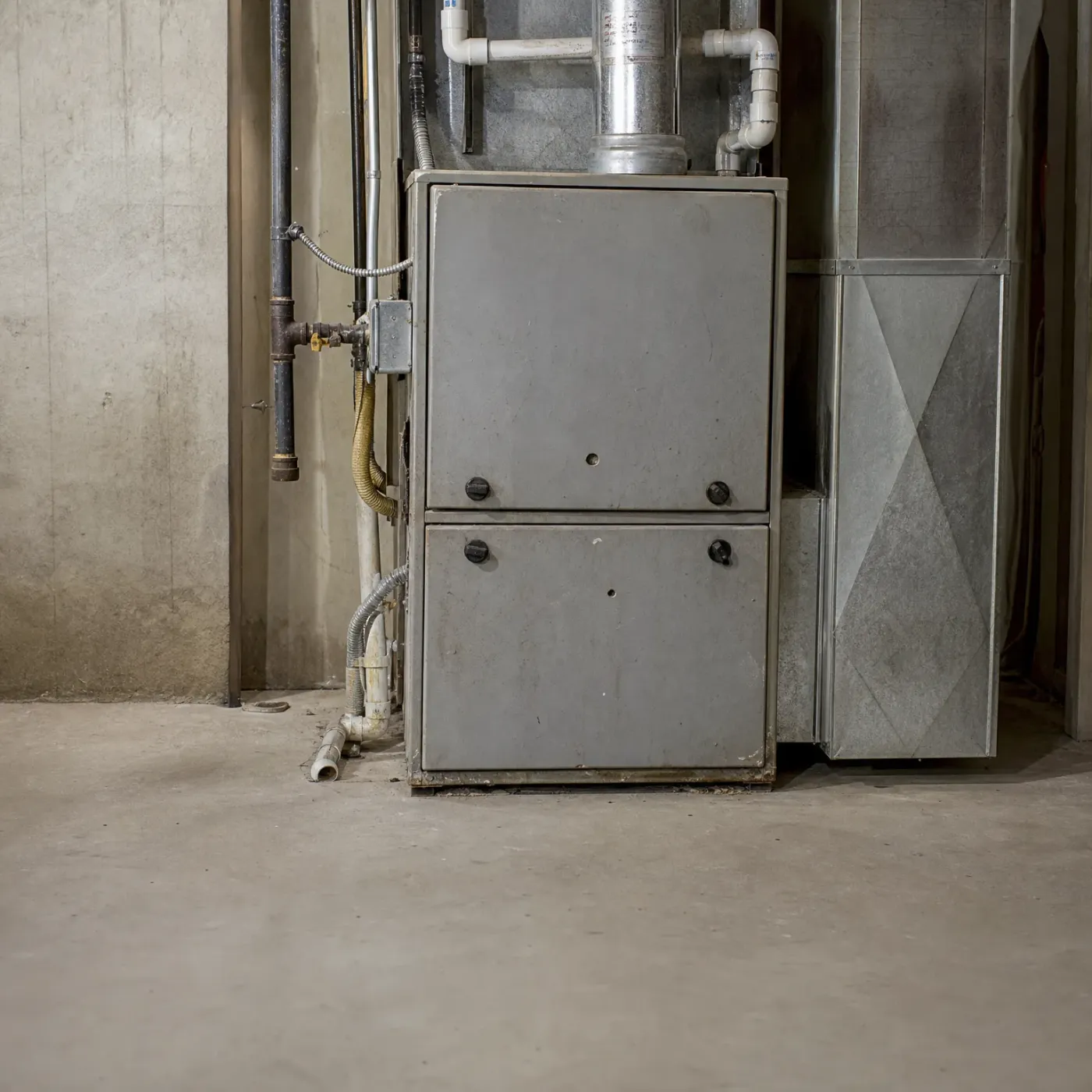
Showing its age

Grime on the cabinet and a flue pulling exhaust up through an old chimney tell you this unit has been working a long time. Copper and iron gas lines like these often mean the furnace predates the house's last few owners. Nothing here says it's failing today, but it's worth asking a contractor to look before next winter.

A woman in a cream knit sweater sits in an armchair with her eyes closed and a slight smile, beside an open window showing orange autumn foliage, with a mug, books and a lit candle on a small side table.
An older man with gray hair and a beard leans back on a beige sofa with his eyes closed, in a sunlit room with potted plants, a wicker chair and large windows behind him.

Get the right pro for your furnace

Send the form and the search for an installer is over.

It costs nothing to send, and you don't have to hire anyone.

How your furnace actually starts up

  • The igniter glows or sparks first, then the gas valve opens only after a flame sensor confirms it caught.
  • A flame sensor is a thin metal rod that reads the fire by the tiny electrical current it produces.
  • If that sensor goes bad or gets coated, the furnace shuts the gas off rather than let it run unchecked.
  • The inducer motor runs before the burner lights, clearing the heat exchanger of leftover gas so it can light safely.
  • A draft inducer that's failing often shows up as a furnace that tries to start but won't stay lit.
  • Thermostat calls for heat in stages, so a furnace may run on low fire most of the time and only kick to high fire in the coldest stretch.

A furnace doesn't just light up when the thermostat calls. It runs through a sequence, and each step has to check out before the next one happens. The inducer motor kicks on first, pulling any leftover gas out of the heat exchanger so the burner isn't lighting into a chamber that still has fumes in it. Once that's cleared, the igniter heats up or sparks, and the gas valve opens right behind it. But the flame has to prove itself. The flame sensor, a thin rod sitting in the burner's path, reads the fire by the small electrical current the flame itself generates passing through it. No current, no confirmed flame, and the control board cuts the gas back off rather than let it keep flowing unburned. That's why a furnace that fires and then shuts itself down a few seconds later is usually a sensor problem, not a gas problem. The rod gets a film of carbon on it over a season or two and stops reading the flame correctly. A failing inducer motor shows up differently. It sounds like the furnace trying to start, maybe clicking or humming, but never actually catching. Once the burner's going, most furnaces don't run flat out the whole time. The thermostat stages the call for heat, so the furnace sits on low fire for most of a run and only goes to high fire when it's working to catch up on a cold morning.

A woman with long gray hair wrapped in a checked blanket sits on a sofa by a window with yellow autumn foliage outside, with a lamp, framed picture and plant in the background.
An older woman in a cream knit sweater sits on a sofa by a window, looking out at sunlit trees with yellow and orange autumn leaves, with a bookshelf and lamp behind her.
A woman with gray shoulder-length hair in a dark knit sweater sits on a cushioned seat by a window, looking out at yellow autumn foliage, with a living room, armchair, houseplant and framed picture behind her.
An older woman with gray hair in a bun, wearing a cream knit sweater, sits on a sofa with a gray blanket and looks out a large window toward yellow-green autumn trees, with a lit table lamp and dark armchair behind her.
A gray high-efficiency furnace stands on a concrete basement floor beside galvanized sheet-metal ductwork, white PVC vent pipes, copper and black piping, and unfinished wood stud framing.

Working the way it's sized for

The ductwork above is tight, the condensate pipes drain clean, and the burner only fires as often as the house actually calls for heat. A furnace set up this way isn't straining on every cycle, so the heat exchanger ages slowly instead of fast. That's what gets a furnace into its twenties instead of its teens.

A gray furnace with two access panels stands on a concrete basement floor beside sheet-metal ductwork, with pipes, flexible conduit and an electrical box on the concrete wall to the left.

Carrying damage that compounds

Quarter-turn panels get left loose, gas and condensate lines sit under strain, and a furnace working against that doesn't cycle clean. Every flawed start adds wear the last one didn't undo. Left alone through an Indiana winter, that's what turns a furnace that should've lasted two decades into one that needs replacing years early.

A beige gas furnace with a metal flue pipe stands in a basement against concrete block walls, beside sheet-metal ductwork, copper and white plastic pipes, and a water heater at right.
Before you get your furnace installation
A gray high-efficiency furnace with white PVC vent pipes stands beside sheet-metal ductwork and a water heater in an unfinished basement with concrete walls and wood framing.
After you get your furnace installation

In an Indiana winter, a furnace that quits doesn't give you much notice. It usually happens on one of the coldest nights, right when the burner is cycling the most and the strain finally catches up with it.

A furnace near the end of its 15 to 20 years is worth having looked at before that night comes, not after. Once you send the request, finding someone to look at it is off your plate.

Winter nights average 22°F statewide

Nights in the 20s are normal here, and that's when your furnace runs longest and cycles most. A unit already worn is the one that struggles or quits on those nights, not on a mild one in October.

NOAA nClimDiv 1991-2020 county normals weighted by homes

A man seen from behind raises his hand to wave at a woman standing in the open front doorway of a single-story house with gray shingle siding, white columns and a gabled porch entry.

What this comes down to

Fifteen to twenty years is the real range for a gas furnace in Indiana, and where yours falls in it comes down to how it's been run and what shape the burner and heat exchanger are actually in. A furnace that's cycled evenly and never had to fight the ductwork has a real shot at the far end of that range. One that's short-cycled for years is working on borrowed time no matter what the calendar says.

If you're at the point where you're weighing another winter against getting it done now, that's worth sorting out before the cold sets in rather than after a burner fails on a night in the 20s. Answer a few questions about your furnace and your house, and a contractor who installs in your area will reach out to go over what your situation actually calls for. You don't have to track anyone down yourself.

A living room corner with a beige upholstered armchair holding navy and striped cushions, a small round wooden side table with a carved bowl and a potted green plant, a framed landscape picture on a pale wall, built-in shelving, and a curtained window.
A gas furnace with attached PVC and metal piping and sheet-metal ductwork stands on a concrete pad in a dim unfinished basement with concrete walls and exposed floor joists.

A pro who works on furnaces

Send the request and finding a pro stops being your problem.

Step 1 of 3: Equipment