Tell us about the job
Takes about a minute. No obligation.
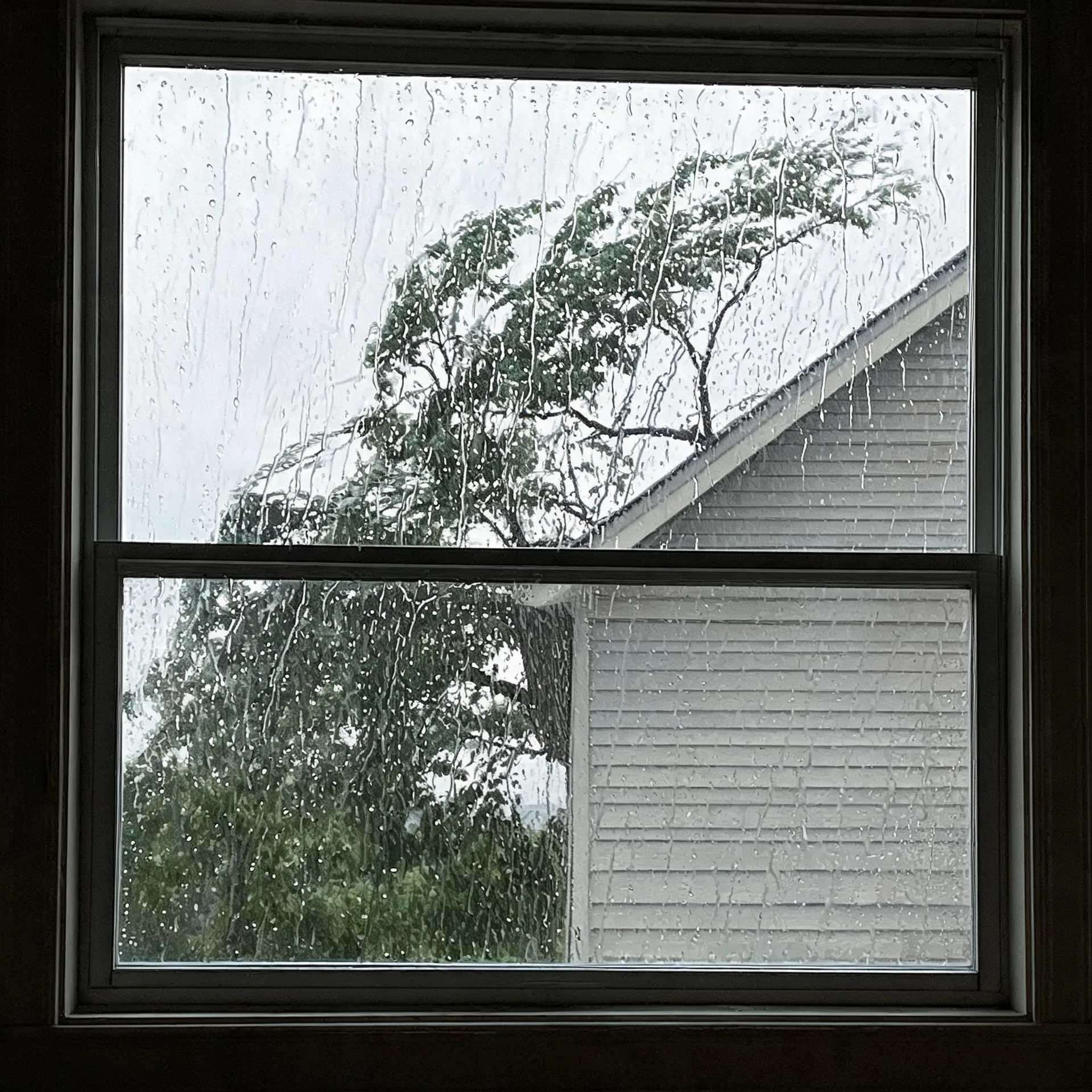
A furnace repair in this county starts with a question a contractor has to settle before they can price the job: how much of what they are looking at is wear from the weather, and how much is the system simply getting old. 62 severe weather events were recorded in Switzerland County, Indiana between 2015 and 2024. At that rate, storm load is a real variable in a furnace's life here, not a background detail a contractor can set aside. Heat exchangers, igniters, and pressure switches all carry that load differently, and a contractor who skips sorting one from the other hands the homeowner a quote built on guesswork.
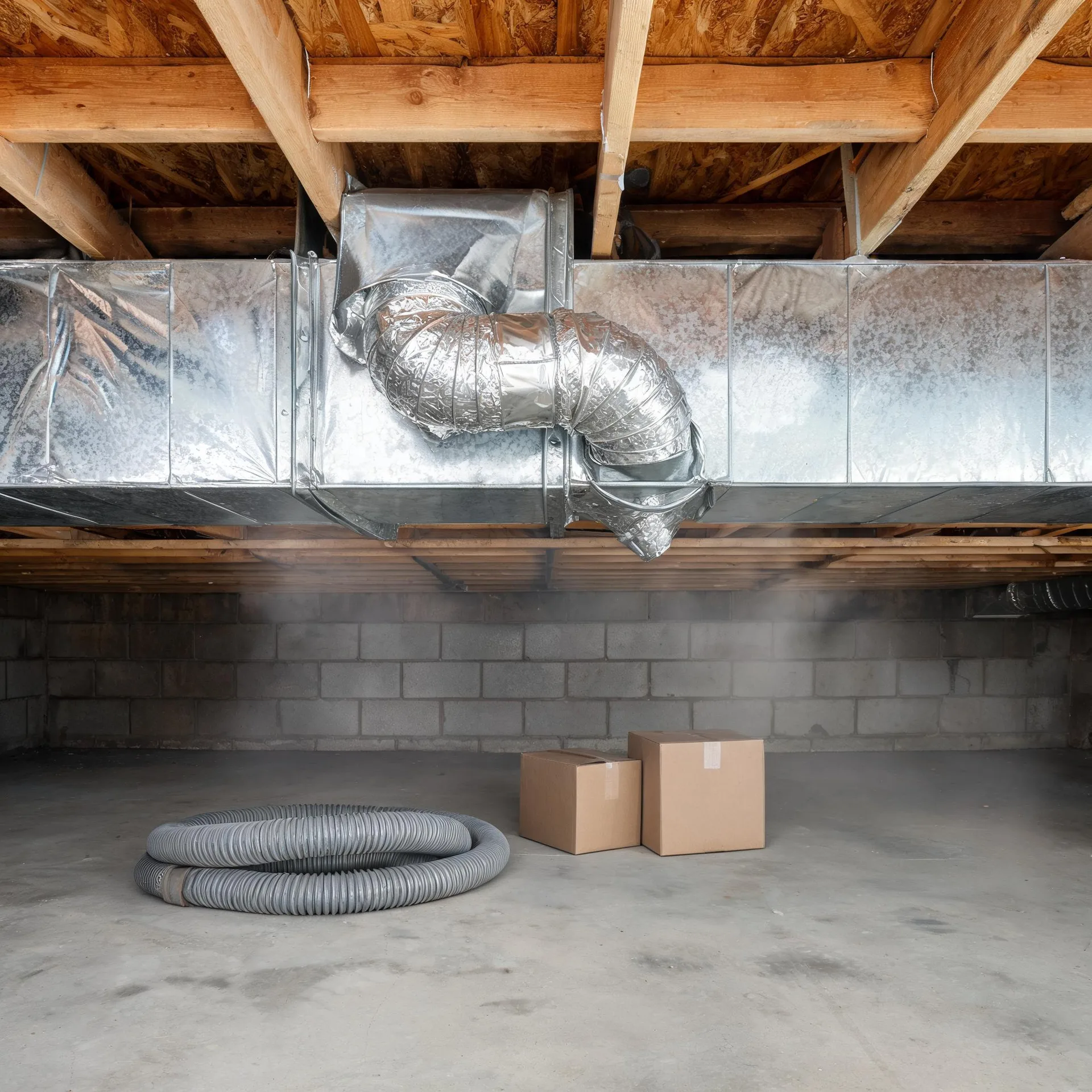
Half the homes in Switzerland County, Indiana were built in 1990 or earlier (2020-2024 ACS 5-year). A house built that long ago has been through at least one furnace already, sometimes two, which means what a contractor opens is not the original system and the building itself is unlikely to be what complicates the job. The question that shapes the repair is what that replacement system turns out to be once it is open: whether the heat exchanger, the control board, or the igniter it takes are parts a supplier still stocks, or whether the unit has aged past what the parts market supports. That answer comes from the serial plate and the opened cabinet, not from the permit year.
The Parts of a Furnace a Contractor Checks First
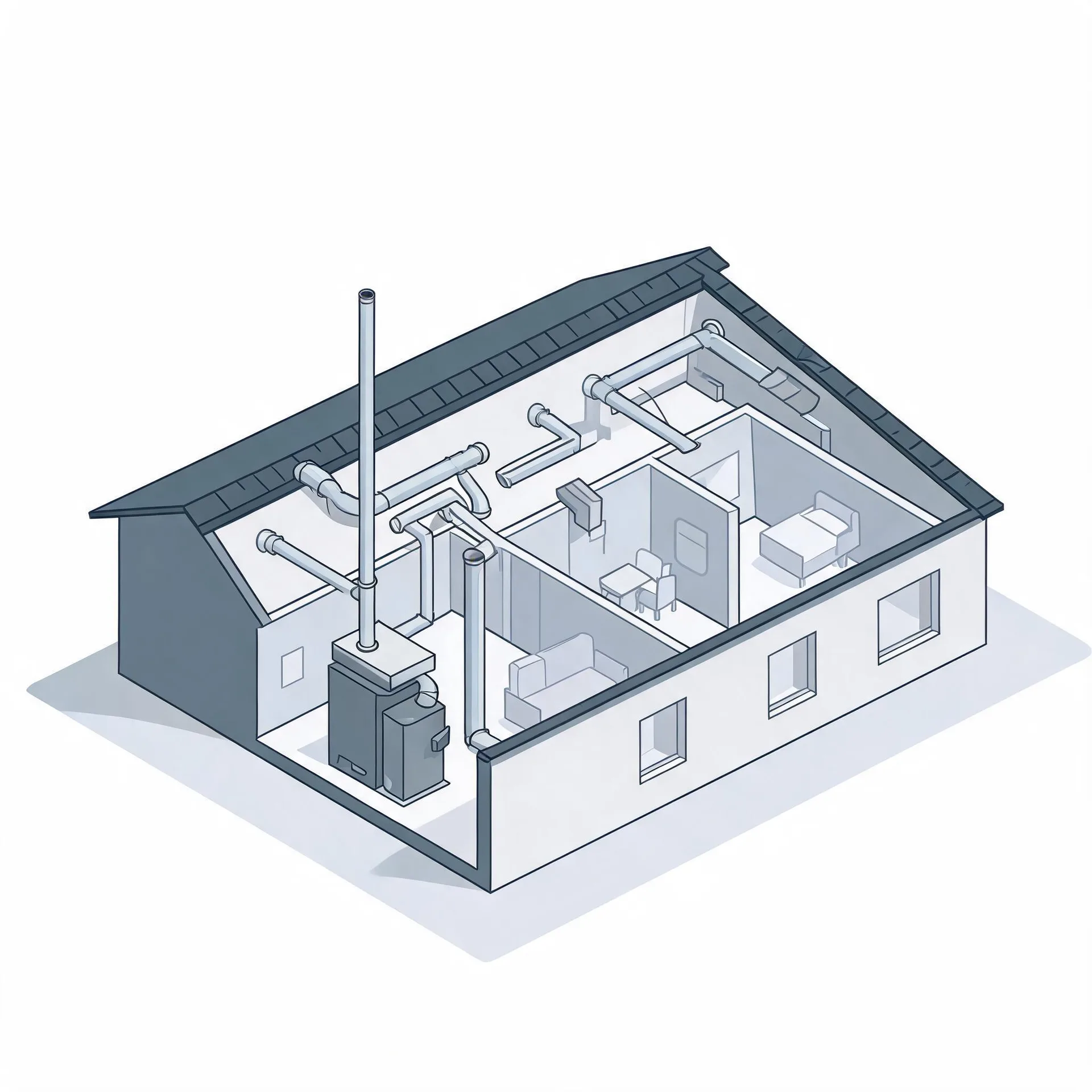
The furnace itself sits in a basement, utility room, or closet and is the heart of the system. Inside it, the heat exchanger is the piece a contractor reaches for first when something is wrong. Cracks or failures there mean combustion gases can enter the living space, so it draws immediate attention. The burners, which fire beneath the heat exchanger, are the next stop when heat output drops or ignition becomes unreliable.
The blower motor and its fan wheel sit at the base of the furnace cabinet and push conditioned air into the supply ducts. The flue pipe runs from the top of the unit through a wall or up through the house and vents combustion exhaust outside. The condensate drain, present on high-efficiency units, pulls moisture out of the exhaust process and can cause shutdowns when it clogs.
The drawing shows a representative layout, and a licensed contractor determines which components apply and what condition they are in for your specific home.
Find a contractor in Switzerland CountySwitzerland County, Indiana, by the numbers
62 severe weather events were recorded in Switzerland County, Indiana between 2015 and 2024.
NOAA National Centers for Environmental Information, Storm Events Database, bulk CSV export, events 2015-01-01 through 2024-12-31.Half the homes in Switzerland County, Indiana were built in 1990 or earlier (2020-2024 ACS 5-year).
U.S. Census Bureau, 2020-2024 American Community Survey 5-Year EstimatesSwitzerland County, Indiana holds 4,456 housing units (2020-2024 ACS 5-year).
U.S. Census Bureau, 2020-2024 American Community Survey 5-Year EstimatesOwners occupy 78.5% of the occupied homes in Switzerland County, Indiana (2020-2024 ACS 5-year).
U.S. Census Bureau, 2020-2024 American Community Survey 5-Year EstimatesCodes & Standards Covering Furnace Repair in Switzerland County, Indiana4 sourced rules and standards
What HVAC Repair Looks Like in Switzerland County
Non-weatherized gas furnaces manufactured on or after November 19, 2015 must reach 80.0 percent AFUE.
Non-weatherized oil-fired furnaces manufactured on or after November 19, 2015 must reach 83.0 percent AFUE.
Mobile home gas furnaces manufactured on or after November 19, 2015 must reach 80.0 percent AFUE.
Non-weatherized gas furnaces manufactured on or after December 18, 2028 must reach 95.0 percent AFUE, up from the 80.0 percent minimum that applies to units manufactured before that date.
Severe Weather Events in Switzerland County
Extreme weather puts real strain on furnace components, from heat exchangers to ignition systems, and the more a unit is pushed to keep up, the sooner parts wear out or fail. How hard that pressure runs depends on local conditions, which is why the weather record for this area is relevant to any conversation about furnace repair.
62 severe weather events, 2015–2024. Source: NOAA National Centers for Environmental Information, Storm Events Database.